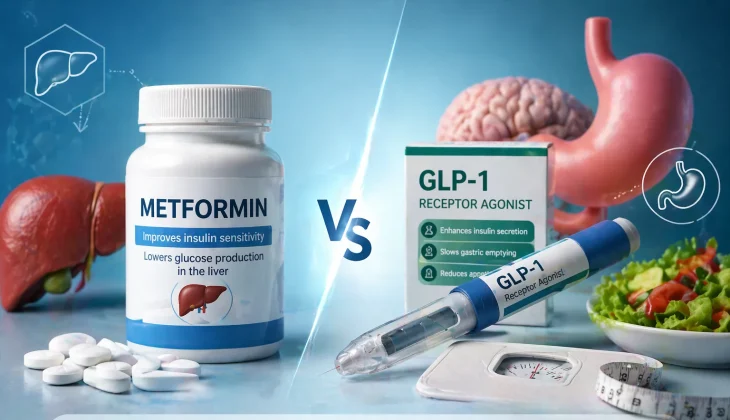
Diabetes management is a complex process, and understanding the medications available is crucial for both patients and healthcare providers. Among the most common treatments for type 2 diabetes are Metformin and GLP-1 agonists. Many people ask, “Is Metformin a GLP-1?” This article provides a detailed explanation, comparing the two, their mechanisms, benefits, and common questions patients have.
1. What is Metformin?
It is one of the most widely prescribed oral medications for type 2 diabetes. It belongs to a class of drugs called biguanides. It works primarily by reducing glucose production in the liver, increasing insulin sensitivity in muscle tissues, and slowing down glucose absorption from the intestines. Importantly, it does not directly stimulate insulin secretion, which reduces the risk of hypoglycemia, a common concern with many other diabetes medications.
Metformin has been a first-line therapy for decades because of its effectiveness, safety, and affordability. It has been studied extensively and is known to provide several benefits beyond lowering blood sugar:
- Cardiovascular Protection: Some studies suggest Metformin can reduce the risk of heart attacks and strokes in patients with type 2 diabetes.
- Weight Neutrality: Unlike many other diabetes medications, Metformin is generally weight-neutral and can even contribute to slight weight loss in some patients.
- Long-Term Safety: Decades of clinical use have confirmed Metformin’s safety when used appropriately.
Side Effects and Considerations
While generally well-tolerated, Metformin can cause mild gastrointestinal symptoms such as nausea, diarrhea, and bloating, particularly when starting therapy. These side effects often improve over time or with dose adjustments. Rarely, Metformin may lead to lactic acidosis, a serious condition, but this is extremely uncommon when used appropriately, especially in patients with normal kidney function.
2. What Are GLP-1 Medications?
GLP-1 (Glucagon-Like Peptide-1) agonists are a newer class of diabetes drugs. They mimic the incretin hormone GLP-1, which is naturally produced in the intestines and helps regulate blood sugar.
GLP-1 medications, or glucagon-like peptide-1 receptor agonists (GLP-1 RAs), are a class of drugs used primarily for the treatment of type 2 diabetes and, in some cases, chronic weight management. They work by mimicking the natural hormone GLP-1, which is involved in regulating blood sugar levels and appetite. By stimulating insulin secretion in response to meals, GLP-1 RAs help reduce postprandial glucose spikes while suppressing the release of glucagon, a hormone that raises blood sugar.
These medications also slow gastric emptying, promoting feelings of fullness and supporting weight loss, making them a valuable tool for patients with obesity or metabolic syndrome. Common GLP-1 RAs include semaglutide (Ozempic®, Wegovy®), liraglutide (Victoza®, Saxenda®), and dulaglutide (Trulicity®).
GLP-1 therapy is usually administered via subcutaneous injection once daily or weekly, depending on the specific medication. Clinical studies have demonstrated that these drugs not only improve glycemic control but also offer cardiovascular benefits and reduce the risk of diabetes-related complications. Adverse effects are generally mild and include gastrointestinal symptoms such as nausea or diarrhea, though these often subside over time.
For optimal results, GLP-1 medications are typically used in combination with lifestyle interventions such as diet and exercise. They represent a significant advancement in diabetes care, offering effective, long-term management for both blood sugar control and weight reduction.
GLP-1 agonists work by:
- Stimulating insulin secretion only when blood glucose levels are high, which reduces the risk of hypoglycemia.
- Reducing glucagon release, a hormone that raises blood sugar levels.
- Slowing gastric emptying, which helps reduce post-meal blood sugar spikes.
- Promoting satiety, which can help with weight management and reduce calorie intake.
Common GLP-1 medications include:
- Liraglutide
- Semaglutide
- Dulaglutide
GLP-1 agonists are usually prescribed when Metformin alone does not achieve target blood sugar levels. They are injectable, typically administered once daily or weekly, depending on the medication.
3. Mechanism of Action: Metformin vs GLP-1
Understanding how Metformin and GLP-1 agonists work is essential to grasp why they are not the same medication, even though both help manage blood sugar in type 2 diabetes.
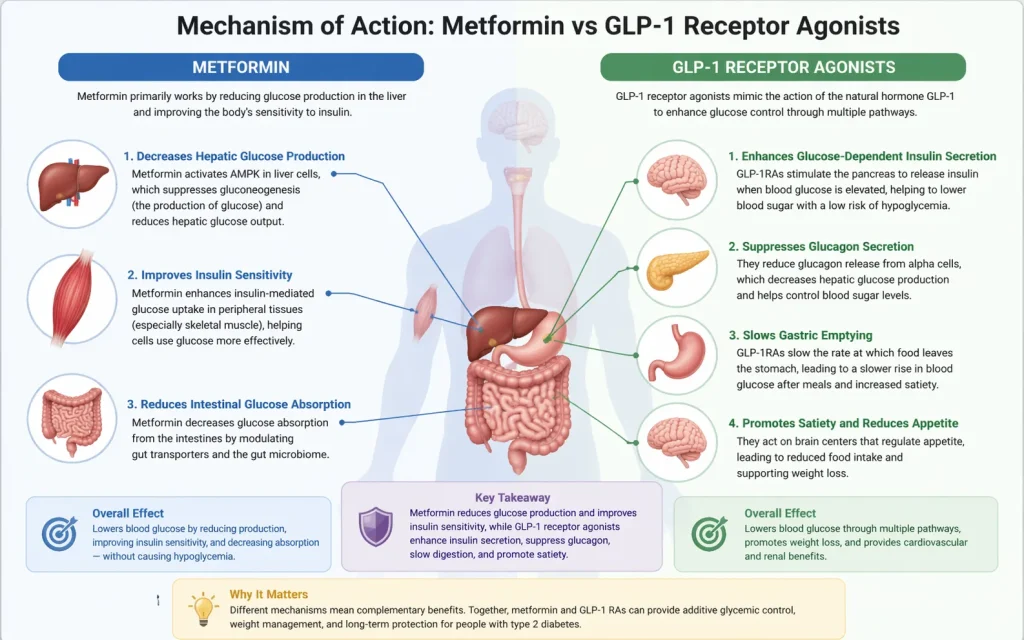
It works primarily by targeting the liver. It reduces hepatic glucose production, which is one of the main sources of excess blood sugar in type 2 diabetes. By improving insulin sensitivity in muscle and fat tissues, Metformin allows the body to utilize glucose more effectively, lowering both fasting and post-meal blood sugar levels. Additionally, Metformin slightly decreases the absorption of glucose from the intestines, which helps prevent sudden spikes after meals.
Importantly, Metformin does not stimulate insulin secretion directly, which is why it carries a lower risk of hypoglycemia compared to other oral medications such as sulfonylureas. Over time, Metformin may also improve lipid profiles and contribute to modest cardiovascular benefits.
GLP-1 agonists, on the other hand, mimic the incretin hormone GLP-1, which is naturally released from the intestines after eating. These medications enhance insulin secretion, but only when blood glucose levels are elevated, making them less likely to cause low blood sugar. GLP-1 agonists also suppress the release of glucagon, a hormone that raises blood sugar, thereby reducing glucose production in the liver after meals.
Another key mechanism is the slowing of gastric emptying, which delays the absorption of nutrients and prevents rapid spikes in postprandial blood sugar. Additionally, GLP-1 agonists act on the brain to promote satiety, which can help patients reduce calorie intake and support weight management—an effect not seen with Metformin.
The reason people often confuse Metformin with GLP-1 agonists is that both help control blood sugar. However, their mechanisms of action are very different.
- Metformin: Works mainly by improving insulin sensitivity and reducing glucose output by the liver. It does not mimic any hormones or stimulate insulin directly.
- GLP-1 Agonists: Mimic the natural GLP-1 hormone to increase insulin secretion, reduce glucagon, slow gastric emptying, and promote satiety.
Key Differences Between Metformin and GLP-1 Medications
| Stimulates insulin, reduces glucagon, and slows gastric emptying | Metformin (Biguanide) | GLP-1 Agonists |
| Mechanism of Action | Reduces liver glucose, improves insulin sensitivity | Stimulates insulin, reduces glucagon, slows gastric emptying |
| Risk of Hypoglycemia | Low | Low |
| Effect on Weight | Neutral or slight loss | Promotes weight loss |
| Administration | Oral | Injectable |
| Common Use | First-line therapy | Often second-line or add-on therapy |
| Cost | Low | Higher than Metformin |
This table helps highlight why these medications are not interchangeable, even though both are used to manage type 2 diabetes.
4. Combining Metformin and GLP-1 Medications
Combining it with a GLP-1 agonist can provide a highly effective approach to managing type 2 diabetes because the two medications work through complementary mechanisms. Metformin primarily reduces glucose production in the liver and improves insulin sensitivity in peripheral tissues, while GLP-1 agonists enhance glucose-dependent insulin secretion, reduce glucagon release, slow gastric emptying, and promote satiety. Using them together allows for more stable blood sugar control throughout the day, including both fasting and post-meal glucose levels.
This combination is particularly beneficial for patients who struggle to meet their glycemic targets with Metformin alone or who also want support with weight management. GLP-1 agonists can help curb appetite and reduce caloric intake, which complements Metformin’s weight-neutral effect. Clinical studies have shown that patients on combination therapy often achieve greater reductions in HbA1c, experience fewer blood sugar fluctuations, and have additional cardiovascular benefits compared to monotherapy.
While both medications are generally well-tolerated, patients should monitor for gastrointestinal side effects, such as nausea or mild diarrhea, which are more common with GLP-1 agonists. Overall, the synergy between Metformin and GLP-1 medications makes this combination a cornerstone in modern type 2 diabetes management, offering both improved glucose control and metabolic advantages.
Many patients benefit from taking Metformin and a GLP-1 agonist together. Combination therapy provides complementary benefits:
- Improved Blood Sugar Control: Metformin lowers liver glucose output, while GLP-1 agonists enhance insulin release and reduce post-meal glucose spikes.
- Weight Management: GLP-1 agonists promote satiety, which can complement Metformin’s weight-neutral effect.
- Cardiovascular Protection: Some GLP-1 drugs provide additional heart health benefits alongside Metformin.
Combination therapy is particularly useful for patients struggling to achieve target glucose levels with Metformin alone or those who want the added benefit of weight management.
5. Lifestyle Considerations With Diabetes Medications
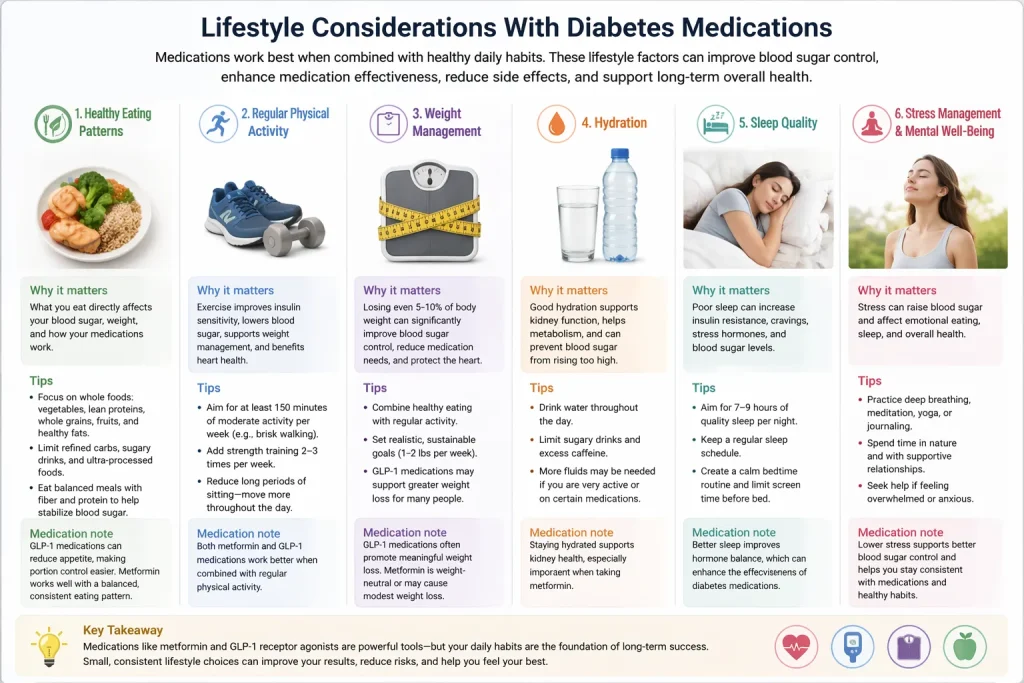
When managing diabetes with medications, lifestyle choices play a critical role in effectiveness and overall health. Diet is essential—balancing carbohydrates, proteins, and healthy fats helps maintain stable blood sugar levels. Regular physical activity improves insulin sensitivity and supports weight management, enhancing medication benefits.
Hydration and sleep are also important, as dehydration and poor rest can affect glucose control. Avoiding smoking and excessive alcohol intake reduces the risk of diabetes-related complications. Monitoring blood sugar regularly allows patients to adjust their lifestyle and medications appropriately.
Collaborating closely with healthcare providers ensures that exercise, diet, and medication schedules work together for optimal diabetes management. Adopting these lifestyle strategies alongside prescribed therapies promotes better long-term outcomes and improved quality of life.
While medications such as Metformin and GLP-1 agonists are critical for managing type 2 diabetes, lifestyle modifications remain an essential part of achieving long-term health outcomes. Diet plays a major role in controlling blood sugar levels. Patients are encouraged to focus on balanced meals that include complex carbohydrates, lean proteins, healthy fats, and plenty of fiber, which can slow glucose absorption and reduce spikes in blood sugar.
Regular physical activity is equally important. Exercise improves insulin sensitivity, enhances glucose uptake by muscle cells, and supports weight management. Even moderate activities such as brisk walking, swimming, or cycling for 30 minutes most days of the week can have meaningful effects on blood sugar control.
Weight management is another key factor. Losing even a modest amount of body weight can improve insulin sensitivity and reduce the risk of complications associated with diabetes. GLP-1 agonists can help by promoting satiety, which complements the effects of a healthy diet and regular exercise.
Additionally, patients should monitor blood sugar levels consistently. Tracking glucose trends helps determine the effectiveness of medications, guides dietary choices, and alerts patients to any potential complications early.
Overall, combining lifestyle strategies with pharmacologic therapy provides a holistic approach to diabetes management, helping patients achieve better blood sugar control, reduce the risk of complications, and improve overall quality of life.
While medications are crucial, lifestyle changes remain essential. Patients taking it, GLP-1 agonists, or both should focus on:
- Healthy Eating: Balanced meals with controlled carbohydrates to stabilize blood sugar.
- Regular Exercise: Helps improve insulin sensitivity and supports weight management.
- Weight Management: Even small reductions in weight can improve blood sugar control.
- Monitoring Blood Sugar: Regular checks help determine medication effectiveness and prevent complications.
6. When Metformin May Not Be Enough
Some patients may need additional therapy if Metformin alone does not control blood sugar adequately. Signs include persistent high blood sugar levels, difficulty managing weight, or the presence of cardiovascular or kidney risks. At this stage, healthcare providers may recommend adding a GLP-1 agonist, SGLT2 inhibitor, or insulin therapy.
Safety Considerations
Before starting any medication, patients should consider:
- Kidney Function: Metformin is contraindicated in severe kidney impairment.
- Gastrointestinal Tolerance: GLP-1 agonists may cause nausea or vomiting, particularly when first started.
- Administration Differences: GLP-1 medications are injectable, while Metformin is oral.
- Cost and Accessibility: GLP-1 agonists are more expensive than Metformin and may not be accessible to all patients.
Frequently Asked Questions (FAQs)
1. Is Metformin a GLP-1 medication?
No, it is not a GLP‑1 medication. Metformin is a biguanide that primarily works by reducing glucose production in the liver and improving insulin sensitivity. In contrast, GLP‑1 receptor agonists mimic the glucagon-like peptide-1 hormone to regulate appetite, slow gastric emptying, and enhance insulin secretion. While both are used to manage type 2 diabetes, their mechanisms and effects on the body are different.
2. Can Metformin and GLP-1 agonists be taken together?
Yes, metformin and GLP‑1 receptor agonists can be taken together and are often prescribed in combination for type 2 diabetes management. it lowers blood sugar by reducing liver glucose production and improving insulin sensitivity, while GLP‑1 agonists enhance insulin secretion, slow gastric emptying, and reduce appetite. Together, they provide complementary effects, improving blood sugar control and supporting weight management. However, a healthcare provider should adjust doses and monitor for potential side effects like gastrointestinal discomfort.
3. What is the main difference between Metformin and GLP-1 drugs?
The main difference between Metformin and GLP-1 drugs lies in their mechanisms and effects. Metformin is an oral biguanide that reduces liver glucose production and improves insulin sensitivity, without directly increasing insulin. GLP-1 agonists are injectable medications that mimic the incretin hormone to stimulate insulin secretion, reduce glucagon, slow gastric emptying, and promote satiety, often aiding weight loss. Essentially, Metformin mainly improves insulin efficiency, while GLP-1 drugs actively modulate hormone-driven blood sugar regulation.
4. What are the side effects of Metformin?
it is generally well-tolerated, but some patients may experience side effects, mostly mild and temporary. Common issues include gastrointestinal symptoms like nausea, diarrhea, bloating, or abdominal discomfort. Rarely, it can lead to vitamin B12 deficiency with long-term use. In extremely uncommon cases, especially in patients with kidney impairment, lactic acidosis may occur, which is a serious condition. Overall, Metformin’s safety profile is strong, making it a first-line therapy for type 2 diabetes.
5. Are GLP-1 medications safe for everyone?
GLP-1 medications are generally safe for most people with type 2 diabetes, but they are not suitable for everyone. They should be used cautiously or avoided in patients with a history of pancreatitis, severe gastrointestinal disorders, or certain kidney problems. Pregnant or breastfeeding women should consult their doctor before use. Overall, healthcare providers evaluate individual health conditions to ensure GLP-1 therapy is safe and appropriate.
6. Which medication is usually prescribed first?
It is usually prescribed first for type 2 diabetes. It is considered first-line therapy because it effectively lowers blood sugar, has a strong safety profile, is taken orally, and is cost-effective. GLP-1 agonists are typically added later if Metformin alone does not achieve blood sugar targets or if additional benefits like weight loss are needed.
7. Can Metformin help with weight loss?
It is generally weight-neutral, meaning it does not usually cause significant weight gain. In some patients, it may contribute to modest weight loss, especially when combined with a healthy diet and regular exercise. Its effect on weight is much smaller compared to GLP-1 agonists, which actively promote satiety and help reduce calorie intake.
8. How long does it take for Metformin to show results?
Metformin typically begins to lower blood sugar within 1 to 2 weeks of starting therapy, but the full effect may take several weeks to a few months. Maximum benefits on fasting glucose and HbA1c are usually seen after 2 to 3 months, especially when combined with lifestyle changes like diet and exercise.
7. Conclusion
In summary, Metformin is not a GLP-1 medication. It is a biguanide that primarily improves insulin sensitivity and reduces glucose production by the liver. In contrast, GLP-1 agonists mimic a natural hormone to stimulate insulin secretion, reduce glucagon, slow gastric emptying, and promote satiety.
Both medications play important roles in type 2 diabetes management, and they can be used together for complementary benefits, including improved blood sugar control, weight management, and cardiovascular protection.
Understanding the differences between Metformin and GLP-1 medications helps patients make informed decisions in collaboration with healthcare providers. While medications are essential, lifestyle factors such as a balanced diet, regular exercise, and weight management remain crucial for achieving optimal blood sugar control and overall health.
For anyone wondering, “Is Metformin a GLP-1?”, the answer is clear: no. However, it remains a cornerstone of effective and safe diabetes treatment for millions of patients worldwide.