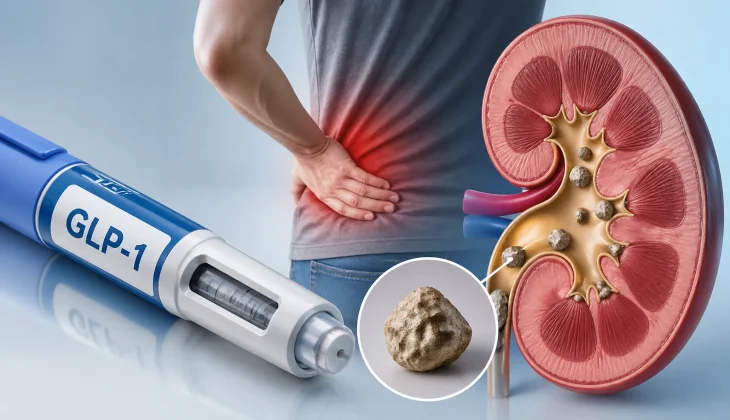
GLP-1 (Glucagon-Like Peptide-1) medications have become increasingly popular in managing type 2 diabetes and aiding weight loss. While their benefits are well-documented, patients and healthcare professionals have raised concerns regarding potential side effects, including kidney stones. In this guide, we’ll explore the connection, mechanisms, risks, and preventive strategies related to kidney stones and GLP-1 therapy.
Emerging research indicates that GLP-1 medications, while primarily targeting blood sugar control and weight loss, can indirectly influence kidney stone formation. By slowing gastric emptying and reducing appetite, these drugs may lead to lower fluid intake, which increases urine concentration and promotes crystallization of minerals such as calcium and oxalate.
Some studies have observed slight elevations in urinary calcium excretion in patients undergoing GLP-1 therapy, though the incidence of clinically significant stones remains low. Rapid weight loss associated with these medications can also raise uric acid levels, creating an environment conducive to uric acid stone formation.
Additionally, gastrointestinal side effects like nausea or vomiting can exacerbate dehydration, further increasing stone risk. Healthcare providers emphasize the importance of adequate hydration, regular monitoring of kidney function, and a balanced diet to mitigate these risks.
Overall, while GLP-1 therapy is generally safe for the kidneys, patients with a prior history of kidney stones should take preventive measures and maintain close medical supervision.
1. Understanding GLP-1 Medications
GLP-1 medications not only regulate blood sugar but also have cardiovascular benefits, including improved heart function and reduced risk of major cardiac events in people with type 2 diabetes. They support gradual, sustainable weight loss by enhancing satiety and reducing calorie intake.
Beyond glucose control, these drugs can improve insulin sensitivity and may help lower blood pressure. Recent studies also suggest potential neuroprotective effects, making GLP-1 agonists a multifaceted therapy option for metabolic health.
GLP-1 receptor agonists are a class of drugs designed to mimic the natural hormone GLP-1, which helps regulate blood sugar levels, slows gastric emptying, and promotes satiety. Common medications include:
- Semaglutide (Ozempic, Wegovy)
- Liraglutide (Victoza, Saxenda)
- Dulaglutide (Trulicity)
- Exenatide (Byetta, Bydureon)
These drugs are administered via injection and are increasingly prescribed due to their efficacy in weight management and glucose control.
How GLP-1 Works
GLP-1 medications work by:
- Stimulating insulin secretion in response to glucose
- Suppressing glucagon release
- Slowing gastric emptying to reduce appetite
- Supporting weight loss, which indirectly improves metabolic health
While effective, the medications can alter fluid balance and urinary excretion, which has implications for kidney health.
2. Kidney Stones: An Overview
Kidney stones are solid mineral deposits that form when certain substances in urine, such as calcium, oxalate, and uric acid, become concentrated and crystallize. They can vary in size, from tiny grains to larger stones that block the urinary tract, causing severe pain.
Factors like dehydration, high-sodium diets, obesity, and genetic predisposition increase the likelihood of stone formation. Although some stones pass on their own, larger stones may require medical intervention, including medication or surgical procedures.
Early detection and preventive measures are key to avoiding complications and recurrent episodes.
Kidney stones are hard mineral deposits that form in the kidneys. They develop when urine contains higher levels of certain substances, such as calcium, oxalate, or uric acid. Common symptoms include:
- Severe flank pain
- Blood in urine (hematuria)
- Nausea or vomiting
- Frequent urination or urgency
3. Types of Kidney Stones
Kidney stones can vary widely in composition, size, and formation mechanisms, making it important to understand the different types. Calcium oxalate stones are the most common and often form when urine is highly concentrated or when dietary oxalate intake is high. Uric acid stones develop in acidic urine and are more likely in people with gout or rapid weight loss.
Struvite stones are typically linked to urinary tract infections and can grow quickly, sometimes forming large staghorn-shaped stones. Cystine stones are rare and result from a hereditary disorder that causes excess cystine to leak into the urine. Each type of stone has unique risk factors, treatment options, and preventive strategies, highlighting the importance of proper diagnosis and management.
Understanding these differences can help patients and healthcare providers take proactive steps to reduce recurrence and maintain kidney health.
| Type | Description | Common Causes |
| Calcium Oxalate | Most common | High oxalate diet, low hydration |
| Uric Acid | Acidic urine, gout | High purine diet, dehydration |
| Struvite | Infection-related | Urinary tract infections |
| Cystine | Genetic | Rare inherited condition |
4. Can GLP-1 Medications Cause Kidney Stones?
While GLP-1 medications are primarily used to manage blood sugar and promote weight loss, research has suggested a potential indirect link to kidney stone formation. The drugs can cause reduced appetite, nausea, or vomiting, which may lead to dehydration—a key risk factor for stones.
Rapid weight loss associated with GLP-1 therapy can also elevate uric acid levels, increasing the likelihood of uric acid stone formation. Some studies indicate minor changes in urinary calcium or oxalate excretion, although these effects are generally modest. Overall, the risk remains low for most patients, but individuals with a history of kidney stones or other renal conditions should monitor hydration, follow dietary recommendations, and maintain regular check-ups with their healthcare provider to minimize potential risks.
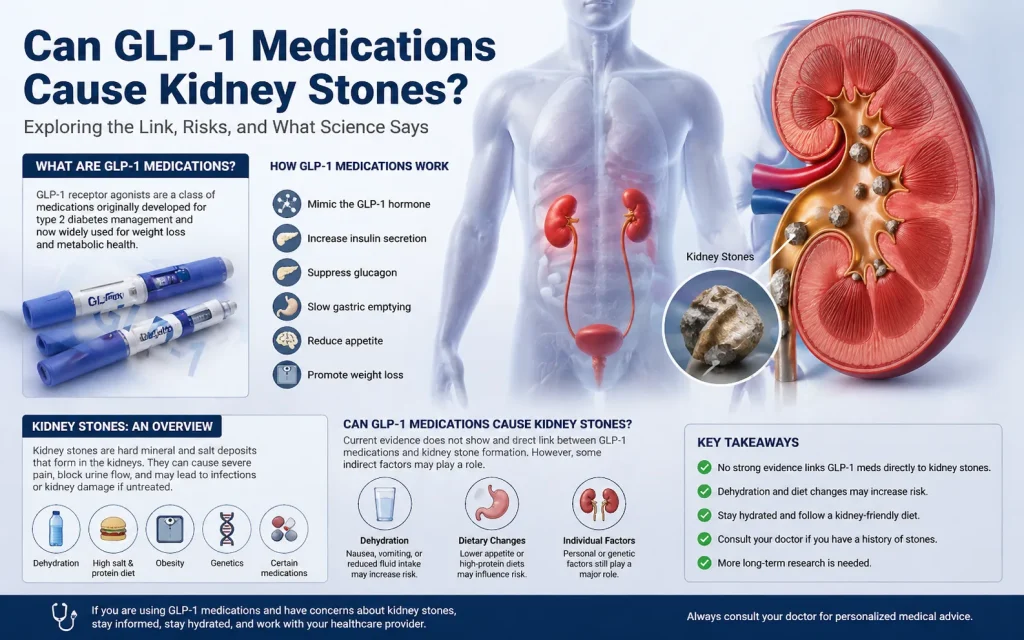
The connection between GLP-1 therapy and kidney stones is not fully established, but several mechanisms could contribute:
- Dehydration
- GLP-1 medications often cause nausea, vomiting, or reduced appetite, leading to lower fluid intake.
- Reduced urine volume increases the risk of stone formation.
- Altered Urinary Composition
- Some studies suggest GLP-1 therapy can influence calcium and oxalate excretion.
- This may slightly elevate the risk of calcium-based stones in susceptible individuals.
- Weight Loss Effects
- Rapid weight loss can increase uric acid levels, predisposing to uric acid stones.
Important: Most patients do not develop kidney stones while on GLP-1 medications, but those with a prior history or risk factors should monitor hydration and dietary intake closely.
5. Symptoms to Watch For
Patients on GLP-1 medications should be vigilant for symptoms that may indicate kidney stone formation. Common signs include sharp, intense pain in the back or sides that can radiate to the lower abdomen or groin. Blood in the urine, known as hematuria, is another key indicator. Increased frequency or urgency of urination, along with discomfort or burning sensations, may also occur.
Nausea and vomiting can accompany the pain, particularly if the stone obstructs the urinary tract. In some cases, fever or chills may develop if an infection is present. Early recognition of these symptoms is essential for prompt medical evaluation and treatment, helping to prevent complications such as kidney damage or severe urinary obstruction.
Patients on GLP-1 therapy should be aware of the early warning signs of kidney stones:
- Sharp pain in the back or side
- Pain radiating to the lower abdomen or groin
- Blood in urine
- Frequent or painful urination
- Persistent nausea or vomiting
Early detection is crucial to prevent complications such as obstruction or infection.
6. Risk Factors
Several factors can increase the likelihood of developing kidney stones while on GLP-1 therapy. A prior history of kidney stones is one of the strongest predictors. Inadequate hydration or chronic dehydration can concentrate minerals in the urine, promoting stone formation. Dietary habits, including high intake of oxalate-rich foods, excessive salt, or animal protein, also play a significant role.
Rapid weight loss, often associated with GLP-1 medications, can elevate uric acid levels and increase stone risk. Other contributing factors include obesity, metabolic syndrome, and certain genetic predispositions. Understanding these risk factors allows patients and healthcare providers to implement preventive strategies and closely monitor kidney health during treatment.
Individuals on GLP-1 therapy may be more susceptible if they have:
- History of kidney stones
- Dehydration or inadequate fluid intake
- High intake of oxalate-rich foods (spinach, nuts)
- Excessive protein or salt consumption
- Obesity or metabolic syndrome
7. Prevention Strategies
Preventing kidney stones while taking GLP-1 medications largely focuses on maintaining proper hydration, dietary management, and regular monitoring. Drinking at least 2–3 liters of water daily helps dilute urine and reduce mineral concentration. A balanced diet low in oxalate-rich foods, moderate in salt, and with controlled animal protein intake can further lower risk. Regular monitoring of kidney function and urinary parameters is recommended, especially for patients with a history of stones.
Managing gastrointestinal side effects, such as nausea or vomiting, ensures adequate fluid intake is maintained. In some cases, healthcare providers may recommend supplements like citrate or potassium to reduce stone formation. Additionally, gradual weight loss and lifestyle adjustments can help mitigate metabolic changes that contribute to stone risk. Consistent adherence to these strategies significantly decreases the likelihood of developing kidney stones during GLP-1 therapy.
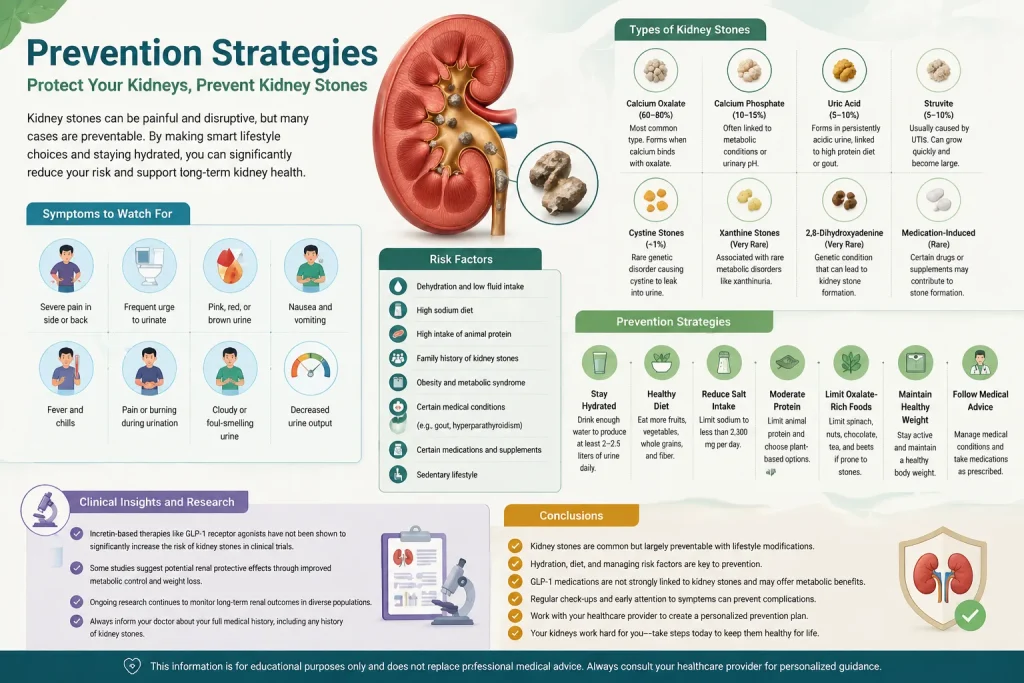
Preventing kidney stones while using GLP-1 medications involves lifestyle and dietary adjustments:
Hydration
- Drink at least 2–3 liters of water daily
- Monitor urine color: pale yellow is ideal
Diet
- Limit oxalate-rich foods if prone to calcium stones
- Moderate salt and animal protein intake
- Increase consumption of fruits and vegetables
Monitoring
- Regular urine and kidney function tests
- Track symptoms and report changes to your healthcare provider
Medication Adjustment
- Discuss dosage or alternative therapies if persistent dehydration or nausea occurs
8. Clinical Insights and Research
Recent clinical studies highlight that GLP-1 medications are generally safe for kidney function but may indirectly influence stone formation in susceptible individuals. Research shows that while minor changes in urinary calcium or oxalate excretion can occur, the overall incidence of clinically significant kidney stones remains low.
Rapid weight loss induced by GLP-1 therapy has been linked to higher uric acid levels, which can contribute to stone risk in certain patients. Gastrointestinal side effects, such as nausea or vomiting, may also exacerbate dehydration, further promoting stone formation. Long-term studies continue to monitor kidney outcomes, emphasizing the importance of regular medical check-ups, urine analysis, and hydration management.
Healthcare providers recommend individualized risk assessments, particularly for patients with a prior history of kidney stones or chronic kidney disease. Overall, current evidence suggests that with proper monitoring and preventive measures, GLP-1 therapy remains a safe and effective treatment for metabolic health.
Recent studies suggest:
- GLP-1 medications improve metabolic parameters significantly, but mild changes in kidney function or urine composition are possible.
- Risk of kidney stones remains low, but patients with prior stones or chronic kidney disease require closer monitoring.
- No direct causation has been confirmed; most side effects are indirect due to dehydration or rapid weight loss.
9. Table: GLP-1 Effects on Kidney Health
| Effect | Impact | Recommendation |
| Reduced appetite | Possible lower fluid intake | Ensure adequate hydration |
| Weight loss | Increased uric acid | Monitor uric acid levels |
| Gastrointestinal symptoms | Nausea/vomiting | Adjust dose, maintain hydration |
| Calcium excretion | Slight increase | Regular kidney monitoring |
Frequently Asked Questions (FAQs)
1. Are kidney stones common with GLP-1 therapy?
Kidney stones are rare but possible, particularly in patients with pre-existing risk factors.
2. Which GLP-1 medication is most likely to cause stones?
There’s no clear evidence favoring one drug; risks are related to dehydration and rapid weight loss rather than the specific medication.
3. Can I continue GLP-1 if I have a history of kidney stones?
Yes, with careful hydration, dietary adjustments, and monitoring under medical supervision.
4. How can I prevent kidney stones while on GLP-1?
Drink sufficient water, avoid high-oxalate foods, and maintain a balanced diet.
5. Do GLP-1 medications affect kidney function?
They are generally safe for the kidneys but may cause mild changes in urine composition.
6. Are there any signs that indicate a stone is forming?
Pain in the back or sides, blood in urine, frequent urination, or nausea.
7. Should I stop GLP-1 therapy if I develop a kidney stone?
Consult your healthcare provider; treatment adjustments may be necessary.
8. Is rapid weight loss a risk factor?
Yes, it can elevate uric acid, increasing the likelihood of uric acid stones.
9. Can dietary supplements reduce risk?
Citrate supplements or potassium-rich foods may help, but always consult a doctor before starting any supplement.
10. How often should kidney function be checked?
For patients at risk, every 3–6 months, or as advised by your healthcare provider.
Conclusion
In conclusion, GLP-1 medications provide significant benefits in managing type 2 diabetes, promoting weight loss, and supporting overall metabolic health. While the risk of kidney stones is generally low, certain factors such as dehydration, rapid weight loss, and a prior history of stones can increase susceptibility. Patients can minimize this risk through adequate hydration, a balanced diet, and regular kidney function monitoring.
Early recognition of symptoms, such as flank pain or blood in the urine, is crucial for timely intervention. Healthcare providers play a key role in assessing individual risk, adjusting therapy if needed, and providing preventive guidance. Overall, with careful management and lifestyle adjustments, GLP-1 therapy can be safely incorporated into treatment plans without significantly compromising kidney health.
By understanding the potential side effects and taking proactive steps, patients can safely benefit from GLP-1 therapy without compromising kidney health.