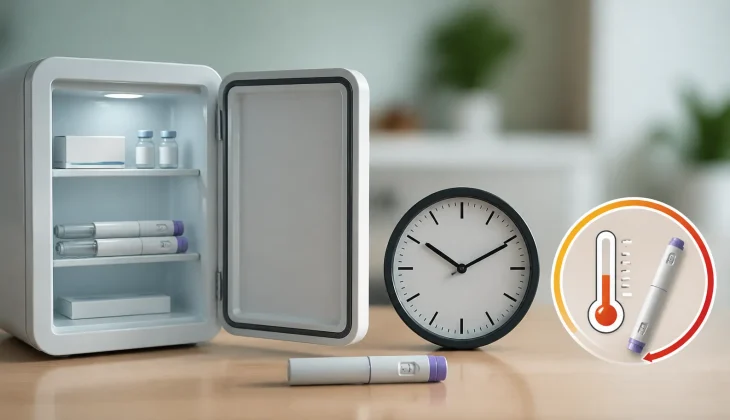
GLP-1 medications have become an essential treatment for type 2 diabetes and obesity. Proper storage is critical to maintain their effectiveness. In this article, we’ll explore how long GLP-1 medications can be kept at room temperature, best practices for storage, and tips for ensuring safety and efficacy.
GLP-1 receptor agonists, such as semaglutide and liraglutide, require proper storage to maintain their effectiveness. Most of these medications must be refrigerated at 36–46°F (2–8°C) before opening. Once in use, some formulations can be kept at room temperature for a limited period, usually ranging from 30 to 56 days, depending on the specific drug and manufacturer guidelines.
Exposing GLP-1 medications to heat or direct sunlight can reduce potency and increase the risk of treatment failure. Avoid freezing these injections, as extreme cold can also damage the medication. Always store pens or vials in their original packaging to protect from light.
Patients should check the expiration date and monitor the solution for discoloration or particles before each use. Following proper storage instructions ensures the medication remains safe and effective throughout the treatment period. For precise guidance, always refer to the manufacturer’s recommendations or consult a pharmacist.
GLP-1 medications are highly sensitive injectable treatments, and their effectiveness depends heavily on proper storage. While refrigeration is the standard for maintaining stability, many patients need guidance on safe room temperature use.
These medications can tolerate limited time outside the fridge, but exceeding recommended durations can lead to reduced potency and unpredictable blood sugar control. Factors such as ambient temperature, sunlight exposure, and humidity play a significant role in medication stability. Each GLP-1 drug has specific guidelines—for instance, some can remain at room temperature for a few weeks, while others are more sensitive.
It’s important to track the first-use date on the pen or vial and follow manufacturer instructions precisely. Improper storage not only diminishes effectiveness but can also increase healthcare costs due to wasted medication. For those who travel or have limited access to refrigeration, using insulated carriers or cool packs can help maintain safety.
Patients should always inspect the medication visually before use—any cloudiness, discoloration, or particulate matter is a clear sign it should not be administered. Consulting pharmacists or healthcare providers for storage advice can ensure both safety and optimal treatment outcomes.
1. What Is GLP-1?
GLP-1 (Glucagon-Like Peptide-1) is a naturally occurring hormone in the body that plays a key role in regulating blood sugar levels and appetite. It is secreted by the intestinal cells in response to food intake and helps stimulate insulin secretion while suppressing glucagon, a hormone that raises blood sugar.
GLP-1 also slows gastric emptying, promoting a feeling of fullness and reducing calorie intake, which can aid in weight management. Due to these properties, GLP-1 has become the basis for a class of medications called GLP-1 receptor agonists, used to treat type 2 diabetes and obesity.
These medications, such as semaglutide and liraglutide, mimic the effects of natural GLP-1 to improve glycemic control, reduce appetite, and support long-term metabolic health. Research shows that GLP-1 therapies can also provide cardiovascular benefits and reduce the risk of diabetes-related complications.
GLP-1 is a central component in modern diabetes and weight management strategies, offering patients a safe, effective, and targeted approach to improving overall health.
GLP-1 (Glucagon-Like Peptide-1) receptor agonists are injectable medications that help control blood sugar levels and reduce appetite. Common GLP-1 medications include semaglutide, liraglutide, and dulaglutide. They work by:
- Stimulating insulin secretion in response to high blood sugar.
- Slowing gastric emptying to increase satiety.
- Reducing glucagon secretion, which lowers glucose production in the liver.
Because they are proteins, GLP-1 medications are sensitive to temperature and light. Improper storage can reduce their potency, making them less effective.
GLP-1, or Glucagon-Like Peptide-1, is a hormone that helps regulate blood sugar levels and appetite. GLP-1 medications, often injectable, mimic this hormone to improve insulin response and slow digestion, keeping blood glucose more stable.
They are commonly prescribed for type 2 diabetes and weight management. By enhancing feelings of fullness, they can also support weight loss efforts. These medications work best when stored properly, as they are sensitive to temperature and light. Popular GLP-1 drugs include semaglutide, liraglutide, and dulaglutide.
Understanding how they function and how to store them safely ensures that patients get the maximum benefit from their treatment.
2. Why Proper Storage Is Important?
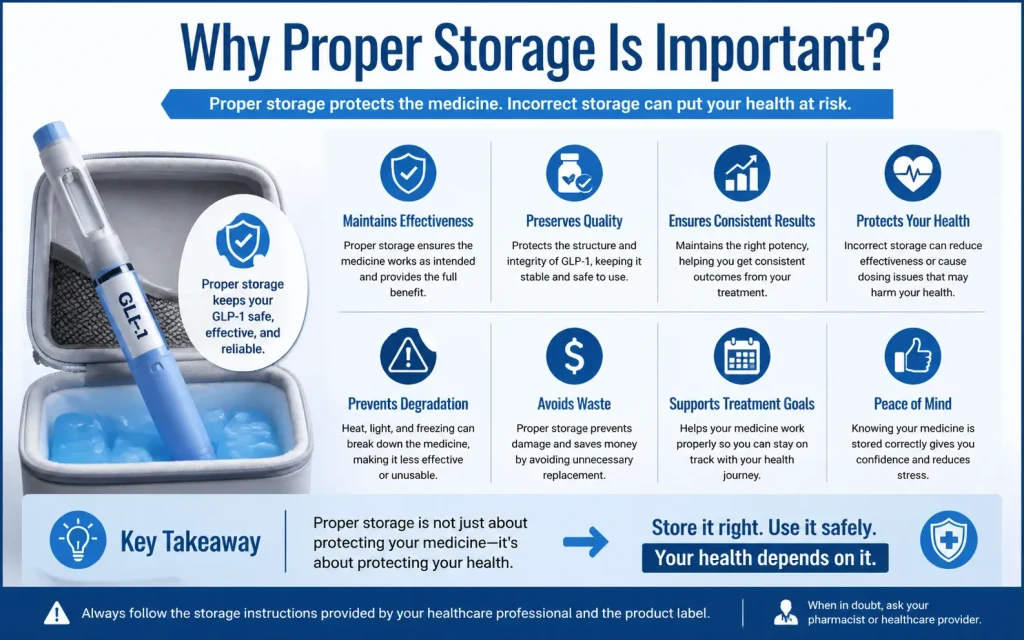
Proper storage of GLP-1 medications is critical to maintain their stability and effectiveness. These drugs are made of delicate proteins that can break down if exposed to heat, sunlight, or freezing temperatures.
Even short periods of improper storage can reduce potency, making the medication less effective at controlling blood sugar. Using a compromised dose may lead to unpredictable glucose levels and impact overall diabetes management. Safe storage also prevents wastage, saving both money and valuable medication.
This infographic shows why storing GLP-1 medications under the right temperature and light conditions is essential to keep them safe and effective.
For patients who travel or live in warmer climates, understanding room temperature limits is essential. Tracking the first-use date and monitoring the condition of the pen or vial ensures that doses are safe. Storing medications correctly protects their chemical integrity and helps maintain consistent treatment outcomes.
Consulting a pharmacist or healthcare provider for guidance further ensures safe and effective use. In short, proper storage is not just a recommendation—it is a crucial part of successful GLP-1 therapy.
The stability of GLP-1 medications is highly temperature-dependent. Exposure to high temperatures, freezing, or prolonged room temperature storage can degrade the drug, leading to:
- Reduced effectiveness in controlling blood sugar.
- Increased risk of side effects due to inconsistent dosing.
- Wastage of medication due to spoilage.
Even short-term exposure to the wrong conditions can compromise the medication.
3. Recommended Storage Conditions
GLP-1 medications should be stored carefully to preserve their effectiveness. Before first use, they must be kept in a refrigerator at 2–8°C (36–46°F). Once opened, some medications can safely remain at room temperature for a limited period, but this varies by drug.
Avoid placing pens or vials in direct sunlight, near heat sources, or in areas prone to temperature fluctuations. Do not freeze GLP-1 medications, as this can permanently damage them. It’s also important to keep the storage area clean and dry, away from moisture and contaminants.
Using an insulated bag or travel case can help maintain proper conditions when on the move. Always follow the manufacturer’s storage instructions for the specific GLP-1 product you are using to ensure optimal performance.
GLP-1 medications should ideally be stored as follows:
| Medication Type | Refrigeration | Room Temperature | Notes |
| Semaglutide (Ozempic®) | 2–8°C (36–46°F) | Up to 30°C (86°F) for 8 weeks | Keep away from sunlight |
| Liraglutide (Victoza®) | 2–8°C (36–46°F) | Up to 30°C (86°F) for 30 days | Avoid freezing |
| Dulaglutide (Trulicity®) | 2–8°C (36–46°F) | Up to 30°C (86°F) for 14 days | Do not shake vigorously |
| Tirzepatide (Mounjaro®) | 2–8°C (36–46°F) | Up to 30°C (86°F) for 21 days | Protect from light |
⚠️ Tip: Always check the manufacturer’s label. Some GLP-1 medications have slightly different guidelines.
4. How Long Can GLP-1 Be Out of the Fridge?
The amount of time a GLP-1 medication can safely stay out of the fridge depends on the specific drug and manufacturer guidelines. Most GLP-1 medications can tolerate room temperature, generally below 30°C (86°F), for a limited period after first use.
GLP-1 receptor agonists, such as semaglutide and liraglutide, require careful storage to maintain their effectiveness. Most GLP-1 medications must be kept refrigerated at 36–46°F (2–8°C) before use. Once opened or in use, many formulations can be safely stored at room temperature for a limited period, typically 30 to 56 days, depending on the specific drug and manufacturer’s instructions.
Exposure to heat, direct sunlight, or freezing temperatures can reduce potency and compromise the medication’s effectiveness. Always keep the pens or vials in their original packaging to protect them from light. Patients should check the expiration date and inspect the solution for discoloration or particles before each injection.
Following proper storage guidelines ensures that GLP-1 medications remain safe, effective, and reliable throughout the treatment period. For precise instructions, always refer to the manufacturer’s recommendations or consult a pharmacist.
For example, semaglutide may remain stable for up to eight weeks, liraglutide for around 30 days, and dulaglutide for about two weeks. Tirzepatide typically lasts up to three weeks at room temperature. Exceeding these time frames can reduce the medication’s effectiveness and compromise blood sugar control. Always track the first-use date and monitor the pen or vial for any visual changes, such as cloudiness or particles.
Avoid leaving the medication in hot cars, near windows, or in direct sunlight. For travel or extended use outside the fridge, insulated pouches or cooling packs can help maintain safe temperatures. Following these guidelines ensures that GLP-1 therapy remains both safe and effective for ongoing diabetes or weight management.
The duration depends on the specific medication:
- Semaglutide: Up to 8 weeks at room temperature after first use.
- Liraglutide: Up to 30 days outside the fridge.
- Dulaglutide: Up to 14 days at room temperature.
- Tirzepatide: Up to 21 days at room temperature.
Prolonged exposure to temperatures above 30°C (86°F) can damage the medication quickly.
Key points to remember:
- Do not freeze GLP-1 medications.
- Avoid direct sunlight.
- Keep away from heat sources like ovens, radiators, or car dashboards.
5. Tips for Safe Storage
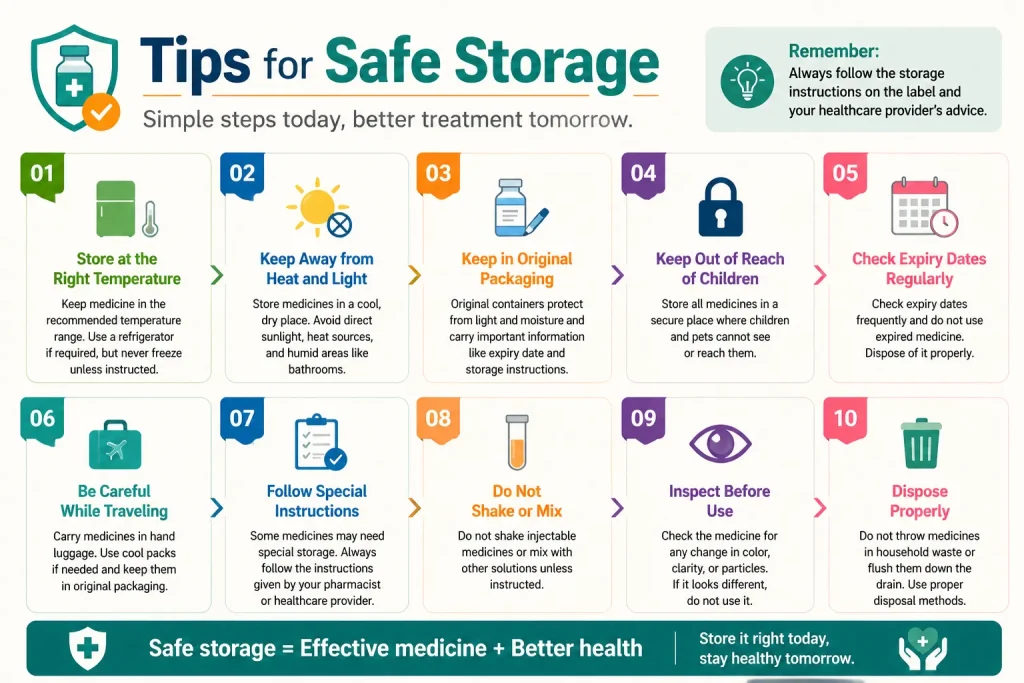
Proper storage of GLP-1 medications ensures that each dose remains effective and safe to use. Always keep unopened pens or vials in the refrigerator at 2–8°C (36–46°F) and avoid sudden temperature changes.
Once in use, track how long the medication has been at room temperature and follow the manufacturer’s recommended limits. Avoid placing the medication near heat sources, direct sunlight, or humid areas like bathrooms.
Use an insulated travel case or cooling pouch when carrying the medication outside the home. Handle pens gently—shaking or dropping them can damage the delicate proteins. Regularly inspect the medication for any cloudiness, discoloration, or particles before injection. Label pens with the first-use date to prevent accidental overuse.
Keeping GLP-1 medications properly stored not only maintains their potency but also ensures consistent blood sugar control and maximizes treatment outcomes.
Proper storage ensures your medication remains effective. Follow these professional tips:
- Use a dedicated medicine fridge: Avoid overcrowding and maintain consistent temperature.
- Monitor room temperature: If leaving the pen out, ensure it’s below 30°C (86°F).
- Mark dates: Write the first use date on the pen to track how long it’s been out of the fridge.
- Travel safely: Use insulated travel bags or cooling pouches.
- Check the medication: If cloudy, discolored, or has particles, do not use.
This infographic highlights 10 essential tips for safely storing GLP-1 medications, ensuring they remain effective, safe, and reliable for daily use.
6. Common Mistakes to Avoid
Many patients unintentionally reduce the effectiveness of GLP-1 medications due to common storage mistakes. Leaving pens or vials in hot cars, near windows, or close to radiators can quickly degrade the medication.
When using GLP-1 medications, avoiding common mistakes is key to ensuring safety and effectiveness. One frequent error is improper storage, such as leaving the medication out of the fridge for too long or exposing it to heat or sunlight. Another mistake is skipping doses or inconsistent timing, which can reduce the drug’s effectiveness and disrupt blood sugar control.
Some patients make the error of not following dietary guidance, assuming the medication alone will manage weight or blood sugar. Ignoring side effects like nausea or digestive discomfort without consulting a healthcare provider can also lead to complications.
Failing to monitor blood glucose regularly or not updating your healthcare provider on other medications and health changes are additional pitfalls. By following storage instructions, dosing schedules, lifestyle advice, and regular monitoring, patients can maximize the benefits of GLP-1 therapy while minimizing risks.
Some users forget to track the first-use date, which may lead to using the medication past its safe room temperature window. Storing the pen improperly—such as in damp areas or in direct sunlight—can also compromise stability. Shaking, dropping, or mishandling the pen may damage the delicate proteins inside. Freezing the medication, even accidentally, renders it unusable.
Another frequent error is assuming all GLP-1 drugs have the same room temperature limits; each product varies. Failing to inspect the pen for cloudiness, discoloration, or particles before use can put patients at risk. Avoiding these mistakes helps maintain potency, ensures safety, and supports consistent blood sugar control.
- Leaving GLP-1 pens in hot cars or near windows.
- Forgetting the first-use date, causing accidental overuse beyond safe room temperature limits.
- Shaking or dropping the pen can damage delicate proteins.
Frequently Asked Questions (FAQs)
1. Can GLP-1 be frozen?
No, freezing can permanently damage the medication.
2. What if my GLP-1 pen was left out for too long?
Check the manufacturer’s time limits. If exceeded, dispose of it safely.
3. Is it safe to travel with GLP-1?
Yes, but use an insulated travel bag and avoid direct heat.
4. Can GLP-1 lose effectiveness at room temperature?
Yes, prolonged exposure above recommended limits reduces potency.
5. How do I know if my medication is spoiled?
Cloudy appearance, discoloration, or particles indicate it should not be used.
6. Can I use GLP-1 after it expires?
No, expired medications may be ineffective or unsafe.
7. Do all GLP-1 medications have the same room temperature limits?
No, always check the label or consult your pharmacist.
8. Is refrigeration required before the first use?
Yes, keep all GLP-1 medications refrigerated until first use.
9. Can I store GLP-1 pens upright or sideways?
Most pens can be stored either way, but always check the instructions.
7. Storage Summary
Proper storage of GLP-1 medications is essential for maintaining their effectiveness and safety. Always store unopened pens or vials in a refrigerator at 2–8°C (36–46°F) before first use.
Once in use, most GLP-1 drugs can remain at room temperature for a limited period, typically ranging from two weeks to eight weeks, depending on the specific medication. Avoid exposing the medication to direct sunlight, heat sources, or fluctuating temperatures. Never freeze GLP-1 pens or vials, as this can permanently damage the medication.
Use insulated travel bags or cooling pouches when transporting the medication outside the home. Track the first-use date and regularly inspect for any cloudiness, discoloration, or particles. Following these simple guidelines ensures that GLP-1 therapy remains effective, safe, and reliable for ongoing diabetes or weight management.
- Refrigeration: Always 2–8°C (36–46°F) before first use.
- Room temperature: Typically safe for 2–8 weeks depending on the medication.
- Avoid: Heat, sunlight, freezing, and shaking.
Conclusion
Proper storage of GLP-1 medications is crucial for effectiveness and safety. By understanding room temperature limits, using a fridge correctly, and following manufacturer guidelines, patients can:
- Maintain medication potency.
- Reduce wastage and cost.
- Improve treatment outcomes.
Always monitor storage conditions and check the pen for any signs of spoilage before use. Proper care ensures your GLP-1 therapy works as intended and keeps you on track with your diabetes or weight management goals.
Proper storage of GLP-1 medications is crucial for ensuring their effectiveness, safety, and consistency in managing blood sugar and supporting weight management. By keeping pens and vials refrigerated before first use and adhering to room temperature limits after opening, patients can maintain the potency of their medication. Avoiding heat, sunlight, freezing, and mishandling further protects the drug’s integrity.
Tracking first-use dates, inspecting the medication before each dose, and using insulated travel solutions when necessary all contribute to safe and effective therapy. Following these storage practices not only prevents wastage and reduces healthcare costs but also supports better treatment outcomes. Ultimately, understanding and implementing proper storage habits empowers patients to get the full benefit of their GLP-1 therapy and maintain consistent health management.