GLP‑1 medications have surged in popularity for weight loss and diabetes management. But with this rise, many people are asking an important question.
There is currently no strong scientific evidence that GLP‑1 medications directly cause hair loss. Some people taking drugs like semaglutide, liraglutide, or tirzepatide have reported experiencing hair thinning, but most experts believe this is likely due to rapid weight loss, nutrient deficiencies, or stress on the body rather than the medication itself.
Rapid weight loss can trigger a condition called telogen effluvium, where hair temporarily enters a resting phase and sheds over a period of weeks to months. Additionally, changes in diet or metabolism during GLP‑1 therapy can reduce levels of essential nutrients such as protein, iron, zinc, and biotin, which are critical for hair growth. In most cases, this hair loss is temporary, and hair often regrows once the body stabilizes and nutrient intake is sufficient.
Anyone experiencing significant hair thinning should consult a healthcare provider to rule out other causes and receive guidance on maintaining healthy hair while continuing their GLP‑1 treatment.
1. What Are GLP‑1 Medications?
GLP‑1 stands for glucagon‑like peptide‑1, a hormone your body produces naturally after eating. GLP‑1 receptor agonists are medications that mimic this hormone.
Some widely prescribed GLP‑1 medications include:
- Semaglutide (Ozempic®, Wegovy®)
- Liraglutide (Victoza®)
- Dulaglutide (Trulicity®)
- Tirzepatide (Mounjaro®)
These drugs are mainly used for:
- Type 2 diabetes management
- Weight loss
- Improving cardiovascular outcomes
They work by:
- Slowing stomach emptying
- Reducing appetite
- Enhancing insulin release
- Lowering blood sugar levels
2. How Do GLP‑1 Drugs Work?
GLP‑1 drugs, or glucagon-like peptide-1 receptor agonists, work by mimicking the effects of a natural hormone called GLP‑1 that your body releases after eating. These medications target specific receptors in the gut and brain to help regulate blood sugar, reduce appetite, and support weight loss.
Here’s a breakdown of how they function:
- Appetite Suppression – GLP‑1 acts on the hypothalamus in the brain, which controls hunger signals, making you feel fuller for longer and reducing overall calorie intake.
- Improved Blood Sugar Control – These drugs stimulate the pancreas to release insulin in response to elevated blood glucose levels and suppress glucagon, a hormone that raises blood sugar. This dual action helps maintain stable glucose levels, particularly in people with type 2 diabetes.
- Slowed Gastric Emptying – GLP‑1 medications delay the movement of food from the stomach into the small intestine, which prolongs satiety and prevents sudden spikes in blood sugar.
- Weight Loss Support – By reducing hunger and controlling blood sugar, GLP‑1 drugs help people lose weight gradually, which can also improve metabolic health and reduce risks associated with obesity and diabetes.
Overall, GLP‑1 drugs work through a combination of neurological, hormonal, and digestive effects. While highly effective for weight and blood sugar management, these changes can also alter metabolism and nutrient absorption, which in rare cases may indirectly contribute to hair shedding.
However, changes in body chemistry can sometimes have unintended effects, including concerns about hair loss.
3. Reported Side Effects of GLP‑1
Like all medications, GLP‑1 drugs can cause side effects. The most common include:
| Side Effect | Likelihood | Notes |
| Nausea | Common | Usually temporary |
| Vomiting | Common | Often early in treatment |
| Diarrhea | Common | Dose‑related |
| Constipation | Common | May need fiber or liquids |
| Fatigue | Less common | Hard to quantify |
| Headache | Less common | May decrease over time |
| Hair loss | Rare & debated | Not well‑established |
Note: Hair loss isn’t officially recognized as a common or confirmed side effect in medication labels, but many patients report it anecdotally.
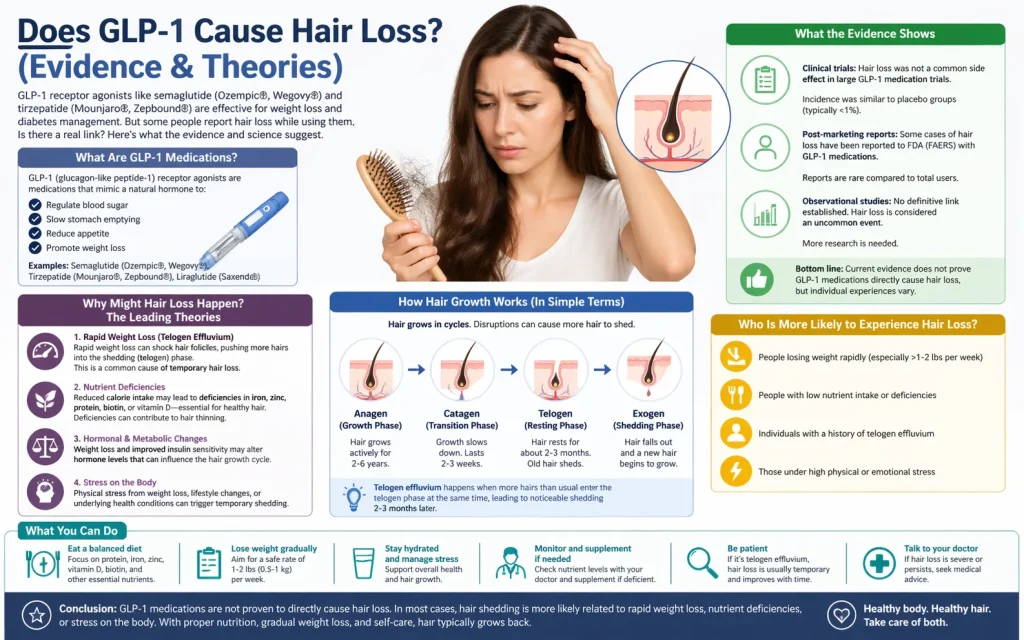
4. Does GLP‑1 Cause Hair Loss? (Evidence & Theories)
What Research Says
So far, clinical trials and official drug documentation do NOT list hair loss as a known side effect of GLP‑1 medications. That means:
There’s no strong scientific evidence directly proving GLP‑1 drugs cause hair loss.
However, several patient reports and forums share experiences of shedding during GLP‑1 treatment.
Possible Why This Might Happen
Although the link isn’t proven, experts consider several theories:
A. Rapid Weight Loss
GLP‑1 drugs can cause significant weight loss. Rapid weight loss itself is a known trigger for telogen effluvium—a temporary hair shedding condition.
How telogen effluvium works:
- Stress (physical or emotional) pushes hair follicles into a resting phase
- Hair falls out about 2–3 months later
- This is usually temporary
So, hair loss during GLP‑1 use might be due to the weight loss process, not the medication directly.
B. Nutrient Deficiencies
Losing weight quickly can also lead to:
- Lower protein intake
- Nutrient deficiencies (biotin, iron, zinc, vitamin D)
These nutrients are essential for hair growth.
C. Hormonal Changes
GLP‑1 drugs affect hormones related to appetite and digestion. While this isn’t directly linked to hair follicles, changes in metabolic state might influence hair cycles in some people.
5. Common Causes of Hair Loss (Unrelated to GLP‑1)
Hair loss can occur for many reasons that are unrelated to GLP‑1 medications. The most common cause is genetics, such as male or female pattern baldness, which is influenced by family history and hormonal sensitivity. Stress, whether physical or emotional, can also trigger temporary shedding, known as telogen effluvium, where hair follicles enter a resting phase prematurely.
Certain medical conditions, including thyroid disorders, autoimmune diseases, and scalp infections, may lead to hair thinning or patchy hair loss. Medications such as chemotherapy agents, blood thinners, or high-dose retinoids are also well-documented contributors. Hormonal changes during pregnancy, menopause, or hormonal therapy can affect hair cycles, leading to shedding.
Additionally, nutritional deficiencies, particularly in protein, iron, zinc, and vitamins like biotin and vitamin D, can weaken hair and slow regrowth. Finally, rapid weight loss or extreme dieting can trigger temporary hair loss as the body adjusts to metabolic and nutritional stress. Understanding these factors helps differentiate hair loss caused by underlying conditions from potential medication effects.
To understand whether your hair loss is related to GLP‑1, it helps to know other typical causes:
| Cause | Description |
| Genetics | Male/female pattern baldness |
| Stress | Physical or emotional |
| Illness | Thyroid, autoimmune diseases |
| Medications | Chemotherapy, steroids |
| Hormonal changes | Pregnancy, menopause |
| Poor nutrition | Lack of protein or vitamins |
| Rapid weight loss | Telogen effluvium |
This table can help you differentiate possible causes.
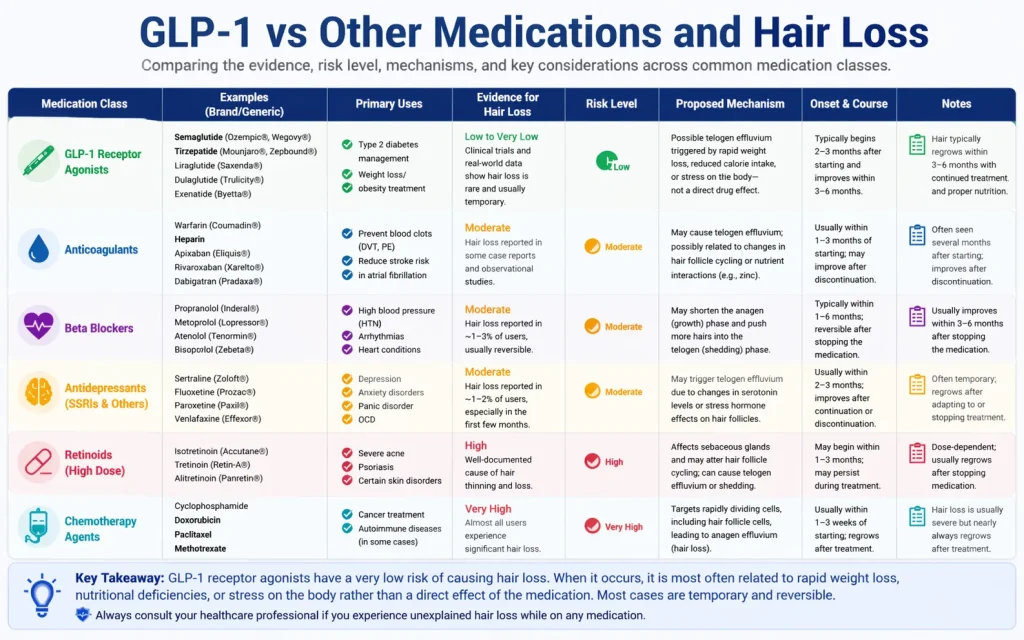
6. GLP‑1 vs Other Medications and Hair Loss
Some drugs are well‑known to cause hair loss:
- Chemotherapy agents
- Beta‑blockers
- Antidepressants
- Blood thinners
GLP‑1 medications, such as semaglutide, liraglutide, and tirzepatide, are increasingly prescribed for weight loss and type 2 diabetes management. One common concern among users is whether these drugs can cause hair loss. Compared to other medications known to affect hair growth, GLP‑1 receptor agonists are considered very low risk for hair shedding. Most reported cases are anecdotal and are usually linked to rapid weight loss, nutrient deficiencies, or stress on the body rather than the medication itself.
In contrast, several other drug classes have a more established link to hair loss. Chemotherapy agents like doxorubicin or cyclophosphamide are well-known to cause widespread hair thinning due to their effects on rapidly dividing cells. Beta-blockers and anticoagulants can lead to moderate, usually reversible, shedding in some users. Antidepressants and high-dose retinoids also carry a moderate to high risk of hair thinning, often dose-dependent and reversible upon discontinuation.
The key takeaway is that GLP‑1 medications have a much lower likelihood of causing hair loss compared to these other drugs. When shedding does occur with GLP‑1 therapy, it is generally temporary, resolving as the body adjusts to weight loss and nutrient intake stabilizes. Regular monitoring of hair health, maintaining balanced nutrition, and consulting healthcare providers for persistent or severe hair loss can help manage and prevent further thinning while continuing therapy.
7. How to Tell If GLP‑1 Is Causing Your Hair Loss
Determining whether GLP‑1 medications are contributing to hair loss requires careful observation and consideration of several factors. One of the first indicators is timing: hair shedding that begins within 1–3 months of starting a GLP‑1 drug or after a significant dose increase may suggest a connection. However, this alone is not conclusive, as hair loss can be delayed due to the hair growth cycle.
Another factor is pattern and type of hair loss. GLP‑1-related shedding is typically diffuse, meaning it affects the entire scalp rather than forming distinct bald patches, which are more characteristic of autoimmune conditions or alopecia areata. Rapid weight loss associated with GLP‑1 therapy is a common trigger for telogen effluvium, where hair temporarily enters a resting phase before falling out.
Nutritional status also plays a role. A decrease in essential nutrients—such as protein, iron, zinc, and biotin—can exacerbate shedding. Monitoring your diet and supplementing deficiencies, if necessary, can help reduce hair loss.
A hair pull test performed by a dermatologist can provide additional insights, showing whether hairs are shedding at a higher-than-normal rate. Laboratory tests can further rule out alternative causes, including thyroid dysfunction, iron deficiency, and hormonal imbalances.
Ultimately, isolating GLP‑1 as the sole cause of hair loss is challenging. It often involves considering a combination of timing, diet, stress, underlying medical conditions, and medication history. If you notice significant or prolonged hair shedding while on a GLP‑1 medication, consulting both your prescribing physician and a dermatologist is essential to accurately identify the cause and explore appropriate treatment options.
Here are some signs that your hair loss may be linked to GLP‑1 use:
Time Correlation
Weight Loss‑Related Shedding
Pattern
Hair Pull Test
Lab Tests
Bloodwork can rule out:
- Thyroid dysfunction
- Iron deficiency
- Hormonal imbalance
8. Prevention and Treatment Strategies
Even if the evidence is limited, there are steps you can take to protect hair health while using GLP‑1. Preventing and managing hair loss while taking GLP‑1 medications involves addressing nutritional, lifestyle, and hair care factors to support healthy hair growth. Although GLP‑1 drugs themselves are rarely the direct cause of hair shedding, rapid weight loss or metabolic changes can trigger temporary thinning.
1. Optimize Nutrition
Adequate intake of protein, iron, zinc, biotin, and vitamin D is essential for maintaining hair health. Protein-rich foods like eggs, fish, lean meats, and legumes support hair follicle strength, while iron and zinc help prevent shedding. If dietary intake is insufficient, supplements may be considered, but it is important to consult a healthcare provider before starting any supplementation.
2. Gradual Weight Loss
Rapid weight loss can precipitate telogen effluvium, a temporary shedding condition. Adopting a slower, steady weight loss plan helps reduce stress on hair follicles while maintaining the benefits of GLP‑1 therapy.
3. Gentle Hair Care
Minimizing mechanical and chemical stress can help prevent breakage. Recommendations include:
- Avoiding tight hairstyles that pull on hair
- Reducing the use of heat styling tools
- Using sulfate-free shampoos and mild conditioners
4. Stress Management
Chronic stress can exacerbate hair loss. Techniques like meditation, yoga, regular exercise, and adequate sleep support overall hair health and body recovery during weight loss.
5. Topical Treatments
For individuals experiencing notable thinning, products like minoxidil or natural oils (e.g., rosemary or castor oil) may help stimulate regrowth. These treatments should be discussed with a dermatologist to ensure safe and effective use.
6. Regular Monitoring
Keep track of hair shedding, weight changes, and nutritional intake. Regular check-ins with your healthcare provider allow for early intervention if hair loss becomes significant, and adjustments to GLP‑1 dosing or supportive treatments can be made if necessary.
By combining nutritional support, gentle hair care, stress management, and gradual weight loss, most individuals on GLP‑1 medications can minimize hair shedding and support healthy hair regrowth while continuing to benefit from the therapy.
9. When to See a Doctor
If your hair loss is:
- Rapid and noticeable within weeks
- Patchy or severe
- Accompanied by other symptoms (fatigue, weight changes, skin issues)
You should consult:
✔ A dermatologist
✔ Your prescribing doctor
Ask your doctor about labs that can reveal:
- Thyroid function
- Iron and ferritin
- Hormone levels
If the hair loss is linked to GLP‑1 medication, your doctor might adjust the dose or suggest alternatives.
Frequently Asked Questions (FAQs) About GLP‑1 and Hair Loss
1. Can GLP‑1 medications directly cause hair loss?
Currently, clinical studies do not confirm that GLP‑1 medications directly cause hair loss. Most reports are anecdotal. Hair shedding is more likely linked to rapid weight loss or nutrient deficiencies during GLP‑1 therapy.
However, every individual reacts differently, and some users may notice thinning hair while on medications like semaglutide or tirzepatide. If shedding occurs, monitoring timing and diet can help pinpoint the cause.
2. Why might hair loss happen after starting GLP‑1 therapy?
Hair loss during GLP‑1 treatment is usually associated with:
Telogen effluvium: a temporary hair shedding triggered by rapid weight loss or stress on the body.
Nutrient deficiencies: Rapid reduction in calorie intake can reduce levels of protein, iron, zinc, and biotin, all vital for hair growth.
Hormonal fluctuations: GLP‑1 drugs change metabolism and insulin regulation, indirectly affecting hair follicles in susceptible individuals.
The hair loss is typically diffuse, meaning overall thinning rather than patchy bald spots.
3. How long after starting GLP‑1 therapy does hair loss appear?
If hair shedding occurs, it usually manifests 2–3 months after starting treatment. This delay corresponds with the hair growth cycle, where hair enters a resting phase (telogen) before falling out.
The shedding can last for several weeks, but in most cases, hair regrowth occurs once the body adapts and nutritional balance is restored.
4. Is hair loss permanent while on GLP‑1 medications?
No. Hair loss linked to GLP‑1 medications or rapid weight loss is generally temporary. Once the body stabilizes:
Weight stabilizes
Nutritional intake improves
Stress levels normalize
…the hair usually regrows over 3–6 months. Permanent hair loss is rare and often linked to genetic factors rather than medication.
5. What steps can I take to prevent hair loss on GLP‑1 therapy?
To minimize the risk of hair thinning while using GLP‑1 drugs:
Maintain adequate protein intake – eggs, fish, legumes, dairy.
Ensure sufficient vitamins & minerals – iron, zinc, vitamin D, biotin.
Avoid extreme calorie restriction – aim for gradual weight loss.
Use gentle hair care – avoid tight hairstyles, harsh chemicals, and excessive heat.
Manage stress – meditation, sleep, and regular exercise can support hair health.
6. Can supplements help with hair loss on GLP‑1 drugs?
Yes, supplements may help if deficiencies exist, but it’s essential to get labs first. Recommended nutrients include:
Iron (especially ferritin levels)
Zinc
Biotin
Vitamin D
Over-supplementation can be harmful, so consultation with a healthcare provider is crucial before starting any supplement.
7. Should I stop GLP‑1 therapy if I experience hair loss?
Not automatically. Hair loss is often temporary and linked to weight changes, not the drug itself. Stopping GLP‑1 can halt weight loss benefits, so consult your doctor first. They may:
Adjust the dose
Recommend nutritional or lifestyle strategies
Refer you to a dermatologist for specialized hair care
8. When should I seek medical advice for hair loss while on GLP‑1?
Seek professional guidance if:
Hair loss is rapid, patchy, or severe
It is accompanied by fatigue, dizziness, or skin changes
Shedding continues beyond 6 months
Doctors may perform lab tests for:
Thyroid function
Iron and ferritin levels
Hormone panels
Early intervention can prevent further shedding and support faster hair regrowth.
Conclusion
While GLP‑1 medications like semaglutide and tirzepatide are highly effective for weight loss and blood sugar control, hair loss is a rare and mostly temporary side effect. Evidence suggests that hair shedding is more often due to rapid weight loss, nutritional deficiencies, or stress rather than the medication directly.
Key Takeaways:
- Hair loss is rare and usually temporary.
- Ensure adequate nutrition and gradual weight loss.
- Monitor hair health and consult a dermatologist or doctor if shedding is significant.
- Patience is essential: hair often regrows once the body adapts.
With careful management, most people can continue GLP‑1 therapy while maintaining healthy hair and enjoying its metabolic benefits.