
GLP-1 (Glucagon-Like Peptide-1) receptor agonists are a class of medications primarily used to manage type 2 diabetes and support weight loss. Popular drugs in this category include semaglutide, liraglutide, and exenatide.
While these medications have proven benefits for blood sugar control and appetite regulation, patients and healthcare providers have raised questions about potential psychological side effects, including anxiety.
GLP-1 medications have gained immense popularity not only for managing type 2 diabetes but also for supporting significant weight loss in patients struggling with obesity. While their effects on blood sugar and appetite are well-documented, research on their impact on mental health is still emerging.
Some patients have reported experiencing mood changes, nervousness, or anxiety after starting GLP-1 therapy, raising questions about whether these symptoms are a direct side effect of the medication or related to lifestyle and dietary adjustments. Understanding the potential psychological effects is crucial because anxiety, even if mild, can influence medication adherence, overall well-being, and quality of life.
Healthcare providers emphasize careful monitoring of mood changes and open communication between patients and clinicians to ensure safe and effective therapy.
This article explores whether GLP-1 medications can cause anxiety, what research says, possible mechanisms, and ways to manage these side effects. We’ll also provide FAQs and actionable tips for patients.
1. What Are GLP-1 Medications?
GLP-1 medications are a class of drugs that mimic the naturally occurring hormone glucagon-like peptide-1, which plays a key role in regulating blood sugar and appetite. By stimulating insulin secretion and slowing gastric emptying, these medications help maintain more stable glucose levels throughout the day. They are commonly prescribed for individuals with type 2 diabetes and those seeking medical support for weight management.
Beyond controlling blood sugar, GLP-1 therapies may also influence metabolic health, reduce cardiovascular risk, and improve overall energy balance. Their multifaceted benefits make them a significant advancement in the management of metabolic disorders, though attention to potential side effects, including mood changes, remains important.
GLP-1 is a naturally occurring hormone in the body that helps regulate glucose levels by:
- Stimulating insulin release after meals
- Inhibiting glucagon secretion (which raises blood sugar)
- Slowing gastric emptying, which helps you feel full
GLP-1 receptor agonists are synthetic versions that mimic the effects of the natural hormone. They are often prescribed for:
- Type 2 diabetes management
- Weight loss in obesity
- Metabolic syndrome support
Some widely known GLP-1 medications include:
- Ozempic
- Wegovy
- Victoza
These medications have demonstrated effectiveness in controlling blood sugar, reducing appetite, and aiding in long-term weight loss. However, like any medication, they are not without side effects.
2. Common Side Effects of GLP-1 Medications
While GLP-1 medications are generally well tolerated, they can cause side effects in some individuals, particularly when first starting therapy.
The most frequently reported issues involve the digestive system, such as nausea, bloating, or mild diarrhea, which often improve over time. Some patients may also notice changes in appetite, leading to reduced food intake and gradual weight loss.
Less commonly, individuals report headaches, fatigue, or subtle mood changes, including increased nervousness or irritability. Understanding and monitoring these potential effects can help patients adjust to the medication safely and maintain adherence to their treatment plan.
Some patients may also experience temporary dizziness or lightheadedness, especially when adjusting to the medication. Mild fatigue or low energy can occur in the early weeks as the body adapts to changes in appetite and metabolism. Occasionally, heartburn or bloating is reported, usually resolving with time or dietary adjustments.
Injection site reactions, such as redness, itching, or mild swelling, are possible with injectable forms of GLP-1 medications. Rarely, more serious complications like pancreatitis or gallbladder issues may occur, so it is important to seek medical attention if severe abdominal pain develops.
Patients are encouraged to stay hydrated, eat smaller meals, and gradually increase doses as recommended by their healthcare provider to minimize gastrointestinal discomfort. Regular follow-ups can help monitor side effects, adjust dosing, and ensure safety throughout therapy. Awareness of both common and rare effects allows for better adherence and a safer weight-loss experience with GLP-1 medications.
GLP-1 receptor agonists are generally well tolerated, but some users experience mild to moderate side effects. These include:
- Nausea and vomiting
- Diarrhea or constipation
- Decreased appetite
- Injection site reactions
- Mood changes (rare)
While gastrointestinal symptoms are the most frequently reported, emerging reports suggest possible psychological effects, including anxiety and mood swings.
3. Can GLP-1 Medications Cause Anxiety?
Some patients taking GLP-1 medications have reported experiencing anxiety, though it is considered an uncommon side effect. These drugs act on brain regions involved in appetite and stress regulation, which may subtly influence mood in certain individuals.
Physical side effects like nausea or digestive discomfort can also indirectly trigger feelings of nervousness or restlessness. Additionally, the lifestyle changes and rapid weight loss associated with GLP-1 therapy may contribute to emotional stress. Monitoring these symptoms and discussing them with a healthcare provider can help ensure safe and effective treatment.
The question of whether GLP-1 medications can induce anxiety is complex. Scientific literature is still limited, but a few factors may contribute:
1. Direct Neurochemical Effects
GLP-1 receptors are not only present in the pancreas but also in the brain, particularly in areas related to appetite, reward, and stress regulation. Some research suggests:
- GLP-1 can influence dopamine pathways, which affect mood and reward responses
- Changes in serotonin levels may indirectly trigger anxiety or nervousness in sensitive individuals
2. Physical Side Effects Leading to Anxiety
Many people experience gastrointestinal discomfort (nausea, vomiting, or bloating) when starting GLP-1 medications. Persistent physical symptoms can:
- Trigger stress responses
- Cause worry about health or medication tolerance
- Exacerbate underlying anxiety
3. Psychological Response to Rapid Weight Loss
GLP-1 medications can significantly reduce appetite and promote rapid weight loss. Some patients may feel:
- Pressure to maintain strict dietary habits
- Anxiety about body image changes
- Emotional stress from lifestyle adjustments
4. Interaction with Existing Mental Health Conditions
People with pre-existing anxiety or depression may be more sensitive to minor neurochemical changes induced by GLP-1 medications. While the risk is not universal, it warrants monitoring.
4. Signs You Might Be Experiencing Anxiety From GLP-1 Medication
While GLP-1 medications are generally safe, some individuals may notice changes in mood or increased feelings of anxiety. Common signs include restlessness, nervousness, or a constant feeling of tension. Patients may also experience racing thoughts, difficulty concentrating, or irritability.
Physical symptoms such as rapid heartbeat, sweating, or gastrointestinal discomfort can accompany emotional changes. Sleep disturbances, including difficulty falling or staying asleep, are also common indicators. Some people may notice heightened worry about daily tasks or medication effects, which can interfere with normal routines.
Tracking the timing of these symptoms relative to medication doses can help healthcare providers identify whether GLP-1 therapy is contributing to anxiety. Early recognition and proactive management allow for dose adjustments, lifestyle interventions, or professional counseling, ensuring both emotional and physical health are supported.
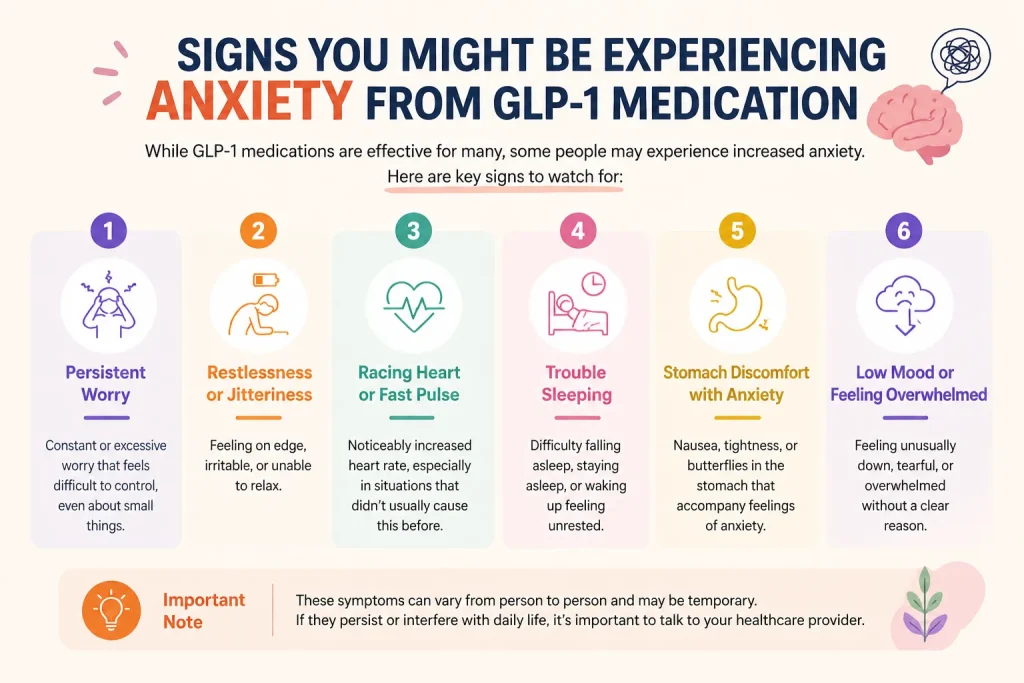
Anxiety linked to GLP-1 medications may show up in subtle but noticeable ways. Common signs include persistent worry, restlessness, or an unusually fast heartbeat, sometimes accompanied by difficulty sleeping.
Patients may also feel heightened irritability or tension, which can be triggered by ongoing gastrointestinal discomfort or changes in eating patterns. Recognizing these early warning signs is important, as it allows patients to seek guidance and adjust their treatment plan before anxiety affects daily life.
Keeping track of symptoms over time can provide valuable insights for both patients and healthcare providers.
Some common signs of medication-induced anxiety include:
- Persistent nervousness or worry
- Rapid heartbeat or palpitations
- Difficulty sleeping or insomnia
- Irritability or restlessness
- Gastrointestinal discomfort linked to stress
If these symptoms appear shortly after starting a GLP-1 medication, it’s essential to consult your healthcare provider.
5. How to Manage Anxiety While on GLP-1 Therapy
Managing anxiety while taking GLP-1 medications involves a combination of medical guidance and lifestyle strategies. Patients should communicate openly with their healthcare provider about any mood changes, as dose adjustments or alternative therapies may be needed.
Incorporating stress-reducing practices, such as mindfulness, meditation, or gentle exercise, can help alleviate nervousness. Maintaining a balanced diet and adequate sleep also supports emotional stability. Tracking symptoms in a journal can provide useful insights, helping both patients and doctors identify patterns and make informed decisions about ongoing treatment.
Practicing deep breathing exercises or progressive muscle relaxation can provide immediate relief during moments of anxiety. Engaging in hobbies or social activities helps distract from anxious thoughts and promotes emotional well-being. Limiting exposure to stressful situations when possible and setting realistic daily goals can also reduce feelings of overwhelm.
Patients may benefit from support groups or online communities where experiences with GLP-1 therapy are shared, providing reassurance and practical tips. Monitoring sleep hygiene, such as maintaining a consistent bedtime routine and reducing screen time before sleep, can further stabilize mood. Avoiding excessive alcohol or stimulants like caffeine can prevent exacerbation of anxiety symptoms.
If anxiety persists, mental health professionals can offer strategies such as CBT, mindfulness-based stress reduction, or relaxation training. Coordinating care between the primary healthcare provider, endocrinologist, and therapist ensures a holistic approach to managing both physical and emotional health during GLP-1 therapy.
While research is limited, several strategies may help manage anxiety potentially related to GLP-1 medications:
Medical Management
- Consult your doctor: Discuss symptoms openly; they may adjust the dose or suggest an alternative
- Medication review: Ensure no other drugs are contributing to anxiety
- Professional therapy: Cognitive-behavioral therapy (CBT) or counseling may help
Lifestyle Adjustments
- Mindfulness and meditation: Reduce stress and anxiety
- Regular exercise: Releases endorphins that improve mood
- Balanced diet: Avoiding caffeine and sugar spikes can stabilize mood
Tracking Symptoms
- Keep a daily symptom diary
- Note the timing of anxiety relative to medication doses
- Share records with your healthcare provider
6. Potential Benefits vs. Risks
GLP-1 medications offer several significant benefits, including weight loss, improved blood sugar control, and enhanced insulin sensitivity, making them valuable for patients with type 2 diabetes or obesity. They may also provide cardiovascular benefits, such as reduced blood pressure, improved cholesterol levels, and decreased inflammation.
However, these benefits must be weighed against potential risks. Common side effects include nausea, vomiting, diarrhea, constipation, and mild headaches, which often diminish over time. Rare but serious risks may include pancreatitis, gallbladder issues, or injection site reactions.
Patients may also experience temporary fatigue, dizziness, or mood changes, including anxiety in some cases. Careful monitoring, adherence to prescribed dosing, and open communication with healthcare providers help maximize benefits while minimizing risks.
Ultimately, the decision to use GLP-1 therapy should involve a thorough discussion of individual health status, medical history, and lifestyle factors to ensure safe and effective treatment.
GLP-1 medications offer significant benefits, including improved blood sugar control, appetite regulation, and support for long-term weight loss. They may also help reduce the risk of cardiovascular complications and improve overall metabolic health.
“The table below summarizes the potential benefits and risks of GLP-1 medications, providing a clear overview to help understand how these treatments may impact both physical health and emotional well-being.”
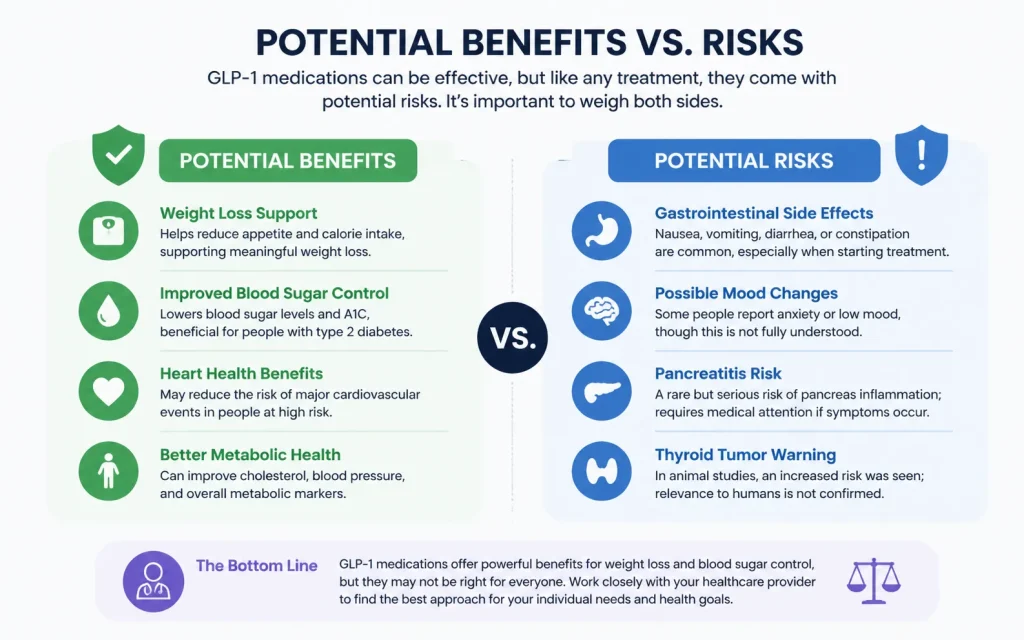
However, these advantages must be balanced against potential side effects, such as gastrointestinal discomfort, changes in mood, or rare injection site reactions. Patients with pre-existing anxiety or sensitive digestive systems may need closer monitoring.
Discussing both benefits and risks with a healthcare provider ensures that treatment is safe, effective, and tailored to individual needs.
While anxiety is a concern, it’s important to weigh it against the benefits of GLP-1 medications:
Benefits:
- Improved blood sugar control
- Weight loss support
- Reduced risk of cardiovascular complications
Potential Risks:
- Gastrointestinal discomfort
- Possible mood changes or anxiety
- Rare injection site reactions
Most patients tolerate GLP-1 therapy well, but vigilance for mood changes is key.
FAQs About GLP-1 and Anxiety
Q1: Can GLP-1 medications directly cause anxiety?
A: Anxiety is not a widely reported side effect of GLP-1 medications, but some patients may experience mood changes due to the drug’s effects on brain receptors involved in stress and appetite. Individual sensitivity and pre-existing mental health conditions can increase the likelihood of feeling nervous or restless. Monitoring your emotional response is key.
Q2: How soon might anxiety appear after starting GLP-1 therapy?
A: Mood changes, if they occur, typically appear within the first few weeks of starting or adjusting the dose. Symptoms may coincide with common side effects like nausea or changes in appetite. Early recognition allows patients to address the issue with their healthcare provider promptly.
Q3: Are certain people more prone to anxiety from GLP-1 medications?
A: Individuals with a history of anxiety, depression, or other mental health conditions may be more susceptible. Those sensitive to bodily changes, such as gastrointestinal discomfort or rapid weight loss, may also notice increased nervousness or restlessness.
Q4: Should I stop my medication if I feel anxious?
A: It is important not to stop GLP-1 therapy abruptly. Instead, speak with your healthcare provider, who can evaluate your symptoms, adjust your dose, or suggest alternatives if needed. Abrupt discontinuation may affect blood sugar control or weight management.
Q5: Can lifestyle changes help reduce anxiety while on GLP-1 medications?
A: Yes. Incorporating stress-relief techniques such as mindfulness, meditation, gentle exercise, and proper sleep can improve emotional stability. Eating balanced meals and avoiding excessive caffeine or sugar may also reduce nervousness.
Q6: Is anxiety from GLP-1 therapy permanent?
A: Anxiety related to GLP-1 therapy is usually temporary and may resolve as the body adjusts to the medication. Tracking symptoms and communicating with a healthcare provider ensures any persistent issues are addressed effectively.
Q7: Are there alternative medications if GLP-1 causes anxiety?
A: Depending on your condition, other options such as metformin, SGLT2 inhibitors, or lifestyle-based interventions may be considered. Your healthcare provider can help identify the most suitable alternative while maintaining blood sugar and weight management goals.
Expert Advice
Healthcare professionals recommend:
- Start with low doses: Gradual titration can reduce side effects
- Monitor mental health, especially in patients with a history of anxiety
- Open communication: Reporting any mood changes promptly ensures safety
7. Conclusion
GLP-1 medications are highly effective for managing type 2 diabetes and supporting weight loss, offering important benefits for metabolic and cardiovascular health.
While anxiety is not a common side effect, some patients may experience mood changes due to neurochemical effects, physical discomfort, or lifestyle adjustments. Close monitoring, open communication with healthcare providers, and adopting stress-reducing habits can help manage these symptoms.
Understanding both the advantages and potential risks ensures that patients can continue therapy safely while maintaining overall mental and physical well-being.
GLP-1 medications offer significant benefits for diabetes management and weight loss, but like all medications, they come with potential side effects. Anxiety is not a common side effect, yet it may occur in sensitive individuals or those with pre-existing mental health conditions.
Key takeaways:
- GLP-1 receptor agonists may influence brain chemistry and indirectly contribute to anxiety
- Gastrointestinal side effects and rapid lifestyle changes can exacerbate stress
- Monitoring, professional guidance, and lifestyle strategies are crucial
- Never stop medication without consulting a healthcare provider
Patients should weigh the benefits of GLP-1 therapy against potential risks and maintain open communication with healthcare providers. Awareness, early detection, and proactive management can help patients continue treatment safely while maintaining mental well-being.