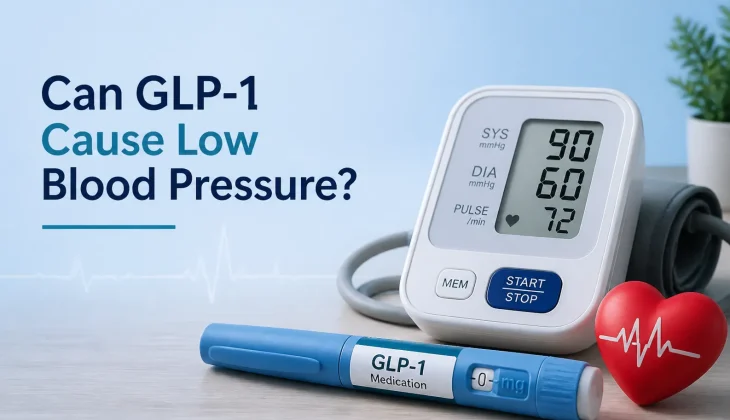
GLP-1 medications (Glucagon-Like Peptide-1 receptor agonists) are widely prescribed for managing type 2 diabetes and obesity. While they are generally safe, many patients and healthcare providers often ask: “Can GLP-1 cause low blood pressure?” This article dives deep into the connection between GLP-1 and blood pressure, exploring scientific evidence, risk factors, and practical precautions.
GLP-1 medications have gained popularity not only for controlling blood sugar but also for supporting weight loss and heart health. Many patients wonder whether these drugs could influence their blood pressure, particularly if they are prone to hypotension. Understanding this connection is important for both safety and optimal treatment outcomes.
Research suggests that GLP-1 may have a modest blood pressure-lowering effect, which can be beneficial for people with hypertension. However, for those with naturally low blood pressure, even small reductions can cause symptoms like dizziness or fatigue. GLP-1 works by slowing gastric emptying and improving insulin response, which can indirectly affect cardiovascular function.
While severe drops in blood pressure are uncommon, individuals with multiple medications or pre-existing conditions should monitor their readings closely. Doctors often recommend regular BP checks, especially in the first few weeks of starting GLP-1 therapy. Lifestyle factors, including hydration and gradual position changes, can also help maintain stable blood pressure.
Understanding the mechanisms and risks associated with GLP-1 is crucial for making informed decisions about diabetes and weight management therapy. With proper monitoring, most patients can safely benefit from these medications without experiencing significant hypotension.
1. What is GLP-1?
GLP-1, or Glucagon-Like Peptide-1, is a hormone produced naturally in the intestines in response to food intake. It plays a key role in regulating blood sugar by stimulating insulin release and suppressing glucagon, a hormone that raises blood sugar. Beyond glucose control, GLP-1 slows gastric emptying, which helps increase feelings of fullness and reduce appetite.
Medications that mimic GLP-1, known as GLP-1 receptor agonists, are designed to harness these effects for people with type 2 diabetes and obesity. Common examples include semaglutide, liraglutide, and dulaglutide. These drugs not only help manage blood sugar but can also promote weight loss and improve cardiovascular health.
GLP-1 affects multiple organs, including the pancreas, brain, and stomach, creating a balanced metabolic response. Its influence on the cardiovascular system may also modestly lower blood pressure in some patients. Overall, GLP-1 therapies provide a multifaceted approach to improving metabolic and heart health.
GLP-1 is a hormone naturally produced in the gut that stimulates insulin release after eating, slows gastric emptying, and helps regulate appetite. Medications mimicking GLP-1, such as semaglutide and liraglutide, are used to:
- Control blood sugar levels in type 2 diabetes
- Promote weight loss in obesity
- Improve cardiovascular outcomes in high-risk patients
By influencing metabolic pathways, GLP-1 medications may have indirect effects on cardiovascular parameters, including blood pressure.
2. How Blood Pressure Works?
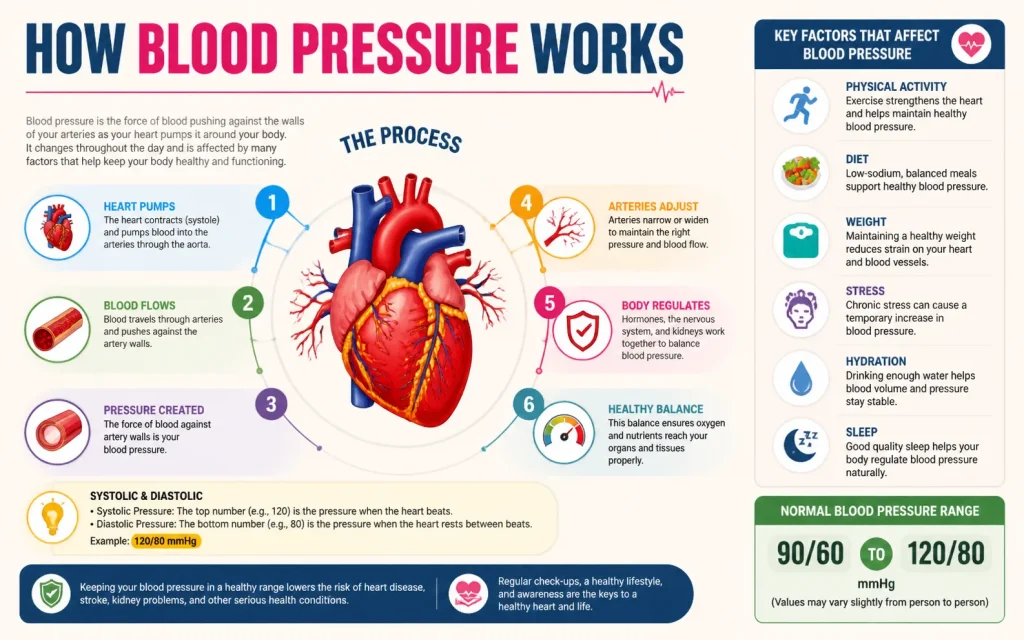
Blood pressure is the force exerted by circulating blood on the walls of the arteries, and it is essential for delivering oxygen and nutrients to the body’s organs and tissues. It is measured as two values: systolic pressure, the force when the heart beats, and diastolic pressure, the force when the heart rests between beats. A healthy blood pressure ensures that organs function properly and reduces the risk of cardiovascular complications.
Various factors influence blood pressure, including heart rate, blood vessel elasticity, blood volume, and the balance of hormones that regulate fluid and salt levels. Lifestyle factors such as diet, physical activity, stress, and hydration also play a significant role. High blood pressure, or hypertension, can strain the heart and arteries, increasing the risk of heart attack, stroke, and kidney disease. Conversely, low blood pressure, or hypotension, can reduce blood flow to vital organs, leading to dizziness, fainting, and in severe cases, shock.
The body maintains blood pressure through complex feedback mechanisms involving the nervous system, kidneys, and endocrine system. Any disruption in this balance, whether from illness, medication, or hormonal changes, can result in abnormal blood pressure levels. Monitoring and understanding blood pressure is crucial for maintaining overall health, especially in people taking medications that may affect cardiovascular function.
Blood pressure (BP) is the force of blood pushing against the walls of arteries. It is measured in systolic (pressure during heartbeats) and diastolic (pressure between heartbeats) values. Normal BP ranges:
| Type | Systolic (mmHg) | Diastolic (mmHg) |
| Normal | <120 | <80 |
| Elevated | 120–129 | <80 |
| Hypertension Stage 1 | 130–139 | 80–89 |
| Hypertension Stage 2 | ≥140 | ≥90 |
| Hypotension (Low BP) | <90 | <60 |
Low blood pressure, or hypotension, can lead to dizziness, fainting, and in severe cases, organ damage.
This image visually explains how blood pressure works, showing the heart, arteries, and the factors that regulate BP.
3. Can GLP-1 Cause Low Blood Pressure?
GLP-1 medications are generally considered safe, but they can influence blood pressure in subtle ways. Clinical studies show that most patients experience only a mild reduction in systolic blood pressure, typically between 2 and 5 mmHg. This effect is often beneficial for those with elevated blood pressure, but it may be more noticeable in individuals who already have low BP.
The exact mechanism is not fully understood, but GLP-1’s ability to improve vascular function, promote weight loss, and reduce fluid retention likely contributes to these changes. Direct hypotensive effects are uncommon but may occur in sensitive individuals or those on multiple blood pressure medications. Monitoring blood pressure during the first few weeks of therapy helps ensure safety.
In rare cases, a significant drop in blood pressure can lead to dizziness, fainting, or fatigue. Patients should communicate any unusual symptoms to their healthcare provider immediately. With proper guidance and monitoring, GLP-1 medications remain a safe and effective option for managing diabetes and obesity.
Clinical research shows that GLP-1 medications can have modest effects on blood pressure. Key points include:
- Mild BP reduction: Some studies report an average systolic BP drop of 2–5 mmHg.
- Mechanism: GLP-1 may promote weight loss, improve vascular function, and reduce fluid retention, indirectly lowering BP.
- Direct hypotensive effects: Rare, mostly in sensitive individuals or those on multiple antihypertensives.
Important: For most patients, the effect is mild and usually beneficial for those with elevated blood pressure.
4. Who is at Risk of Low Blood Pressure?
While most people tolerate GLP-1 medications well, certain individuals may be more susceptible to low blood pressure. Older adults, in particular, are at higher risk because blood vessels naturally become less elastic with age, and the body may struggle to maintain stable pressure. Patients already taking antihypertensive medications, such as diuretics, ACE inhibitors, or beta-blockers, are also more prone to hypotension when starting GLP-1 therapy.
Those with pre-existing low blood pressure or dehydration can experience more pronounced effects, as their cardiovascular system has less buffer to accommodate additional changes. People with autonomic neuropathy, commonly seen in long-term diabetes, may have impaired blood pressure regulation and feel symptoms like dizziness or fainting more acutely.
Lifestyle factors, including sudden posture changes, prolonged fasting, or intense exercise, can further increase the risk of BP drops in sensitive individuals. It is crucial for high-risk patients to monitor their blood pressure regularly and communicate any unusual symptoms to their healthcare provider. With careful observation and preventive measures, the risk can often be minimized, allowing safe continuation of GLP-1 therapy.
Certain groups should monitor their BP carefully while using GLP-1:
- Older adults prone to hypotension
- Patients on diuretics, ACE inhibitors, or beta-blockers
- Individuals with pre-existing low BP or dehydration
- Those with autonomic neuropathy (common in diabetes)
Monitoring and lifestyle adjustments can reduce risk significantly.
5. Signs and Symptoms of Low Blood Pressure
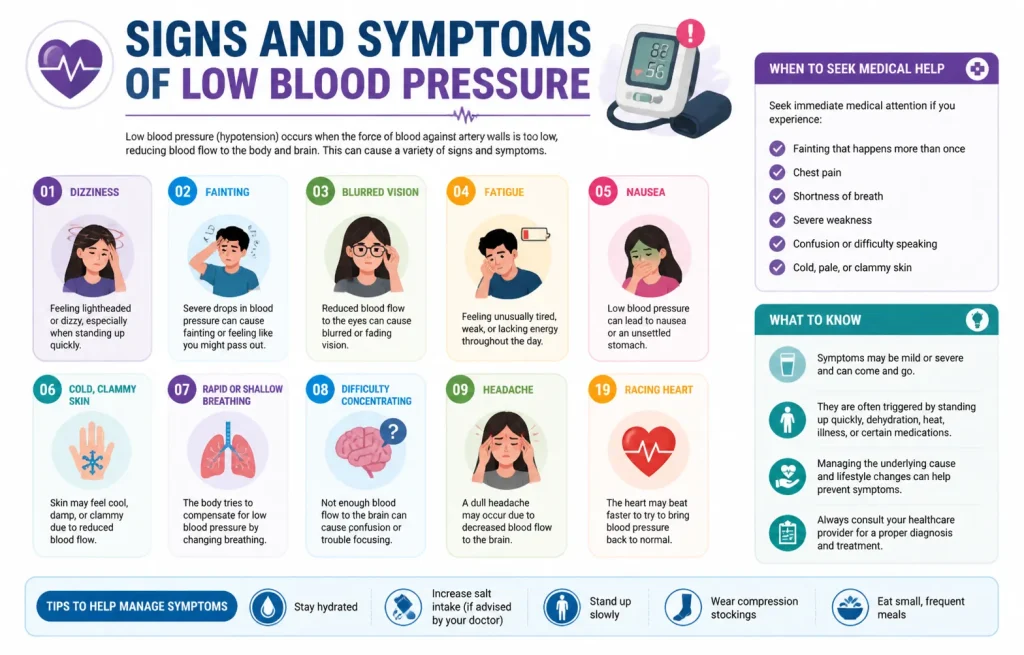
Low blood pressure, or hypotension, can manifest in several noticeable ways. One of the most common signs is dizziness or lightheadedness, especially when standing up quickly. Some individuals may experience fatigue or unusual tiredness, making daily activities more difficult. Fainting or near-fainting episodes can occur in more pronounced cases, posing a risk for falls or injury.
Other symptoms may include blurred vision, a rapid or weak pulse, and a cold, clammy feeling in the extremities. Nausea or a general sense of weakness can also indicate that blood flow to vital organs is insufficient. While mild episodes are usually temporary, recurring or severe symptoms require medical attention. Recognizing these warning signs early is key to preventing complications and ensuring that GLP-1 therapy remains safe and effective.
Even minor drops can be noticed by the body. Common signs include:
- Dizziness or lightheadedness
- Fatigue
- Fainting or near-fainting episodes
- Blurred vision
- Rapid or weak pulse
If these occur, consult your healthcare provider immediately.
This image highlights the key signs and symptoms of low blood pressure and practical tips to manage them safely.
6. Practical Tips to Manage Blood Pressure on GLP-1
Managing blood pressure while taking GLP-1 medications involves both monitoring and lifestyle strategies. Start by checking your blood pressure regularly, especially during the first few weeks of treatment, to detect any significant changes early. Staying well-hydrated helps maintain blood volume and reduces the risk of dizziness or fainting.
When moving from sitting or lying down, rise slowly to prevent sudden drops in blood pressure. Avoid skipping meals, as low blood sugar and dehydration can worsen hypotension. If you are on other blood pressure medications, talk to your healthcare provider about possible dose adjustments to minimize overlapping effects.
Incorporating moderate exercise and a balanced diet rich in electrolytes can further support stable blood pressure. Keep a log of any symptoms, such as lightheadedness, fatigue, or palpitations, and share it with your doctor. By combining careful monitoring with these practical strategies, patients can safely continue GLP-1 therapy while minimizing the risk of low blood pressure.
- Monitor BP regularly at home using a reliable cuff
- Stay hydrated to prevent hypotension
- Adjust medications only with the doctor’s guidance
- Rise slowly from sitting or lying positions
- Report symptoms like dizziness, fainting, or rapid heart rate
Common GLP-1 Medications and BP Effects
| Medication | Typical BP Effect | Notes |
| Semaglutide | ↓ 2–5 mmHg systolic | Can slightly lower BP in hypertensive patients |
| Liraglutide | ↓ 1–4 mmHg systolic | Usually mild, may benefit cardiovascular health |
| Dulaglutide | Minimal effect | Generally safe for normotensive patients |
| Exenatide | ↓ 1–3 mmHg systolic | Often well-tolerated, low risk of hypotension |
Conclusion
GLP-1 medications provide significant benefits for managing type 2 diabetes and supporting weight loss, while also contributing to cardiovascular health. Although they can cause mild reductions in blood pressure, serious hypotension is uncommon in most patients. Awareness of potential effects and proactive monitoring are key to ensuring safety. Individuals with pre-existing low blood pressure or those taking multiple medications should pay extra attention to symptoms like dizziness, fatigue, or fainting.
Lifestyle measures, such as staying hydrated, rising slowly from seated positions, and maintaining a balanced diet, can help mitigate any minor blood pressure drops. Regular communication with healthcare providers allows for safe dose adjustments and timely intervention if needed. For most patients, the modest blood pressure-lowering effects of GLP-1 are actually beneficial, especially in those with elevated BP or cardiovascular risk. Understanding your own risk factors, combined with careful monitoring, ensures that GLP-1 therapy remains both effective and safe. Overall, GLP-1 offers a multi-faceted approach to metabolic and heart health while posing minimal risk for severe hypotension.
GLP-1 medications are powerful tools for managing type 2 diabetes and obesity. While they can cause slight reductions in blood pressure, significant hypotension is rare. Key takeaways:
- Most BP changes are mild and beneficial.
- High-risk groups should monitor more closely.
- Symptoms like dizziness or fainting require immediate attention.
- Maintaining hydration and slow movements reduces risk.
- GLP-1 can be safely used alongside other medications with guidance.
Frequently Asked Questions FAQs
1. Is low blood pressure a common side effect of GLP-1?
No, it’s generally mild and uncommon. Most patients experience small reductions in systolic BP.
2. Can GLP-1 cause dangerous drops in BP?
Severe hypotension is rare but possible in high-risk individuals, especially when combined with other BP-lowering medications.
3. Should I stop GLP-1 if my BP drops?
Never adjust or stop medication without consulting your healthcare provider. They may adjust the dose or schedule monitoring.
4. Are there natural ways to prevent BP drops while on GLP-1?
Yes – hydration, slow position changes, and avoiding prolonged fasting can help.
5. Can weight loss from GLP-1 affect BP?
Yes. Weight loss can improve vascular health, often resulting in a mild BP reduction.
6. Do all GLP-1 drugs affect BP equally?
No. Some, like semaglutide and liraglutide, have more noticeable effects than others.
7. Is GLP-1 safe for people with low BP?
With proper monitoring and medical guidance, it can be used safely, but individualized assessment is key.
8. How often should BP be checked on GLP-1?
At least once a week initially, then monthly or as advised by your doctor.