
GLP-1 (Glucagon-Like Peptide-1) medications have become a popular solution for weight management and diabetes care. While these drugs offer significant benefits, many users wonder: Does GLP-1 make you tired? In this article, we explore how GLP-1 works, its benefits, potential side effects—including fatigue—and tips to maximize results while maintaining energy levels.
GLP-1 medications are widely used for weight loss and blood sugar management, but many users wonder, ” Does GLP-1 make you tired? Mild fatigue is a common experience, especially during the first few weeks, as the body adjusts to reduced appetite, lower calorie intake, and more stable blood sugar levels. However, this tiredness is usually temporary.
In addition to weight loss, GLP-1 offers benefits such as improved metabolic health, appetite control, and potential cardiovascular support. To manage energy levels while taking GLP-1, focus on balanced meals, hydration, regular moderate exercise, and adequate sleep. Tracking your energy and discussing any persistent fatigue with your healthcare provider can help you maximize the benefits of GLP-1 therapy without compromising daily performance.
1. What is GLP-1?
GLP-1 is a naturally occurring hormone in the body that helps regulate blood sugar levels and appetite. Medications that mimic GLP-1 are often prescribed for:
- Weight loss: Helps reduce appetite and food intake.
- Diabetes management: Improves insulin response and blood sugar control.
- Cardiovascular health: Some studies suggest benefits for heart health.
Popular GLP-1 medications include semaglutide and liraglutide, which are often used in combination with lifestyle changes for effective weight management. GLP-1, or Glucagon-Like Peptide-1, is a hormone naturally produced in the gut that helps regulate blood sugar and appetite.
It works by stimulating insulin release after meals, suppressing the hormone glucagon that raises blood sugar, slowing stomach emptying to make you feel full longer, and signaling the brain to reduce cravings.
Because of these effects, GLP-1 medications, such as semaglutide and liraglutide, are commonly prescribed for weight loss and type 2 diabetes management, helping users control appetite, manage blood sugar levels, and support overall metabolic health.
2. How Does GLP-1 Affect Energy Levels?
While GLP-1 is effective for weight loss, some users report feeling tired or fatigued. This can happen due to several reasons:
- Reduced calorie intake: As GLP-1 suppresses appetite, you may naturally consume fewer calories, which can lead to temporary fatigue.
- Changes in blood sugar: GLP-1 stabilizes blood sugar, but some users may initially experience low energy levels during adjustment.
- Medication adjustment period: The body may need a few weeks to adapt, which can temporarily cause tiredness.
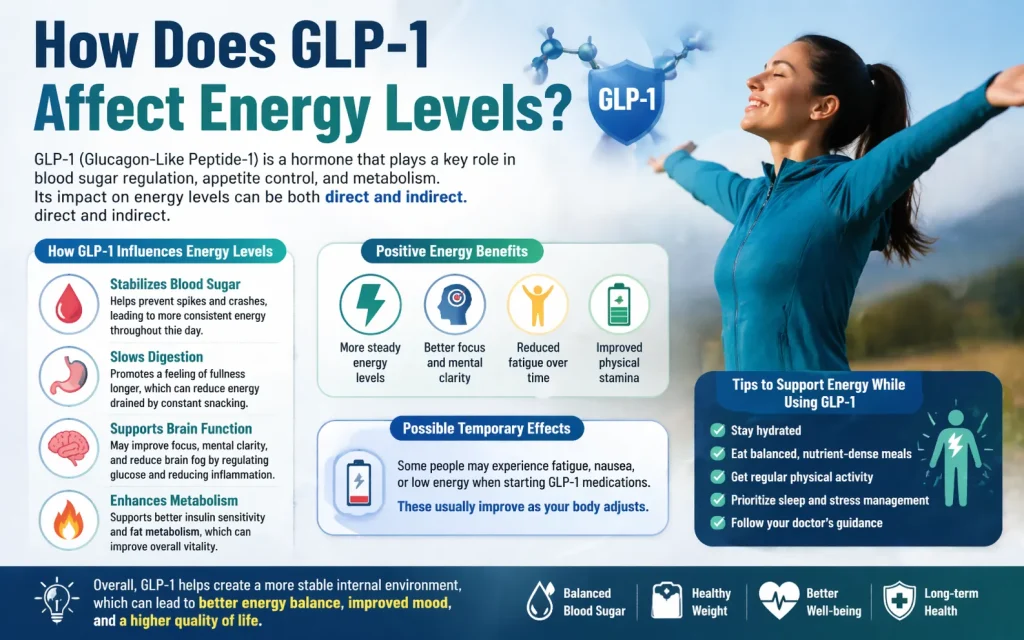
GLP-1 can affect energy levels in several ways, mainly due to its impact on appetite, blood sugar, and metabolism. By reducing appetite and slowing stomach emptying, GLP-1 often leads to lower calorie intake, which can temporarily cause mild fatigue as the body adjusts. It also stabilizes blood sugar levels, which can initially result in low energy if your body is used to higher glucose spikes.
Over time, as the body adapts, many users notice improved energy and alertness because blood sugar fluctuations are minimized and weight loss contributes to better overall metabolic efficiency. Proper hydration, balanced meals, and adequate sleep can help mitigate any temporary tiredness during this adjustment period.
3. Common Side Effects of GLP-1 (Brief Overview)
GLP‑1 receptor agonists, commonly used for type 2 diabetes and weight management, are generally well tolerated, but they can cause side effects, most of which are gastrointestinal in nature. The most frequently reported include nausea, vomiting, diarrhea, and constipation, particularly when therapy is initiated or doses are increased; these symptoms are usually mild to moderate and tend to improve over time.
Many patients also experience loss of appetite and early satiety, contributing to weight loss but occasionally causing discomfort. Additional mild effects can include dizziness, headache, indigestion, and increased heart rate, while injectable forms may cause injection-site reactions such as redness or itching.
Hypoglycemia is uncommon when GLP‑1s are used alone, but can occur in combination with other glucose-lowering medications. Rare but serious risks include pancreatitis, gallbladder issues, kidney injury, and in very rare cases, thyroid C-cell tumors. Some patients report fatigue, likely related to changes in calorie intake and weight loss.
Most side effects diminish as the body adjusts, and gradual dose escalation is often employed to minimize discomfort. Because individual tolerance varies, ongoing medical supervision is essential to safely manage side effects and optimize treatment outcomes.
While our focus is fatigue, it’s helpful to understand other potential side effects:
- Nausea and vomiting
- Digestive issues such as bloating or diarrhea
- Headaches
- Mild dizziness or lightheadedness
GLP-1 medications are generally well-tolerated, but some users may experience common side effects, especially during the first few weeks of treatment.
These can include nausea, vomiting, and digestive issues like bloating or diarrhea. Some people also report mild headaches, dizziness, or fatigue, particularly as the body adjusts to changes in appetite and calorie intake.
Most side effects are temporary and tend to improve over time, but it’s important to monitor your symptoms and consult your healthcare provider if they persist or become severe.
4. Does GLP-1 Make You Tired? Real User Experiences
Many GLP-1 users report varying levels of energy changes. Some common observations include:
- Mild tiredness during the initial weeks
- Feeling more alert after adjustment, as weight loss and stabilized blood sugar improve energy
- Some individuals may experience temporary lethargy if calorie intake drops too quickly
Many people taking GLP‑1 medications report a range of experiences when it comes to energy levels. Some users notice mild tiredness or fatigue, especially during the first few weeks as their body adjusts to changes in appetite and calorie intake. Others find that once they settle into the treatment and their blood sugar stabilizes, their energy actually improves, and they feel more focused and alert throughout the day.
A few people may experience temporary low energy if calorie intake drops too quickly or hydration isn’t maintained, but most describe this as a short‑term adjustment rather than a long‑lasting issue. Overall, real user experiences vary, but many people find that any initial tiredness fades over time as the body adapts and the benefits of improved blood sugar control and weight loss begin to show.
Tip: Track your energy levels daily to notice patterns and share them with your healthcare provider.
5. How to Manage Fatigue While Using GLP-1
Managing fatigue while using GLP-1 involves a combination of diet, lifestyle, and self-care strategies to maintain energy levels. First, eat balanced, nutrient-dense meals that include lean proteins, complex carbohydrates, and healthy fats to prevent energy dips from reduced calorie intake.
Stay hydrated by drinking plenty of water, as dehydration can worsen tiredness. Incorporating moderate exercise, like walking, swimming, or cycling, can boost energy without overtaxing the body. Prioritize sleep and rest, aiming for 7–9 hours per night, and consider short naps if needed.
Finally, monitor blood sugar levels to ensure they remain stable, and consult your healthcare provider for guidance if fatigue persists, as adjustments to diet, lifestyle, or medication timing may help.
Here are practical strategies to minimize tiredness and maintain energy while on GLP-1:
5.1 Eat Balanced Meals
- Include lean proteins, complex carbs, and healthy fats
- Avoid skipping meals, even with reduced appetite
- Focus on high-nutrient foods to compensate for lower calorie intake
5.2 Stay Hydrated
- Drink at least 2–3 liters of water daily
- Dehydration can worsen fatigue
5.3 Exercise Smartly
- Incorporate moderate-intensity workouts like walking, swimming, or cycling
- Avoid overtraining during the first few weeks of GLP-1 therapy
5.4 Rest and Sleep
- Aim for 7–9 hours of sleep per night
- Short naps (20–30 minutes) can help recharge your energy
5.5 Monitor Blood Sugar
- Track how your blood glucose levels fluctuate
- Adjust meals or snacks with your doctor’s guidance if low energy persists
6. Benefits of GLP-1 Beyond Weight Loss
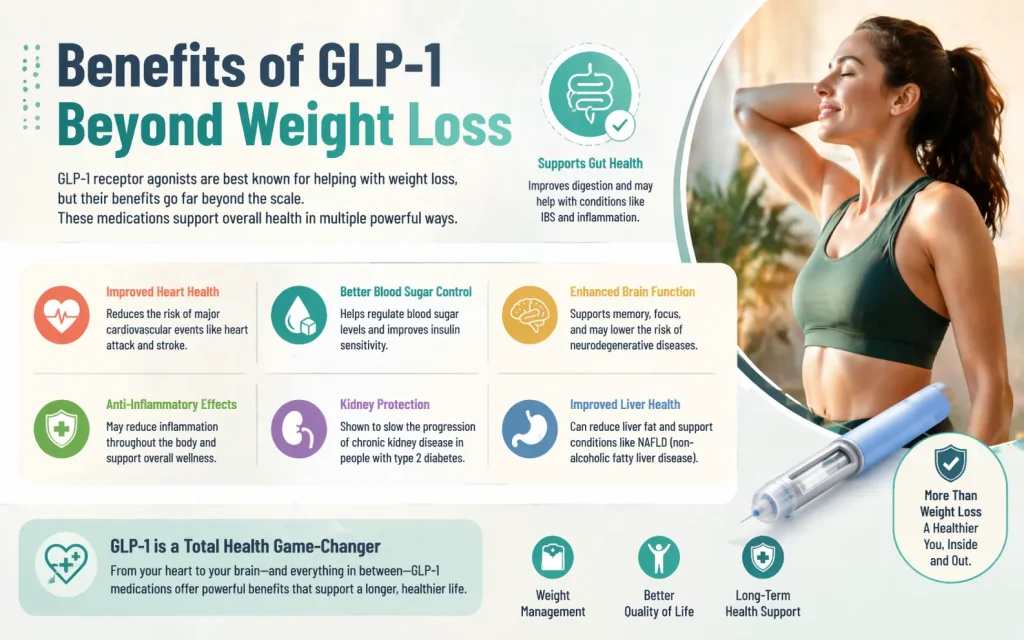
Beyond weight loss, GLP-1 medications offer several important health benefits. They help regulate blood sugar levels by stimulating insulin release and suppressing glucagon, which is particularly beneficial for people with type 2 diabetes. GLP-1 also slows stomach emptying and reduces appetite, supporting healthier eating habits and improved metabolic function.
Some studies suggest that GLP-1 can promote heart health by lowering certain cardiovascular risks and improving blood pressure and cholesterol levels. Additionally, by enhancing insulin sensitivity and supporting better glucose control, GLP-1 can contribute to overall metabolic well-being, making it a valuable tool not just for weight management but for long-term health.
Despite the possible fatigue, GLP-1 medications offer multiple benefits:
- Appetite suppression: Reduces overeating and cravings
- Sustainable weight loss: Helps achieve gradual, long-term results
- Improved metabolism: Supports fat burning and insulin efficiency
- Better heart health: Some GLP-1 drugs reduce cardiovascular risks
Balancing energy management with these benefits is key to long-term success.
7. When to Consult Your Doctor
It’s crucial to talk to your healthcare provider if fatigue persists or worsens. You should seek medical advice if:
- Tiredness lasts more than a few weeks
- You experience dizziness, fainting, or severe fatigue
- Other symptoms, such as nausea or digestive issues, interfere with daily life
Your doctor may adjust your dosage or suggest lifestyle modifications to improve energy levels.
You should consult your doctor while using GLP-1 if fatigue or other symptoms persist, worsen, or interfere with daily life. Seek medical advice if you experience severe or prolonged tiredness, dizziness, fainting, or unusual weakness,
if digestive issues like nausea, vomiting, or diarrhea become frequent. It’s also important to talk to your healthcare provider before making any changes to your medication, dosage, or lifestyle routine. Your doctor can help adjust your treatment plan, suggest strategies to manage fatigue, and ensure that GLP-1 therapy remains safe and effective for your weight loss and overall health goals.
8. Tips for Maximizing GLP-1 Effectiveness While Staying Energetic
To ensure you get the most out of GLP-1 therapy without feeling drained:
- Start slow: Gradually adjust to the medication dose
- Meal prep: Plan nutrient-dense meals in advance
- Track progress: Use a journal or app to log weight, energy levels, and meals
- Supplement wisely: Consider vitamins or electrolytes if recommended by your doctor
- Combine with lifestyle changes: GLP-1 works best with a healthy diet and regular physical activity
9. Final Thoughts
GLP-1 medications are a powerful tool for weight loss and metabolic health. While fatigue can occur, it is often temporary and manageable with proper diet, hydration, rest, and exercise. By understanding how GLP-1 affects energy levels and taking proactive steps, you can maximize the benefits of this therapy without compromising your daily performance.
10. FAQs About GLP-1 and Fatigue
1. Does GLP-1 make everyone tired?
Not everyone experiences fatigue. Mild tiredness is more common during the first few weeks as your body adjusts to appetite changes and lower calorie intake. Many users report improved energy after this initial phase.
2. How long does tiredness from GLP-1 last?
Fatigue usually lasts 1–3 weeks, but it varies depending on your diet, hydration, and overall health. Persistent tiredness should be discussed with your doctor.
3. Can I prevent tiredness while on GLP-1?
Yes. Strategies include:
Eating balanced meals
Staying hydrated
Getting enough sleep
Incorporating moderate exercise
Monitoring blood sugar levels
4. Is fatigue a serious side effect of GLP-1?
In most cases, fatigue is mild and temporary. However, if it is severe, prolonged, or accompanied by dizziness, fainting, or other symptoms, consult your healthcare provider.
5. Can adjusting the dose reduce tiredness?
Sometimes, starting with a lower dose and gradually increasing can help the body adapt, reducing fatigue. Always follow your doctor’s guidance.
6. Does diet affect how tired I feel on GLP-1?
Absolutely. Eating nutrient-dense foods and avoiding skipping meals can minimize tiredness and help maintain steady energy levels.
7. Are there other ways to boost energy while taking GLP-1?
Yes. Simple strategies include:
Short daytime naps (20–30 minutes)
Stretching or light exercise
Ensuring adequate hydration and electrolyte intake
Key Takeaways:
- GLP-1 can cause mild tiredness, especially during the initial weeks.
- Maintaining a balanced diet and proper hydration helps combat fatigue.
- Regular exercise and good sleep support energy levels.
- Benefits include appetite control, weight loss, and better blood sugar regulation.
✅ With careful management, GLP-1 can be a safe, effective, and energizing part of your weight loss journey.