Summary of the Article
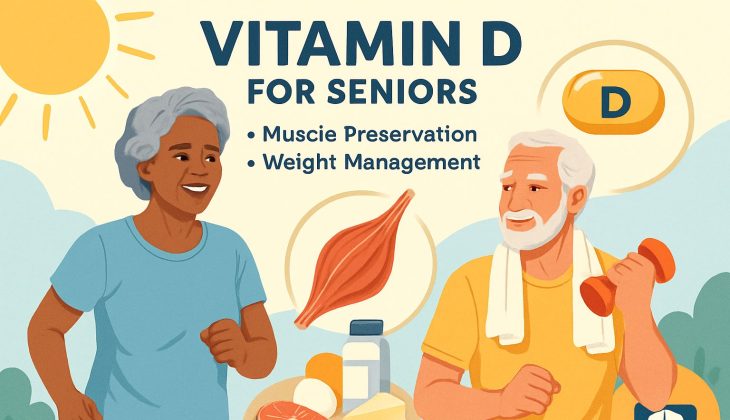
- Vitamin D plays a significant role in synthesizing muscle protein, producing mitochondrial energy, and reducing inflammation, which all contribute to muscle preservation and a healthy body composition.
- Vitamin D deficiency is very common in adults over 60, and low levels are strongly associated with sarcopenia (age-related muscle loss), an increased risk of falling, and slower recovery after exercise.
- Combining vitamin D supplementation with resistance training results in significantly better outcomes for muscle strength and waist circumference than exercise alone. The research on this combination is impressive.
- Combined data from 26 studies confirmed that vitamin D supplementation results in measurable improvements in muscle mass in adults aged 60 and older.
- People with a higher BMI may need adjusted vitamin D doses to see the same benefits. Standard dosing often falls short for this group.
Most people who are striving for better muscle tone and a leaner body are overlooking one of the most basic factors: their vitamin D levels.
There’s a subtle yet well-established connection between vitamin D, muscle health, and body composition. And it’s more complex than simply “popping a pill.” Vitamin D acts more like a hormone than a vitamin in your body, interacting with receptors in your muscle tissue, regulating mitochondrial function, and controlling inflammatory pathways that directly impact how your muscles grow, recover, and perform. For a deep dive into how natural nutrients impact physical health, check out this resource on evidence-based natural health strategies.
Grasping the function of vitamin D in your muscles is a crucial step towards better health and weight management, particularly if you’re over 40, and even more so if you’re over 60.
Lack of Vitamin D Is Quietly Stealing Your Muscle Mass
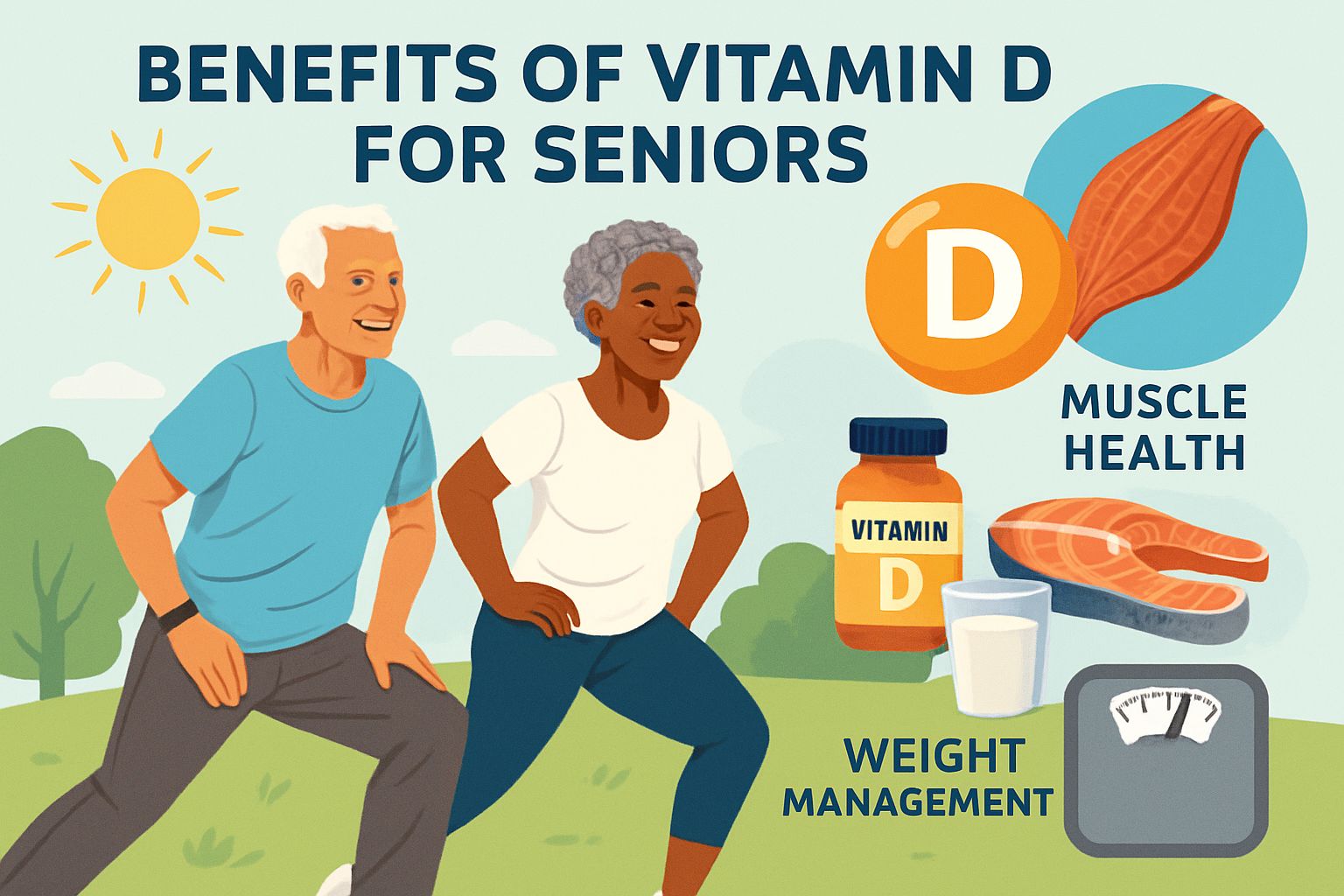
The issue with a lack of vitamin D is that it does not make itself known. It sneaks in through subtle signs: a bit more fatigue than usual, workouts that feel harder to recover from, grip strength that slowly weakens, and balance that becomes less reliable. By the time muscle loss becomes noticeable, the deficiency has often been silently working against you for years.
What makes this particularly important is that vitamin D doesn’t just support overall health — it has specific, well-documented roles within skeletal muscle tissue. When there’s a deficiency, it directly affects those functions. The muscle weakness that results from low vitamin D levels is a clinically recognized phenomenon, not just a theory. It’s been extensively documented in both human trials and animal models.
The Prevalence of Vitamin D Deficiency in the Elderly
It is shockingly common for older adults to have a deficiency in vitamin D. This can be attributed to a number of factors, including less exposure to sunlight, a decreased ability to synthesize the vitamin in the skin as we age, a lower intake of the vitamin in their diet, and spending less time outside. Studies have confirmed that a deficiency in vitamin D is prevalent in older adults and that it is directly linked to weaker muscles, an increased risk of falls, and greater difficulty performing basic movements such as standing up from a chair or walking at a normal speed.
Many doctors believe that blood levels under 20 ng/mL are deficient and levels between 20-30 ng/mL are insufficient. A large number of older adults fall into one of these two categories without even realizing it.
The Direct Connection Between Low Vitamin D and Muscle Weakness
Low vitamin D has long been known to cause muscle weakness — and critically, that weakness is relieved when vitamin D levels are restored. This is not a correlation; it is a documented cause-and-effect relationship confirmed in both clinical settings and controlled animal studies. Research using animal models showed that increasing vitamin D within the normal range (from 20–30 ng/dL to above 30 ng/dL) improved muscle function in adult wild-type mice, with normal dietary vitamin D increasing strength over low-dose vitamin D without altering lean mass. High-dose dietary vitamin D improved strength even further.
In studies involving humans, older patients who took vitamin D supplements saw significant improvements in the strength of their lower limbs, grip, and pinch compared to control groups. These benefits were directly related to measurable improvements in the levels of vitamin D in their blood.
The Connection Between Fatigue, Slow Recovery, and Vitamin D Deficiency
Do you often feel tired and find it difficult to recover after exercising? These could be early signs that your muscles are suffering due to low levels of vitamin D. Studies have shown that vitamin D deficiency can lead to reduced mitochondrial oxidative capacity in skeletal muscles. This means that your muscle cells are not as efficient as they should be in producing the energy needed for performance and recovery. As a result, you may find that you struggle with your workouts and take longer to recover.
When you’re always tired even though you’re getting enough sleep, or when your muscles take a long time to recover after a moderate workout, it’s worth getting a simple blood test to check if you’re low on vitamin D.
The Inner Workings of Vitamin D in Your Muscles
To grasp the importance of vitamin D in muscle and weight maintenance, we need to delve into the cellular level. This goes beyond the nebulous concept of “immune support” — vitamin D has proven, specific functions within muscle tissue that directly impact muscle contraction, growth, repair, and energy production.
Vitamin D and Its Connection to Muscle Tissue
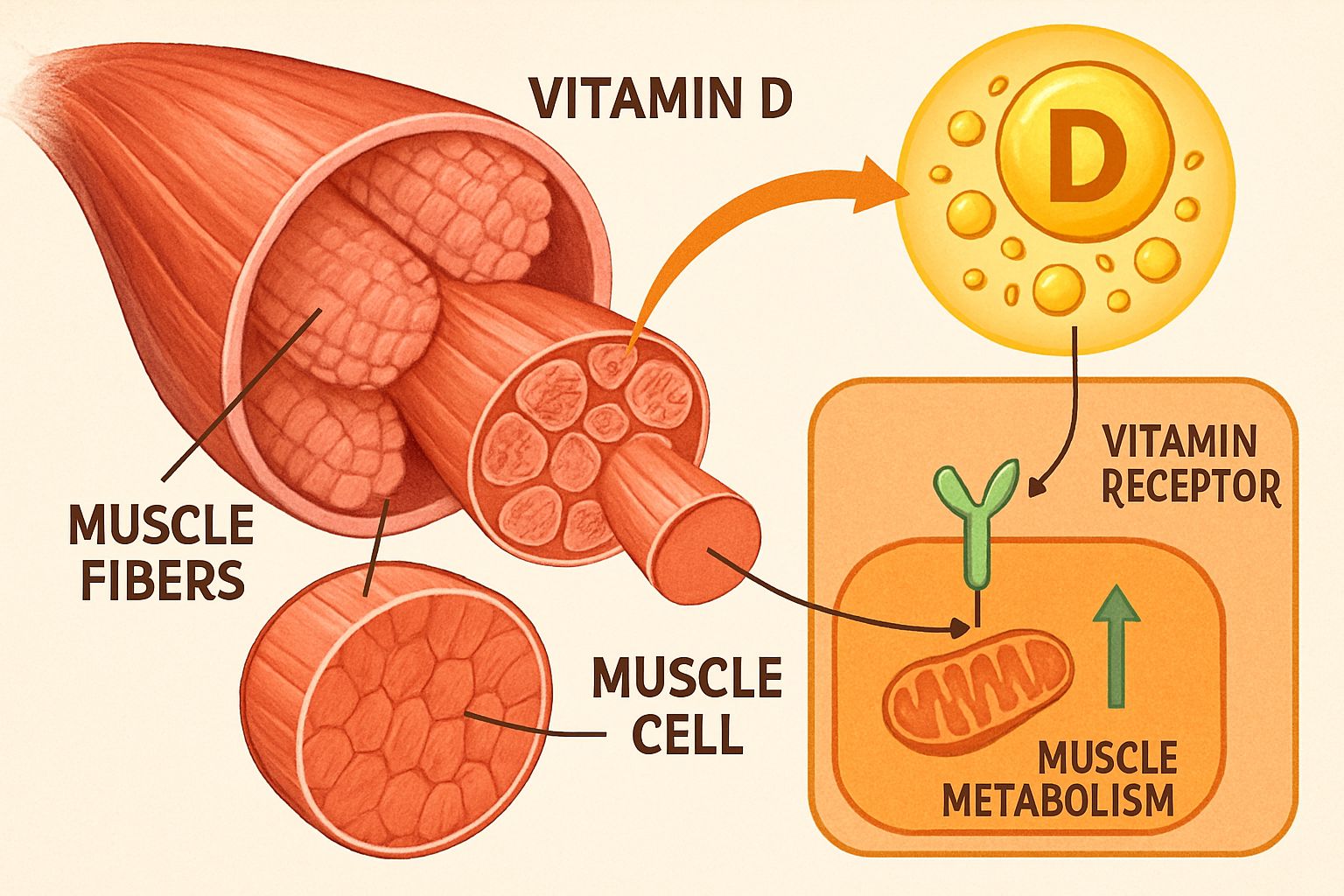
Your skeletal muscle has vitamin D receptors (VDRs), which means that it’s in the very nature of your muscle cells to react to vitamin D. When vitamin D connects with these receptors, it initiates gene expression pathways that are involved in the synthesis of muscle protein and cell growth. If you don’t have enough vitamin D, these pathways are underactivated. This means that your muscles aren’t getting the full signal they need to grow and repair, even if you’re consistently training and consuming enough protein.
Boosting Energy and Function in Muscle Cells
If you’re low on vitamin D, your body’s ability to produce energy in your muscles is diminished. This is due to the role of mitochondria, the powerhouses inside your cells that generate energy. When these mitochondria aren’t working at their best, your muscle performance, stamina, and recovery can all be affected. This is why taking a vitamin D supplement can make a big difference in how your muscles feel and perform. It’s not just a superficial effect, but a real change in your muscle cell’s energy metabolism.
How Vitamin D Fights Muscle Inflammation
Chronic low-grade inflammation is a key factor in muscle loss as we age. Vitamin D helps control inflammation in muscle tissue, which can prevent muscle proteins from being destroyed faster than they can be replaced. Studies have found that vitamin D signalling – as well as its role in sensing nutrients – creates a physiological structure that encourages calories to be used for muscle rather than fat. This one mechanism has major implications for body composition and long-term weight control.
What Studies Say About Vitamin D and Sarcopenia
Sarcopenia, a condition characterized by the gradual loss of skeletal muscle mass and function as we age, is a serious health risk that often goes unnoticed in adults over 60. A lack of vitamin D has been pinpointed as a major, yet preventable, risk factor for this condition.
Understanding Sarcopenia and Why It’s More Prevalent After 60
Sarcopenia isn’t just about appearing less muscular. It directly affects mobility, raises the risk of falls and fractures, slows down metabolism, and progressively makes weight management more difficult as muscle tissue, which is metabolically active, is replaced by fat. After the age of 60, muscle loss speeds up, and the body becomes less efficient at rebuilding muscle in response to both exercise and nutrition. A deficiency in vitamin D exacerbates all of these factors.
Vitamin D Deficiency as a Major Contributor to Muscle Loss in Aging
A 2024 literature review in the journal Therapeutics and Clinical Risk Management looked at the ways vitamin D is linked to sarcopenia in the elderly, as well as the clinical evidence supporting this connection. The study found a strong correlation between vitamin D deficiency and an increased risk of sarcopenia. This is due to vitamin D deficiency’s effects on muscle protein synthesis, mitochondrial function, and inflammatory signaling. Importantly, the review highlighted vitamin D as one of the only nutritional factors that can be modified and has clear mechanistic pathways linking its deficiency to faster muscle loss.
Proof From 26 Studies on Muscle Mass Improvements
This is where the proof becomes difficult to overlook. A systematic review and meta-analysis pooling data from 26 studies in adults aged 60 and older found that vitamin D supplementation produced a statistically significant positive effect on muscle mass, with a standardized mean difference of 0.27 (95% CI 0.12–0.42; P < 0.001). This is not a marginal or theoretical result — it is a consistent signal across dozens of independent studies showing that correcting vitamin D deficiency translates into measurable gains in muscle mass in older adults.

Exercise and Vitamin D: A Winning Combination
Exercise is a must for maintaining muscle mass. However, studies have shown that combining resistance training with appropriate levels of vitamin D produces results that can’t be achieved with exercise alone. Consider vitamin D as the enhancer — it doesn’t take the place of the training signal, but it does make your muscles much more receptive to it.
Meta-analyses have confirmed that combining vitamin D with exercise can enhance weight, BMI, and waist circumference, especially in older adults. This is not something that can be achieved to the same extent with exercise alone. The takeaway here is simple: if you’re regularly working out but your vitamin D levels are low, you’re not reaping the full benefits of your efforts.
Findings from a 12-Week Resistance Training and Vitamin D Study
Several clinical trials have looked at the combination of resistance training and vitamin D supplementation in older adults. The results have been impressive. Not only did the combination improve muscle strength and physical performance, but it did so more than exercise alone. The benefits were also measurable. They included increases in lower-limb strength and grip strength, which are two of the most important indicators of functional muscle health in older adults.
What makes these results especially useful is the timeline. Significant improvements in strength outcomes were seen within weeks of starting supplementation in conjunction with a structured training program, suggesting that correcting deficiency relatively quickly begins to shift the muscle-building environment in the right direction.
Improving Grip and Leg Strength, and Balance in the Elderly
According to a 2024 study published in Frontiers in Nutrition, vitamin D supplementation significantly improved lower limb muscle strength, grip strength, and pinch strength in elderly patients compared to those who did not take supplements. These are not just abstract measurements — grip strength is a validated predictor of overall muscle health, the risk of falling, and even cardiovascular outcomes. Meta-analyses of randomized controlled trials have also confirmed balance improvements from vitamin D supplementation, with the mechanism likely involving enhanced neuromuscular function driven by improved vitamin D receptor activity in muscle tissue.
Having stronger legs, a better grip, and improved balance can significantly reduce the risk of falling — one of the most dangerous and expensive results of sarcopenia in older adults.
The Connection Between Vitamin D, Weight, and Body Composition
There is a significant correlation between vitamin D and weight, but it’s important to understand it correctly. Vitamin D is not a magic pill for burning fat. Instead, it helps to foster an internal environment that is more conducive to preserving muscle mass, supporting metabolic function, and, when paired with exercise, significantly altering body composition.
Why Vitamin D Alone Will Not Cause Weight Loss
Simply taking vitamin D without making any other changes to your diet, exercise, or lifestyle will not cause you to lose weight. The research does not support vitamin D as a standalone weight loss intervention. What the evidence does show is that vitamin D deficiency creates conditions that make it harder to manage your weight — reduced muscle mass, impaired energy metabolism, and a hormonal environment that favors fat storage over muscle building. Correcting the deficiency removes these obstacles, but you still need to provide the stimulus — through exercise and nutrition — for positive body composition changes to occur.
How Exercise and Vitamin D Work Together to Shrink Your Waistline
Multiple studies have shown that taking vitamin D supplements and exercising can significantly reduce weight, BMI, and waist circumference in older adults. These results were not as significant with exercise alone. The decrease in waist circumference is especially important because it indicates a reduction in visceral fat. This type of fat surrounds the internal organs and is very active metabolically. It is also closely linked to insulin resistance, inflammation, and cardiovascular risk.
It seems that the way this combination effect works is related to vitamin D’s ability to redirect where calories are used — research has provided a physical framework that shows that having enough vitamin D encourages the body to use calories to build muscle tissue instead of storing it as fat. When you combine that internal change with the signal to build muscle from resistance or aerobic exercise, the changes in body composition are even greater.
Why is it important to distinguish between lean mass and weight?
The goal of understanding the relationship between vitamin D and body composition isn’t just to lose weight. Rather, it’s about improving the ratio of lean muscle mass to body fat. Vitamin D supplements have consistently shown to have a positive impact on muscle mass in older adults. Since muscle is denser and more metabolically active than fat, gaining muscle while losing fat may not always result in a dramatic change on the scale.
That’s why it’s so important to track body composition, not just body weight. If you gain 2 pounds of muscle but lose 3 pounds of fat, you’ve actually made a huge improvement in your health. But the scale will only show a 1-pound loss.
- Muscle is metabolically active — it burns more calories at rest than fat tissue, helping to maintain weight over the long term.
- Without muscle preservation, fat loss leads to a lower metabolic rate, making it more difficult to manage weight in the future.
- Vitamin D helps with the muscle part of this equation — it helps preserve and build lean tissue in combination with exercise.
- Body composition measurements (DEXA scan, body fat percentage) are more meaningful than simply weighing yourself.
- Waist circumference reduction from the combination of vitamin D and exercise reflects visceral fat loss — the most important type for health.
One of the most practical changes you can make in your approach to fitness and nutrition after the age of 50 is to redefine success around preserving lean mass rather than just losing weight.
How Higher BMI Can Dull the Effects of Standard Vitamin D Doses
Those who have a higher body weight or BMI often see a lesser effect from standard doses of vitamin D supplements. Because vitamin D is fat-soluble, it can be stored in fat tissue, which reduces the amount that can circulate in the blood and reach muscle tissue. Studies have pinpointed this as a reason why older adults with obesity may need adjusted dosing strategies. If your BMI is higher and you’re taking a standard daily dose of 1,000–2,000 IU of vitamin D, you may find that your blood levels are still insufficient even after months of supplementation, and the benefits to your muscles and body composition may be significantly lessened.
Maximizing Your Vitamin D Levels for Muscle Strength and Weight Loss
Being aware of the importance of vitamin D is only the first step. To truly reap the benefits, you need to know your current vitamin D levels and create a personalized plan to increase them.
Why You Should Test Your Blood Levels Before Supplementing
Before you buy any vitamin D supplements, it’s important to get a 25-hydroxyvitamin D blood test. This is the typical test used to measure the amount of vitamin D in your blood, and it provides you with the only number that really matters: your current level. Without this initial measurement, you’re supplementing in the dark — you could be taking too little to see any effects, or in rare cases, more than your body requires.
For muscle and metabolic benefits, most clinicians and researchers agree that the target range is above 30 ng/mL, with some evidence suggesting that the 40-60 ng/mL range is optimal for neuromuscular function. If your levels are below 20 ng/mL, you are deficient and it is necessary to supplement. Make sure to ask your doctor for the 25(OH)D test specifically, as it is the most accurate measure of overall vitamin D status in the body.
The Reason Vitamin D3 Is More Beneficial Than D2
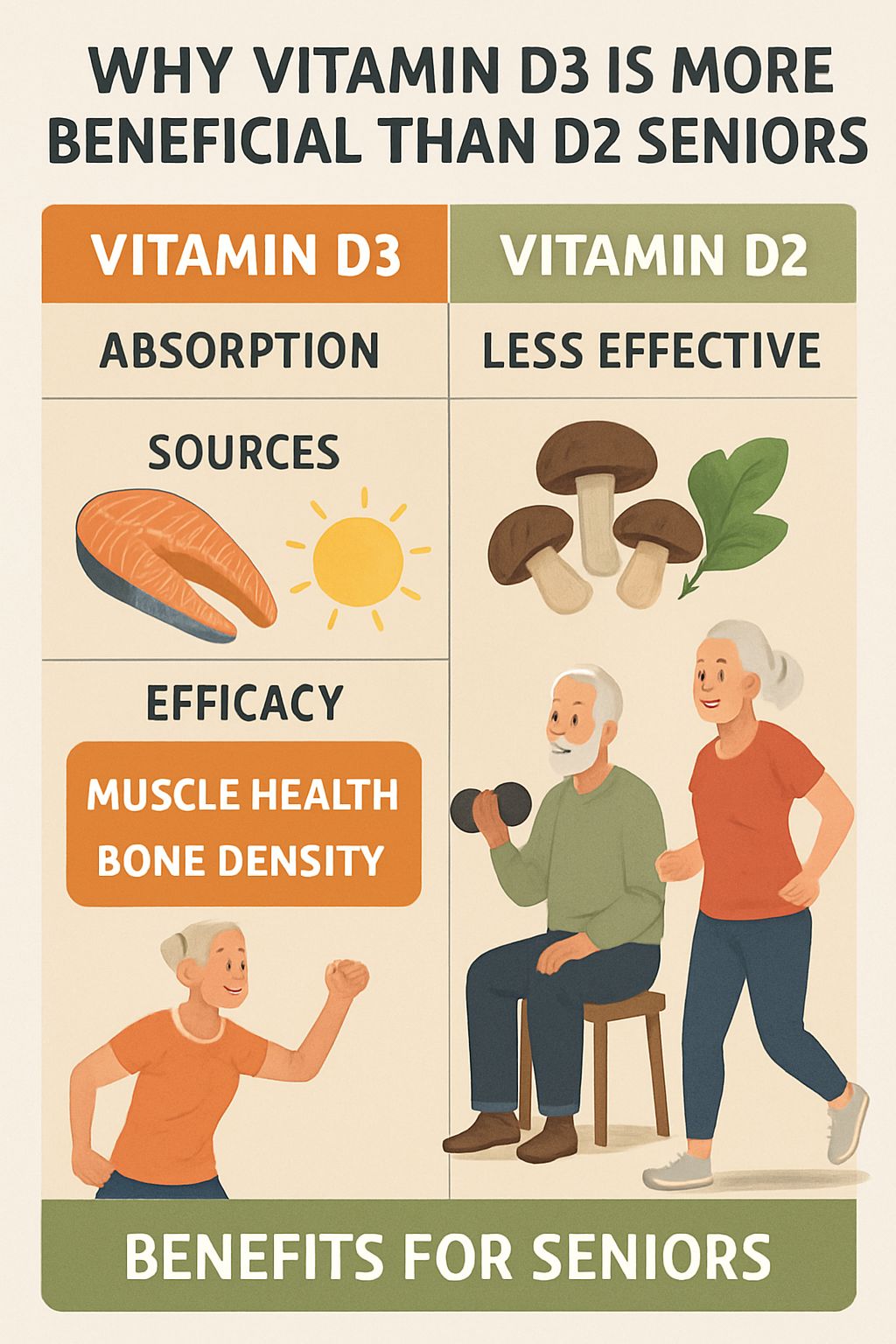
Not all vitamin D supplements are made the same. Vitamin D3 (cholecalciferol) is the form that your skin naturally makes when exposed to sunlight, and it is much more effective at increasing and maintaining blood levels of 25-hydroxyvitamin D compared to vitamin D2 (ergocalciferol). When you are picking a supplement, D3 is the must-have choice — especially when the goal is to increase levels enough to trigger the muscle and metabolic benefits shown in clinical research. Look for D3 supplements that are combined with vitamin K2, which helps guide calcium to bones instead of soft tissue, and take your supplement with a meal that contains fat since vitamin D is fat-soluble and absorbs much better with dietary fat present.
Maximizing the Effects of Vitamin D With Protein and Exercise
Vitamin D is most effective when used in a comprehensive plan. Research consistently places it in the context of resistance training and sufficient protein intake as a holistic method for maintaining muscle and managing body composition, rather than as a standalone solution. Aim for sufficient daily protein intake (research in older adults supports 1.2–1.6 grams per kilogram of body weight), pair it with two to three resistance training sessions per week, and ensure your vitamin D levels are in the optimal range. This trifecta — protein, exercise, and vitamin D — tackles muscle preservation from every angle at once.
At These Levels, Vitamin D Supplementation Becomes a Game-Changer
The research is clear: when blood levels are corrected from deficient or insufficient into the optimal range — particularly above 30 ng/mL and ideally between 40–60 ng/mL — the downstream effects on muscle strength, neuromuscular function, mitochondrial energy production, and body composition become measurable and meaningful. A meta-analysis pooling data from 26 studies confirmed significant positive effects on muscle mass in adults over 60. Meta-analyses also confirmed reduced fall risk through improved neuromuscular function, and combined vitamin D-plus-exercise interventions produced reductions in waist circumference, BMI, and body weight that exercise alone did not replicate. The game-changer is not a megadose — it is getting out of deficiency and staying there consistently while giving your body the exercise and nutritional stimulus it needs to respond.
Common Questions
When you first start researching the impact of vitamin D on muscle health and weight loss, you probably have some questions. Here are the most common ones, answered honestly and based on the latest scientific research.
What’s the Recommended Daily Vitamin D Intake for Muscle Strength?
The appropriate dosage is determined by your current blood level, which is why it’s crucial to get tested first. The general population is advised to take 600–800 IU daily, but these amounts are frequently insufficient to correct a deficiency, especially in older adults or those with a higher BMI. Clinical studies investigating muscle strength results have generally used dosages in the range of 1,000–4,000 IU per day, with higher dosages administered under medical supervision for those with a confirmed deficiency.
Blood Level (25-OH Vitamin D)
Status
General Supplementation Guidance
Below 20 ng/mL
Deficient
2,000–4,000 IU/day (consult a doctor)
20–30 ng/mL
Insufficient
1,500–2,000 IU/day
30–50 ng/mL
Sufficient
1,000–1,500 IU/day (maintenance)
40–60 ng/mL
Optimal (for muscle benefits)
Maintain current intake, retest in 6 months
Above 100 ng/mL
Potentially toxic
Reduce or stop supplementation immediately
People with higher BMI should discuss adjusted dosing with their healthcare provider, since vitamin D sequestration in fat tissue means standard doses may not raise blood levels adequately. The goal is always to reach and maintain optimal blood levels — not simply to hit a daily IU number.
It’s crucial to retest your blood levels after 8–12 weeks of supplementation to ensure that your chosen dose is having an effect. One of the biggest mistakes people make with vitamin D is supplementing without follow-up testing.
Does Vitamin D Help with Weight Loss if I Don’t Exercise?
Vitamin D will not cause you to lose weight on its own. There is no evidence to support the use of vitamin D as a standalone weight-loss method. What vitamin D does is remove a metabolic barrier – by correcting a deficiency, you restore proper mitochondrial function, reduce muscle-wasting inflammation, and create a more favorable internal environment for body composition improvements. However, these improvements require a stimulus: resistance training, aerobic activity, and adequate protein intake. The documented reductions in waist circumference and BMI from research came from vitamin D in combination with exercise – not from supplementation alone. Think of correcting your vitamin D levels as unlocking the door; exercise and nutrition are what actually walk you through it.
When Will I See Improvements in Muscle Strength from Taking Vitamin D Supplements?
According to data from clinical trials, noticeable improvements in muscle strength measurements, such as grip strength and lower limb strength, begin to show within 8 to 12 weeks of consistent supplementation. This is when a deficiency is being corrected while following a structured exercise program. The timeline can vary depending on how deficient you were to begin with, the dosage you’re taking, and whether you’re combining supplementation with resistance training.
There are a few things that will affect how fast you see results:
- Starting blood level: The more deficient you are at baseline, the more dramatic the initial improvements tend to be once levels are corrected.
- Dose adequacy: A dose that is too low to meaningfully raise your blood levels will delay results — which is why follow-up testing matters.
- Exercise pairing: Combining supplementation with resistance training accelerates the strength gains compared to supplementation alone.
- Age and BMI: Older adults and those with higher BMI may require longer supplementation periods or higher doses to reach optimal blood levels.
- Consistency: Vitamin D is fat-soluble and builds up over time — sporadic supplementation will not produce the stable blood levels needed for sustained muscle benefits.
The most important thing you can do is not judge results at four weeks. Give supplementation at least a full 12-week cycle before reassessing, and always pair your retest with a blood level measurement — not just a subjective sense of how you feel.
When you don’t see an increase in strength or recovery after 12 weeks of regular supplementation, it’s probably because your blood levels haven’t reached the optimal range. This is more common than you might think, especially in older adults and those with a higher body weight. It’s the best reason to adjust your dosage under a doctor’s care instead of just stopping the supplementation.
Can Vitamin D Help Older Adults Avoid Falling?
Yes, it can — and this is one of the most consistently supported findings in vitamin D research. Meta-analyses of randomized controlled trials have confirmed a reduced risk of falling in elderly individuals who take vitamin D supplements. This is thought to be because vitamin D receptor activity in muscle tissue improves neuromuscular function. Better strength in the lower limbs, improved balance, and faster neuromuscular response all contribute to this effect. The ability to prevent falls is not a secondary benefit of vitamin D — for many older adults, it may be the most immediately life-changing one.
Is It Possible to Get Enough Vitamin D Just from Sunlight?
Factor
Impact on Vitamin D Production
Darker skin tone
Significantly more sun exposure is required to produce the same amount of vitamin D
Age (over 60)
Skin produces up to 75% less vitamin D from the same sun exposure compared to younger adults
Geographic latitude
UVB rays are insufficient for vitamin D production in northern regions during winter months
Sunscreen (SPF 30+)
Reduces vitamin D production by up to 95%
Time of day
UVB rays only sufficient for production when the sun is high (roughly 10 AM–2 PM)
Cloud cover / pollution
Significantly reduces UVB penetration
For many people — especially older adults, those living in northern latitudes, people with darker skin tones, and anyone who spends most of their day indoors — sunlight alone is not a reliable or sufficient source of vitamin D. The practical barriers are simply too great.
Even under the best circumstances, there’s a limit to how much vitamin D your skin can make at one time, and that ability decreases significantly as
you get older. Studies have shown that adults over 60 produce a lot less vitamin D from the same amount of sun exposure than younger people. This means that the age group that needs vitamin D the most is also the least able to make it from the sun.
While fatty fish like salmon and mackerel, egg yolks, and fortified foods are all excellent dietary sources of vitamin D, they may not provide enough of this essential nutrient for those who are already deficient. In these cases, supplementation is often the most reliable and manageable way to consistently maintain optimal blood levels of vitamin D.
So, what’s the bottom line? Make sure you’re getting enough sun, eating foods that are rich in vitamin D, and taking a high-quality D3 supplement to keep your levels in the right range. Don’t risk your muscle health and metabolism by assuming that sunlight alone is enough.
For those who are interested in maintaining their muscle mass, managing their weight, and ensuring their mobility as they age, consider looking into natural health strategies that are backed by scientific evidence. These strategies incorporate targeted nutrition, intelligent supplementation, and structured exercise into a comprehensive approach that is effective.
You didn’t provide any content to rewrite. Please provide the content you want to rewrite.