
GLP-1 receptor agonists (GLP-1 RAs) have become increasingly popular in the management of type 2 diabetes and chronic weight management. These medications, such as semaglutide (marketed as Wegovy® and Ozempic®) and liraglutide (Saxenda®), mimic the natural hormone GLP-1 to help regulate blood sugar, reduce appetite, and support weight loss.
With obesity and diabetes rates rising globally, GLP-1 medications offer a promising tool for patients and healthcare providers looking to improve long-term metabolic health. While the effectiveness of GLP-1 RAs is well-established, many patients face uncertainty when it comes to insurance coverage.
A common question is whether Aetna, one of the largest health insurance providers in the U.S., covers these medications. Aetna’s coverage decisions can depend on the type of plan, medical necessity, and specific formulary restrictions, making it essential for patients to understand how their Aetna insurance works before starting treatment. Access to GLP-1 medications can be life-changing for individuals struggling with uncontrolled blood sugar or obesity-related health risks.
However, without proper coverage from Aetna, these medications can become costly, sometimes reaching hundreds of dollars per month. Understanding Aetna’s coverage policies—including prior authorizations, step therapy requirements, and preferred drug lists—can save patients both time and money, while ensuring timely access to treatment.
1. How GLP-1 Medications Work
GLP-1 receptor agonists (GLP-1 RAs) are designed to mimic the action of glucagon-like peptide-1 (GLP-1), a naturally occurring hormone in the body that plays a key role in regulating blood sugar and appetite. These medications interact with GLP-1 receptors found in multiple tissues, including the pancreas, brain, and gastrointestinal tract, producing a cascade of beneficial physiological effects.
In the pancreas, GLP-1 RAs stimulate insulin secretion, but they do so in a glucose-dependent manner. This means that insulin is only released when blood sugar levels are elevated, reducing the risk of dangerous hypoglycemia (low blood sugar). At the same time, these medications suppress glucagon secretion—glucagon being the hormone responsible for raising blood glucose.
By balancing insulin and glucagon levels, GLP-1 therapies help maintain more stable blood sugar throughout the day. The effects of GLP-1 RAs extend beyond blood sugar regulation. In the brain, these drugs act on appetite centers, reducing hunger signals and increasing feelings of satiety. This leads to decreased caloric intake and supports weight loss, which is particularly valuable for patients managing obesity alongside diabetes.
Additionally, GLP-1 RAs slow gastric emptying, delaying the passage of food from the stomach to the small intestine. This prolongs feelings of fullness, helps control post-meal blood sugar spikes, and contributes further to appetite control.
GLP-1 receptor agonists target GLP-1 receptors in the pancreas, brain, and gastrointestinal tract. Once activated, several processes occur:
- Enhanced Insulin Secretion
In the pancreas, GLP-1 RAs increase insulin release—but only when blood glucose is high—reducing the risk of hypoglycemia. - Reduced Glucagon Secretion
They suppress glucagon, a hormone that raises blood sugar, helping maintain metabolic balance. - Appetite Suppression
By acting on the brain, these medications reduce hunger signals and increase satiety, supporting lower food intake. - Slower Gastric Emptying
They delay the movement of food from the stomach to the intestines, helping control appetite and blood sugar spikes.
These mechanisms explain why GLP-1 RAs are effective for both glycemic control in diabetes and weight management.
2. Clinical Uses of GLP-1 Medications
GLP-1 receptor agonists are widely used to manage type 2 diabetes by improving blood sugar control and reducing HbA1c levels. They are also effective for chronic weight management in adults with obesity or overweight, helping to reduce appetite and promote long-term weight loss.
Some GLP-1 medications, like semaglutide, have demonstrated cardiovascular benefits, lowering the risk of heart attack and stroke in patients with diabetes. These drugs are available in both injectable and oral formulations, providing flexibility to suit patient preferences. Beyond these primary uses, GLP-1 RAs are often combined with lifestyle interventions such as diet and exercise to enhance overall metabolic health.
Their ability to target multiple pathways—blood sugar regulation, appetite suppression, and gastric emptying—makes them a versatile tool in modern clinical practice.
GLP-1 receptor agonists are versatile and clinically approved for several conditions:
- Type 2 Diabetes
They improve blood glucose levels, reduce HbA1c, and lower cardiovascular risk in patients with type 2 diabetes. - Chronic Weight Management
Under brand names like Wegovy® or Saxenda®, GLP-1 RAs help adults with obesity or overweight lose weight while supporting healthy lifestyle changes. - Cardiovascular Benefits
Certain GLP-1 medications have been shown to reduce major adverse cardiovascular events in patients with diabetes. - Formulation Options
GLP-1 RAs are available as injectable and oral formulations, providing flexibility and improving adherence.
3. Aetna Coverage for GLP-1 Medications
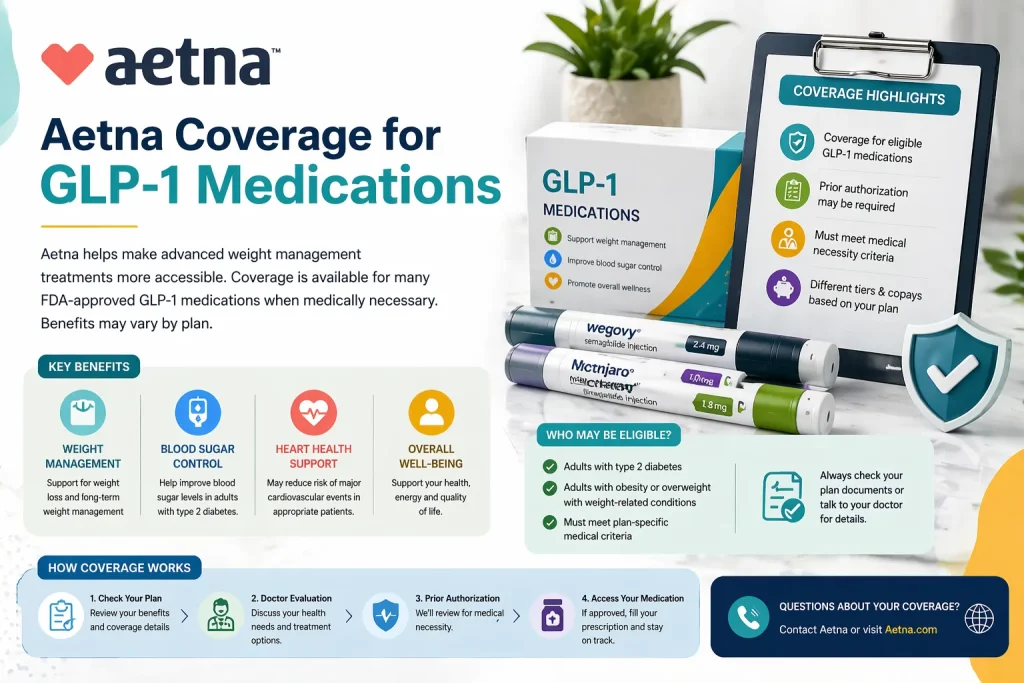
Aetna generally provides coverage for GLP-1 receptor agonists, but approval depends on your specific plan and medical necessity. Most plans require prior authorization, meaning your healthcare provider must submit documentation showing that the medication is necessary for managing type 2 diabetes or chronic weight issues.
Some plans also use step therapy, asking patients to try other treatments like metformin first before covering GLP-1 drugs. Coverage can vary based on each medication’s formulary status, with preferred drugs often having lower copays or easier approval. In many cases.
It covers both injectable and oral formulations, but costs and coverage rules differ between them. Patients may also need to meet specific BMI or health risk criteria for weight management approvals. Understanding these requirements ahead of time can help avoid claim denials and ensure timely access to therapy. Coordination between your doctor and Aetna is key, as well as keeping records of your medical history and previous treatments.
Additionally, some pharmaceutical companies offer copay assistance programs that can help reduce out-of-pocket expenses. Knowing your plan’s details and following the proper approval process makes it easier to access GLP-1 medications and maintain consistent treatment.
Aetna, like most major health insurers, may cover GLP-1 medications under certain conditions. Coverage depends on the plan type, prescription guidelines, and medical necessity. Key points include:
- Prior Authorization: Many GLP-1 drugs require prior authorization to ensure appropriate medical use.
- Step Therapy: Some plans ask patients to try other medications first, such as metformin or other diabetes treatments.
- Formulary Status: Coverage and copay amounts depend on whether the GLP-1 drug is on its formulary (preferred drug list).
- Medical Indications: Coverage is usually approved for type 2 diabetes and chronic weight management in patients meeting BMI or health risk criteria.
4. Tips to Maximize Coverage
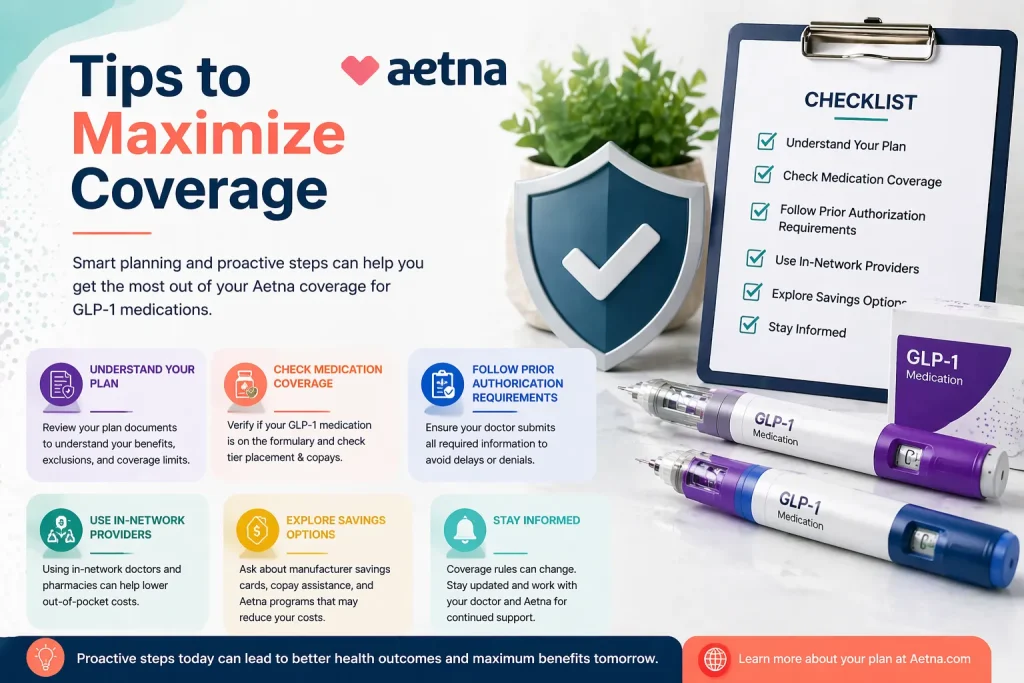
To make the most of Aetna coverage for GLP-1 medications, start by reviewing your plan details carefully, including copays, prior authorization requirements, and formulary restrictions. Work closely with your healthcare provider to submit thorough documentation demonstrating medical necessity, such as blood sugar records, BMI, and previous treatment history.
If your plan requires step therapy, ask your provider to outline alternative medications you’ve tried and why they were insufficient. Choosing preferred drugs listed on Aetna’s formulary can reduce out-of-pocket costs and speed up approval. Patients should also explore manufacturer savings programs or copay cards, which can significantly lower monthly expenses.
Keeping a record of all approvals and communications with your insurer can help address any claim issues quickly. Finally, maintaining ongoing medical supervision and adherence to prescribed treatment not only ensures better health outcomes but also strengthens future coverage approvals for GLP-1 therapy.
· Check Your Plan
Always review your Aetna benefits or call customer service to confirm if your GLP-1 medication is covered.
· Get Prior Authorization
Ask your healthcare provider to submit prior authorization to avoid claim denials.
· Use Preferred Formulations
If your plan favors a particular GLP-1 drug, choosing that option may reduce out-of-pocket costs.
· Explore Savings Programs
Pharmaceutical manufacturers often provide copay cards or savings programs to lower monthly expenses.
· Document Medical Necessity
Maintaining records of BMI, blood glucose levels, and treatment history can improve the chances of coverage approval.
5. Safety and Side Effects
GLP-1 receptor agonists are generally well-tolerated, but like all medications, they can cause side effects. The most common reactions are gastrointestinal, including nausea, vomiting, diarrhea, constipation, and occasional stomach discomfort. These symptoms are often mild and tend to improve over time as the body adjusts to the medication.
Some patients may experience injection site reactions with injectable formulations, although these are typically minor. Rare but serious complications, such as pancreatitis or gallbladder issues, can occur, so it’s important to report any persistent or severe symptoms to a healthcare provider promptly.
Because GLP-1 RAs influence blood sugar and digestive processes, they should always be used under medical supervision, with ongoing monitoring to ensure safety and optimal effectiveness. Combining these medications with lifestyle changes, such as diet and exercise, can also help minimize side effects while enhancing therapeutic benefits.
GLP-1 receptor agonists are generally well-tolerated but can cause side effects:
- Nausea and vomiting
- Diarrhea or constipation
- Gastrointestinal discomfort
- Occasional injection site reactions
Most side effects are mild and decrease over time. Serious adverse events are rare but should be discussed with a healthcare provider.
6. Why Understanding Coverage Matters
Understanding how it covers GLP-1 medications is essential for both patients and healthcare providers. For patients, knowing the coverage requirements helps set realistic expectations about costs, prior authorization, and treatment timelines, reducing the stress of unexpected denials or out-of-pocket expenses.
It also allows individuals to plan, gather necessary medical documentation, and coordinate with their healthcare team to meet eligibility criteria. For providers, awareness of coverage rules ensures that prescriptions are submitted correctly, supporting faster approval and minimizing administrative delays. In addition, a clear understanding helps patients maximize the benefits of GLP-1 therapy for blood sugar management, weight loss, and overall metabolic health.
By being informed about insurance policies, formulary preferences, and cost-saving programs, patients and providers can work together to make treatment more accessible, safe, and effective, ultimately improving health outcomes and long-term adherence to therapy.
Knowing how Aetna covers GLP-1 medications helps patients and providers:
- Set Realistic Expectations: Understand costs, coverage, and approval timelines.
- Avoid Denials: Proper documentation and prior authorization reduce delays.
- Optimize Health Outcomes: Timely access to GLP-1 therapy supports diabetes management and weight loss.
7. Frequently Asked Questions (FAQs)
1. Does Aetna cover GLP-1 medications?
Yes, Aetna generally cover GLP-1 receptor agonists, but coverage depends on your specific plan and medical necessity. Most plans require prior authorization to confirm that the medication is appropriate for your condition. Step therapy may also be required, meaning other diabetes or weight management treatments might need to be tried first. Coverage can differ based on the drug’s formulary status, and costs may vary. Working closely with your healthcare provider ensures proper documentation for approval and reduces delays in access to therapy.
2. Are GLP-1 medications covered for weight loss?
Yes, Aetna may cover GLP-1 medications for chronic weight management, but patients must meet certain eligibility criteria. These usually include a minimum BMI threshold or the presence of obesity-related health risks, such as high blood pressure or diabetes.
Prior authorization is typically required to demonstrate medical necessity. Documenting lifestyle interventions, previous weight loss attempts, and comorbidities can help support coverage approval. Coverage may vary between injectable and oral formulations, so checking your specific plan is essential.
3. What types of GLP-1 medications does Aetna cover?
Aetna’s coverage can include both injectable (e.g., Ozempic®, Wegovy®) and oral formulations (e.g., Rybelsus®). However, the preferred drug list or formulary may differ, affecting copays and ease of approval.
Some plans favor certain medications over others due to cost-effectiveness or clinical guidelines. Your provider can help determine which formulation is covered and meets your health needs while minimizing out-of-pocket expenses.
4. Do I need prior authorization for GLP-1 therapy?
Yes, most Aetna plans require prior authorization before covering GLP-1 medications. This process ensures that the drug is medically necessary and appropriate for your condition. Your healthcare provider must submit relevant medical records, including blood glucose levels, BMI, and previous treatment history.
Prior authorization helps prevent claim denials and ensures timely access to therapy. Approval times can vary, so early submission is recommended.
5. Can GLP-1 medications cause side effects?
Like all medications, GLP-1 receptor agonists may cause side effects, most commonly gastrointestinal issues such as nausea, vomiting, diarrhea, constipation, and stomach discomfort. Injection site reactions can also occur with injectable formulations.
Most side effects are mild and tend to improve as your body adjusts. Rare but serious complications like pancreatitis or gallbladder problems may occur, so it is important to report any persistent or severe symptoms to your healthcare provider.
6. Are there alternatives if my plan denies GLP-1 coverage?
If your claim is denied, your provider may consider alternative medications or treatment strategies. Options can include SGLT2 inhibitors, metformin, or lifestyle interventions such as diet and exercise programs.
You can also appeal the denial by providing additional medical documentation or requesting a coverage review. Manufacturer assistance programs or copay cards may also help make GLP-1 therapy more accessible.
7. Who is a good candidate for GLP-1 therapy under Aetna coverage?
Ideal candidates are adults with type 2 diabetes, obesity, or being overweight with related health risks such as high blood pressure or heart disease. GLP-1 therapy should be used alongside lifestyle interventions like diet and exercise.
Your healthcare provider will assess your medical history, previous treatments, and current health status to determine eligibility and ensure the therapy is both safe and effective.
8. Conclusion
GLP-1 receptor agonists are an important advancement in the treatment of type 2 diabetes and chronic weight management, offering benefits that extend beyond blood sugar control. Medications like semaglutide provide a combination of insulin regulation, appetite suppression, and slower gastric emptying, making them effective tools for improving metabolic health.
Understanding how Aetna covers these medications is crucial for patients to access therapy without unnecessary delays or financial burden. Patients should check Aetna’s prior authorization requirements, step therapy rules, and formulary preferences, as these factors can significantly influence coverage. Working closely with your healthcare provider and Aetna representatives can help streamline the process and ensure timely access to treatment.
Maximizing Aetna coverage involves reviewing plan details, documenting medical necessity, and exploring manufacturer savings programs or copay assistance offered through Aetna. Awareness of potential side effects, ongoing medical supervision, and adherence to treatment plans ensure safety and effectiveness. By taking a proactive approach with Aetna, patients can receive the medications they need while minimizing costs and administrative hurdles.
Ultimately, combining GLP-1 therapy with lifestyle changes and proper insurance navigation through Aetna supports better health outcomes, sustainable weight loss, and improved quality of life for individuals managing diabetes and obesity.