Most people are aware that olive oil is good for you, but they don’t fully grasp the extent of its health benefits — or how it interacts with one of the body’s most critical hormones for controlling hunger.
- Olive oil is one of the most potent anti-inflammatory foods available — its active component, oleocanthal, functions in a similar way to ibuprofen at the cellular level.
- An anti-inflammatory diet emphasizes whole, unprocessed foods such as vegetables, legumes, lean proteins, and healthy fats, with olive oil as a key ingredient.
- GLP-1, a hormone naturally produced in the gut, regulates hunger and blood sugar — and the monounsaturated fats in olive oil directly aid its function.
- All olive oils are not created equal — extra virgin olive oil contains significantly more beneficial compounds than refined versions, which is important for inflammation.
- Continue reading to learn exactly how much olive oil to use per meal to maximize GLP-1 response and get the most out of your anti-inflammatory diet.
Olive Oil and GLP-1: A Potent Combination for Combating Inflammation
Many of the health issues we face today, such as weight gain, insulin resistance, digestive problems, and fatigue, are caused by chronic inflammation. The food you consume can either aggravate this inflammation or help to alleviate it. One of the most effective ways to combat inflammation is through an anti-inflammatory diet that includes extra virgin olive oil. When you learn about how this oil interacts with GLP-1, a hormone that your gut naturally produces to control hunger, the benefits of this diet become even more apparent.
If you’re trying to make healthier eating choices, whether you’re on a GLP-1 medication or just trying to eat in a way that promotes long-term health, knowing the science behind anti-inflammatory nutrition can really help. This article will explain exactly how olive oil works in your body, why it supports GLP-1 activity, and how to plan your meals around it to get the most benefits.
Understanding the Anti-Inflammatory Diet
Contrary to what the name might suggest, an anti-inflammatory diet is not a strict dietary regimen. Instead, it’s a style of eating that regularly includes foods that have been shown to decrease inflammation in the body, while avoiding foods that are known to increase inflammation. You can think of it as casting a vote with every meal: each one either supports or fights against inflammation in your body.
What Foods Cause Inflammation and What Foods Can Help Prevent It
Refined carbs, added sugars, trans fats, and ultra-processed foods are the main dietary causes of chronic inflammation. They cause your blood sugar to spike quickly, trigger oxidative stress, and promote the release of pro-inflammatory cytokines. On the other hand, whole foods that are rich in antioxidants, fiber, and healthy fats — like olive oil, leafy greens, berries, fatty fish, legumes, and spices like turmeric — actively work to suppress those same inflammatory pathways.
Understanding the Impact of Chronic Inflammation on Weight and Digestion
Chronic inflammation that is mild in nature is not just responsible for causing joint pain. It also disrupts insulin signaling, thereby making it easier for the body to store fat and harder to lose it. Moreover, it interferes with the gut microbiome, thereby impairing the absorption of nutrients and the production of hormones, including GLP-1. Over time, it also slows down digestion and increases cortisol levels, thereby driving cravings for foods that are high in sugar and fat. Addressing inflammation through diet is not just about feeling better. It is a way to directly improve metabolic health and manage weight.
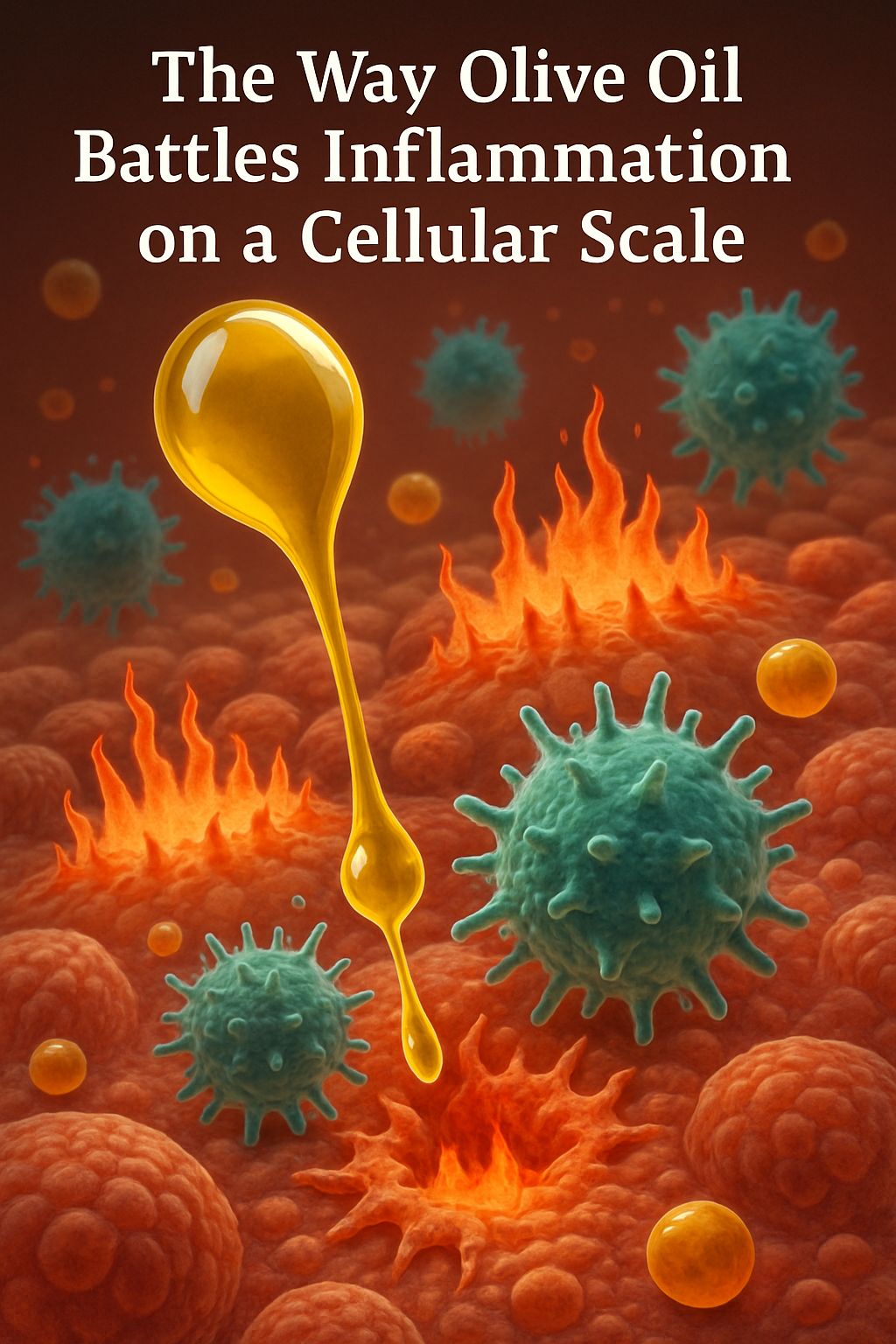
The Way Olive Oil Battles Inflammation on a Cellular Scale
Extra virgin olive oil isn’t just a fat that hangs around in your food. It’s a proactive combatant against inflammation on a cellular level, something that very few foods can boast.
Oleocanthal: The Compound That Mimics Ibuprofen
Oleocanthal is a naturally occurring polyphenol found in extra virgin olive oil. Its remarkable property is that it inhibits the same enzymes — COX-1 and COX-2 — that over-the-counter non-steroidal anti-inflammatory drugs like ibuprofen target. That signature throat-tickling sensation you get from high-quality extra virgin olive oil? That’s oleocanthal activating the same receptors in your throat that ibuprofen does. The concentration of oleocanthal varies depending on olive variety and harvest time, but a high-quality extra virgin olive oil consumed regularly delivers a meaningful cumulative anti-inflammatory effect.
How Monounsaturated Fats Reduce Inflammation
Most of the fat in olive oil is oleic acid, a monounsaturated fatty acid that comprises about 55 to 83 percent of the oil’s fat content. Studies have shown that oleic acid can lower levels of C-reactive protein (CRP) and other inflammatory markers in the blood. Unlike saturated fats, which can set off inflammation, oleic acid helps keep cell membranes healthy and regulates the immune system without causing unnecessary inflammation.
Extra Virgin or Refined Olive Oil: Which One Is Better?
It’s important to understand the difference between these two. Extra virgin olive oil (EVOO) is made by cold-pressing the olives, which means no heat or chemicals are used in the process. This keeps all the polyphenols, including oleocanthal, oleuropein, and hydroxytyrosol, intact. Refined olive oil, on the other hand, is made using high heat which gets rid of most of these bioactive compounds. So, while the fat content might be similar, the anti-inflammatory benefits are not. If you’re looking for the nutritional benefits, always go for extra virgin. For further guidance on nutritional supplements, check out this comprehensive guide.
Understanding GLP-1 and Its Role in Healthy Eating
GLP-1, or glucagon-like peptide-1, is an incretin hormone that’s produced by the L-cells in your small intestine and colon when you eat. When GLP-1 is released, it triggers the pancreas to produce insulin, signals to the brain that you’re full, and slows down the speed at which food leaves your stomach. All these actions help control your blood sugar levels and naturally decrease the amount of food you eat.
GLP-1’s Role Outside of Medication: Drugs like semaglutide (Ozempic, Wegovy) and liraglutide (Saxenda) that are GLP-1 receptor agonists work by artificially mimicking this hormone. However, you can also encourage your body to produce more GLP-1 naturally by making certain dietary choices. These include consuming the healthy fats in olive oil, eating fiber-rich vegetables, and enjoying fermented foods that promote a healthy gut microbiome.
GLP-1’s Impact on Hunger and Blood Sugar
GLP-1 is released after a meal, and it slows down gastric emptying. This means that food stays in your stomach for a longer period of time, which helps you feel full for longer. At the same time, it sends signals to the hypothalamus in the brain to decrease appetite and triggers the pancreas to release insulin in a glucose-dependent manner. This helps prevent spikes in blood sugar without causing hypoglycemia. That’s why foods that support GLP-1 activity can make managing blood sugar noticeably easier.
Bad food choices, especially those rich in refined sugar and processed fats, can over time dull the body’s GLP-1 response, making it harder to manage hunger and blood sugar more unpredictable. One of the most practical and underused tools in metabolic health is restoring that response through changes in diet.
What Foods Naturally Stimulate GLP-1 Release?
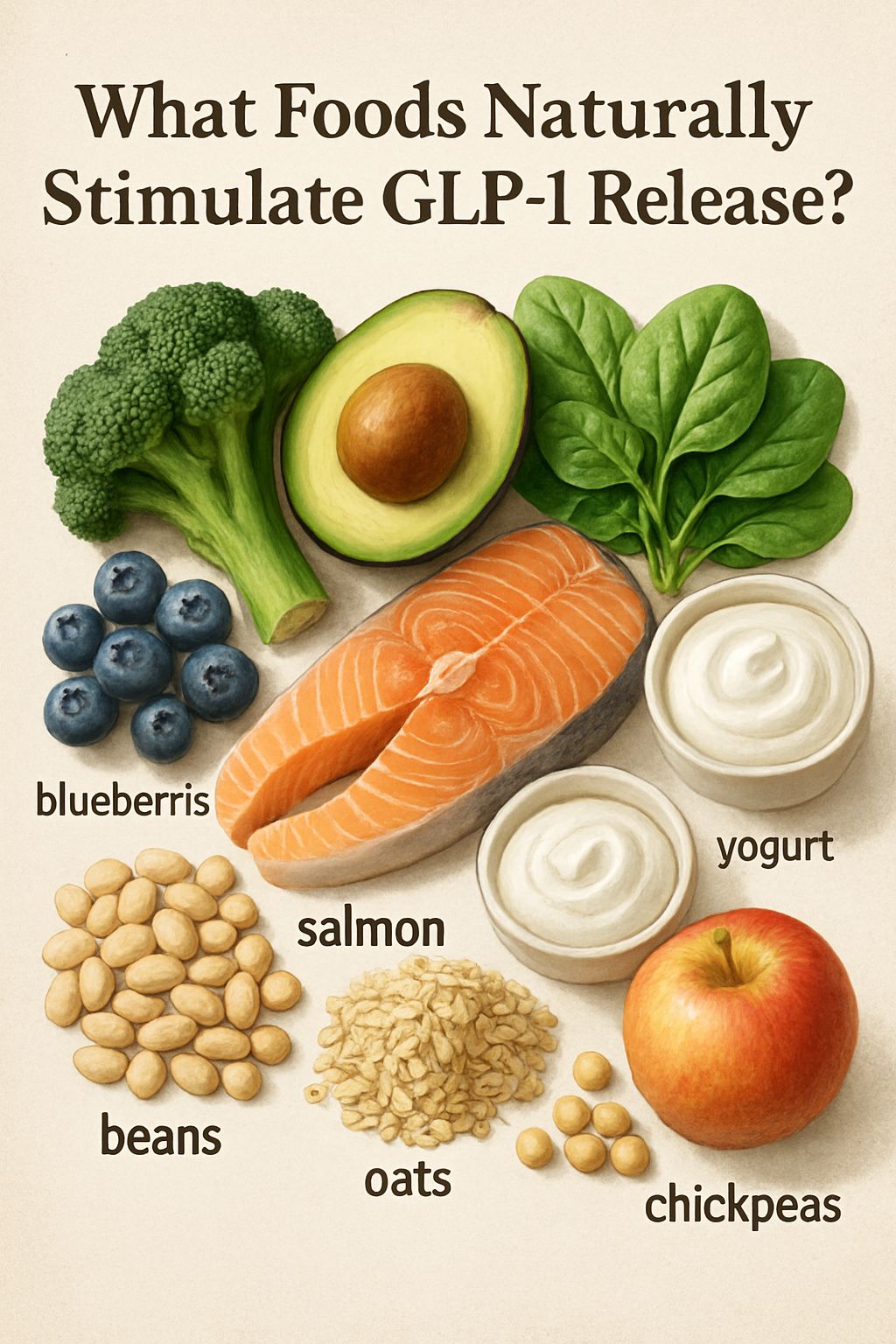
Some foods are better at stimulating GLP-1 than others. The foods that do this best are high in fiber, protein, and healthy fats. These types of foods slow digestion, increase the amount of time food spends in contact with intestinal L-cells, and create a stronger hormone response. Some examples of these foods include:
- Leafy greens and cruciferous vegetables — spinach, kale, broccoli, and Brussels sprouts are high in fiber and trigger GLP-1 release in the gut
- Legumes — lentils, chickpeas, and black beans provide slow-digesting carbohydrates and fiber that sustain GLP-1 secretion
- Lean proteins — eggs, chicken, fish, and Greek yogurt stimulate GLP-1 and slow gastric emptying
- Healthy fats — particularly monounsaturated fats like those in extra virgin olive oil, which directly stimulate intestinal L-cells
- Fermented foods — yogurt, kefir, sauerkraut, and kimchi support the gut microbiome, which plays a direct role in GLP-1 production
- High-fiber whole grains — oats and barley slow digestion and support a sustained GLP-1 response
The overlap between GLP-1-supporting foods and anti-inflammatory foods is not a coincidence — both categories center on whole, minimally processed ingredients that work with your body’s natural regulatory systems rather than against them.
The Direct Impact of Olive Oil on GLP-1 Activity
Olive oil doesn’t just passively reduce inflammation – it actively interacts with the gut hormone system to help manage hunger and stabilize blood sugar. The relationship between extra virgin olive oil and GLP-1 is one of the most practical nutritional relationships you can incorporate into your everyday meals.
Monounsaturated Fats in Olive Oil Can Make You Feel Fuller Longer
Olive oil contains monounsaturated fats, primarily oleic acid. When you consume olive oil with your meal, it slows down the rate at which your stomach empties its contents into the small intestine. This gives your intestinal L-cells more time to detect nutrients and release GLP-1. Instead of releasing GLP-1 in a single short burst, it is released in sustained waves. As a result, you feel fuller longer and you are less likely to experience energy crashes between meals.
The effects are not minor. Fats are the most effective macronutrients for triggering the release of GLP-1 from the small intestine. Especially, monounsaturated fats have been proven to create a stronger incretin response than saturated fats. One of the easiest ways to feel fuller longer without adding refined calories or sugar is to drizzle extra virgin olive oil over your food.
- Top your roasted veggies with a tablespoon of EVOO before you eat to mix fiber and fat for a long-lasting GLP-1 reaction
- Make olive oil the base of your salad dressings, coupled with leafy greens and lean protein for a well-rounded meal that boosts GLP-1
- Stir olive oil into soups or grain bowls right before you dig in to slow down digestion without dramatically changing the taste
- Swap butter for EVOO when you dip your whole grain bread to replace saturated fat with monounsaturated fat at the table
These habits add up over time. Consistently pairing olive oil with foods that are rich in fiber and packed with protein forms a meal structure that naturally supports the hormone environment your body needs to control hunger effectively.
How Olive Oil’s Anti-Inflammatory Properties Help Your Gut
- Oleocanthal decreases inflammation in the gut lining, which safeguards the intestinal cells that make GLP-1
- Extra virgin olive oil (EVOO) polyphenols act as prebiotics, nurturing beneficial gut bacteria that directly impact GLP-1 secretion
- Hydroxytyrosol, another EVOO polyphenol, has been found to decrease oxidative stress in intestinal tissue
- Oleuropein supports the gut microbiome by selectively inhibiting harmful bacteria while promoting beneficial strains
Having a healthy gut lining is crucial for proper GLP-1 production. When the gut is inflamed — due to a bad diet, stress, or eating processed foods — the L-cells that make GLP-1 become less responsive and less productive. Extra virgin olive oil tackles this at the source by decreasing inflammation in the intestines and supporting the microbial environment that these cells rely on.
The connection with the gut microbiome is especially important. Studies have found that the polyphenols in extra virgin olive oil act as prebiotics, nourishing beneficial bacteria strains like Lactobacillus and Bifidobacterium. These bacteria generate short-chain fatty acids that further spur the release of GLP-1 — creating a reinforcing cycle where consuming olive oil enhances the gut environment, which in turn enhances hormone signaling, which in turn enhances appetite control.
If you’re taking GLP-1 medication, this is particularly important for you. A healthier gut lining means the medication has a better internal environment to work in, and the natural GLP-1 support from olive oil can work with the medication instead of working separately from it.
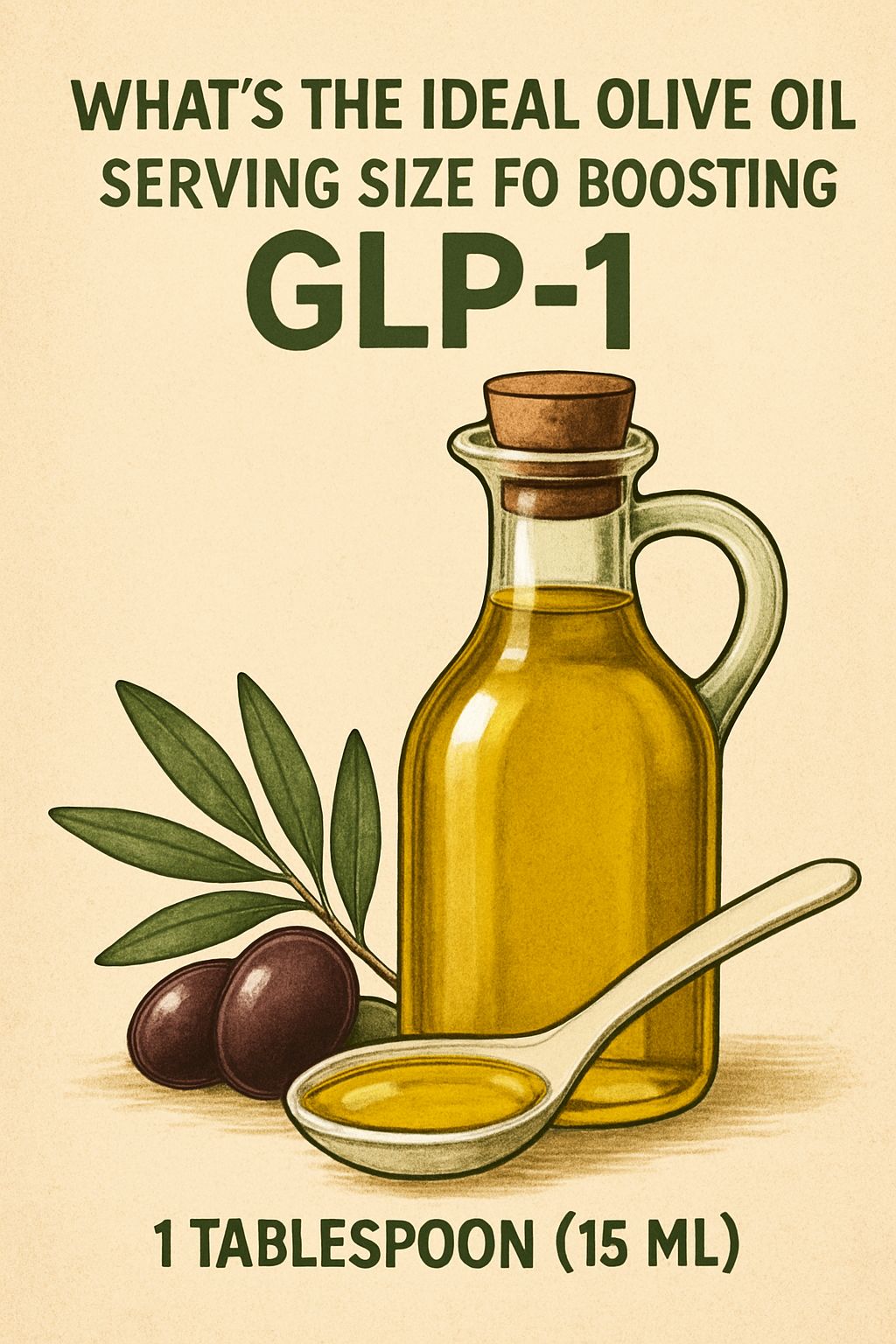
What’s the Ideal Olive Oil Serving Size for Boosting GLP-1?
If you want to take advantage of olive oil’s anti-inflammatory properties and GLP-1 support, aim for 1 to 2 tablespoons of extra virgin olive oil per meal. This serving size provides enough oleic acid to slow down gastric emptying and stimulate L-cell activity effectively without adding too many calories that could interfere with your dietary goals. For a more consistent and long-lasting effect on satiety hormones throughout the day, it’s better to use olive oil in two to three meals per day instead of consuming it in one large serving.
It’s not just about how much you eat, but what you eat. When shopping for extra virgin olive oil, try to find one that has a harvest date on the label instead of just an expiration date. This is because fresher oil has higher levels of oleocanthal and other polyphenols. If you can find an oil that is labeled as single-origin or from a specific region, like Sicilian or Greek EVOO, it’s even better. These oils are usually more traceable and less likely to be mixed with refined oils. Unfortunately, this is a common practice in the industry, and most consumers aren’t aware of it.
Top Anti-Inflammatory Foods to Match With Olive Oil on a GLP-1 Regimen
Olive oil is most effective when incorporated into a comprehensive anti-inflammatory diet. Combining it with the appropriate foods not only enhances its anti-inflammatory properties but also boosts its capacity to aid GLP-1 activity. This results in truly therapeutic meals in terms of their nutritional value.
Leafy Greens and Fiber-Rich Vegetables
Vegetables such as spinach, kale, arugula, Swiss chard, broccoli, and Brussels sprouts are packed with soluble and insoluble fiber, which not only slows digestion but also feeds the gut bacteria that produce GLP-1. These veggies are also loaded with magnesium, folate, and vitamins C and K, all of which support cellular repair and help reduce the activity of inflammatory cytokines. To get the most out of these vegetables, toss them in extra virgin olive oil before roasting or use EVOO as a base for your dressing. This will not only increase their bioavailability but also boost their anti-inflammatory potential.
Lean Proteins That Maintain Muscle While Shedding Pounds
Protein is a direct stimulant for GLP-1 — it activates the hormone’s release from intestinal L-cells and also encourages the release of another hormone that makes you feel full, peptide YY. On a diet that aligns with GLP-1, a reduced appetite from medication can sometimes mean less protein intake, which speeds up muscle loss. Prioritizing lean proteins like grilled salmon, poached chicken breast, eggs, lentils, and Greek yogurt at each meal solves both problems at the same time — it maintains muscle mass while boosting the body’s natural fullness signals.
Healthy Fats Beyond Olive Oil: Avocados, Nuts, and Seeds
Avocados are a rich source of oleic acid and provide nearly 10 grams of fiber per fruit, making them one of the most GLP-1-friendly foods available. The combination of fat and fiber in a single food creates a powerful double stimulus for sustained hormone release. Adding half an avocado to a salad dressed with EVOO delivers a significant anti-inflammatory and satiety benefit in one simple addition.
Healthy fats also include walnuts, almonds, flaxseeds, and chia seeds. Walnuts are especially beneficial because they contain alpha-linolenic acid (ALA), a plant-based omega-3 that helps reduce CRP and other signs of inflammation. Chia seeds and flaxseeds are high in soluble fiber, which turns into a gel in the digestive tract. This slows down gastric emptying and prolongs the activity of GLP-1 after you eat.
Anti-Inflammatory Spices: Turmeric, Ginger, and Cinnamon
These three spices are not only delicious — they also have anti-inflammatory and metabolic benefits that go hand in hand with the effects of olive oil.
- Turmeric — contains curcumin, which inhibits NF-κB, one of the primary molecular switches that activates inflammatory gene expression; pairing it with black pepper increases curcumin absorption by up to 2,000 percent
- Ginger — contains gingerols and shogaols that inhibit COX-2 enzymes and reduce pro-inflammatory prostaglandins; also supports healthy gut motility and reduces nausea associated with GLP-1 medications
- Cinnamon — improves insulin sensitivity and helps stabilize blood sugar after meals, which supports the glucose-regulating function of GLP-1
Incorporating these spices daily is straightforward. Add turmeric and black pepper to olive oil-based dressings, stir ginger into warm teas or grain bowls, and sprinkle cinnamon over oats or yogurt at breakfast. None of these require dramatic dietary changes — just intentional additions to meals you are already preparing. For more information on how to support your health with GLP-1, check out this guide on nutritional supplements and GLP-1.
If you consume these spices regularly with olive oil and fiber-rich whole foods, you will experience a combined anti-inflammatory effect that is much stronger than what any single ingredient can do by itself. Consider them as enhancers for the overall dietary pattern you are creating.
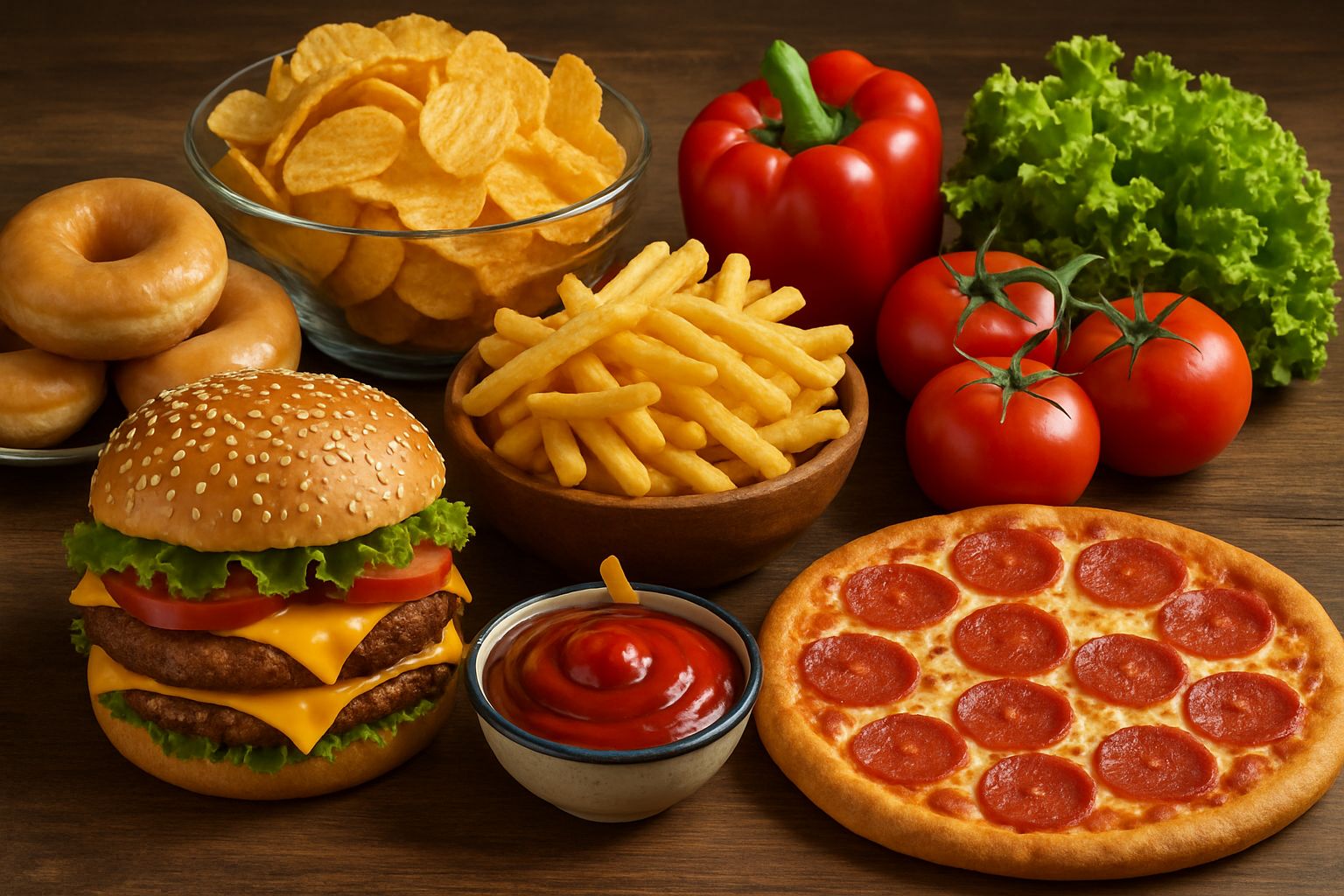
Food Items That Counteract Both GLP-1 Drugs and Anti-Inflammatory Initiatives
While some foods can enhance the anti-inflammatory and GLP-1-boosting aspects of your diet, others can actively counteract them. It’s just as critical to understand which foods to minimize as it is to know which ones to emphasize — especially for anyone trying to control inflammation, blood sugar, or appetite while on a GLP-1 medication.
GLP-1’s Effects are Undermined by Spikes in Blood Sugar from Refined Carbs and Sugar
Processed snack foods, sweetened beverages, sugary cereals, pastries, and white bread cause blood glucose to spike rapidly. This overwhelms the body’s response to insulin and generates oxidative stress, which is a primary driver of inflammation. These foods also digest quickly, meaning nutrients spend less time in contact with intestinal L-cells. This results in a weaker GLP-1 response that doesn’t last as long. Over time, a diet high in refined carbohydrates can cause the gut to become desensitized to GLP-1 triggers, making it more difficult to naturally control hunger.
Deep-Fried Foods and Trans Fats Boost Inflammation Levels
Partially hydrogenated oils and trans fats, which are produced when food is deep-fried, are some of the most inflammation-causing substances in today’s food supply. They increase LDL cholesterol, decrease HDL cholesterol, and directly boost the levels of CRP and interleukin-6 in the bloodstream — these are two of the most commonly tracked inflammation markers in clinical studies.
Foods that are deep-fried are typically high in calories and low in nutritional value, which means they push out the fiber, protein, and healthy fats that your body needs to produce GLP-1 and control inflammation. A single meal that is high in fried food can counteract the effects of feeling full that you’ve been working on by making better food choices.
If you’re taking GLP-1 medication, you should be particularly wary of greasy and fried foods. These types of foods can drastically slow down the process of gastric emptying, which can exacerbate the side effects of GLP-1 medication such as nausea and bloating. What may seem like a manageable diet under normal circumstances can become truly uncomfortable when paired with a medication that is already slowing down digestion.
It’s not about achieving perfection, but rather about making healthier choices consistently. By replacing butter and refined oils with olive oil, fries with roasted vegetables, and white bread with whole grains, you can significantly reduce the inflammatory load of your diet. And the best part? You don’t need to restrict yourself or count calories.
- Choose cauliflower rice or brown rice instead of white rice to lower glycemic load and add fiber
- Opt for roasted nuts or seeds instead of deep-fried snacks, lightly coated in extra virgin olive oil
- Drink sparkling water with citrus rather than sweetened beverages to avoid liquid sugar without losing satisfaction
- Pick whole grain sourdough instead of white bread — the fermentation process decreases its glycemic index and includes gut-friendly organic acids
- Substitute EVOO for margarine and vegetable shortening in any recipe that calls for a neutral fat
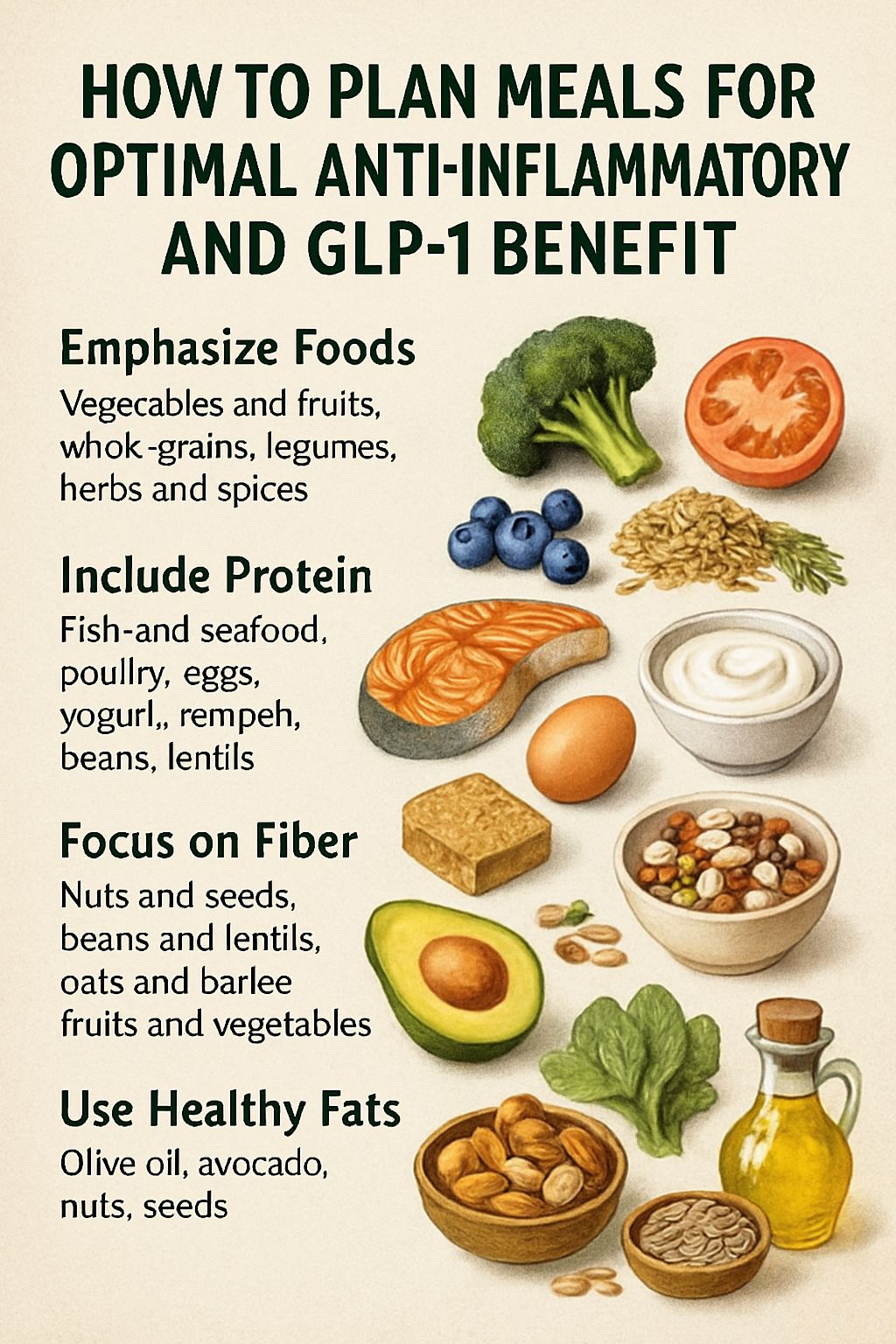
How to Plan Meals for Optimal Anti-Inflammatory and GLP-1 Benefit
Incorporating the right foods into your diet is just one part of the puzzle. The way you plan your meals — how big they are, when you eat them, and how you use olive oil in each one — influences how consistently your body generates GLP-1 and suppresses inflammation throughout the day.
The Benefits of Small, Balanced Meals Over Large Ones
Consuming large meals can put a lot of pressure on the digestive system, cause blood sugar levels to rise and fall dramatically, and can even decrease the effectiveness of GLP-1 by causing the stomach to empty too quickly. Eating smaller, balanced meals throughout the day keeps the gut in a state where it can consistently produce hormones. This means that each meal is a chance to cause a steady, controlled release of GLP-1, rather than causing a single, large spike that is followed by a crash.
When it comes to a balanced anti-inflammatory meal, it’s not complicated. One quarter of your plate should be lean protein, another quarter should be whole grain or fiber-rich starch, and the remaining half should be non-starchy vegetables. To top it all off, add one to two tablespoons of extra virgin olive oil. This combination of fiber, protein, and healthy fat is the best way to consistently stimulate GLP-1 secretion through diet alone.
Using Olive Oil in Dressings, Proteins, and Roasted Vegetables
Extra virgin olive oil can be integrated into almost every part of a meal without requiring a significant change in cooking habits. As a dressing base, combine two tablespoons of EVOO with fresh lemon juice, minced garlic, and a pinch of black pepper — this preserves all the polyphenol content since heat is not involved, and the acidity from lemon enhances the absorption of fat-soluble antioxidants from the vegetables it coats. For lean proteins, brushing salmon or chicken breast with EVOO before baking or grilling adds moisture, flavor, and anti-inflammatory fat without the saturated fat load of butter. With roasted vegetables, toss broccoli, cauliflower, or sweet potato in one tablespoon of EVOO per two cups of vegetables before roasting at 400°F — the fat helps caramelize the natural sugars in the vegetables while increasing the bioavailability of their fat-soluble nutrients like beta-carotene and vitamin K.
|
Olive Oil Application |
Amount |
Best Paired With |
Key Benefit |
|---|---|---|---|
|
Salad dressing base |
2 tbsp |
Leafy greens, lemon, garlic |
Preserves polyphenols, enhances nutrient absorption |
|
Protein baste (baking/grilling) |
1 tbsp |
Salmon, chicken, tofu |
Adds oleic acid, prevents dryness without saturated fat |
|
Roasted vegetables |
1 tbsp per 2 cups |
Broccoli, cauliflower, sweet potato |
Boosts fat-soluble nutrient absorption, supports GLP-1 |
|
Soup or grain bowl finish |
1 tbsp |
Lentil soup, farro, quinoa |
Slows digestion, extends satiety post-meal |
|
Dipping oil |
1–2 tbsp |
Whole grain sourdough, raw vegetables |
Replaces butter, delivers anti-inflammatory fats |
Meal Timing and Snack Strategies That Support Appetite Control
Eating at consistent times each day helps regulate the body’s circadian-influenced hormone cycles, including GLP-1 secretion patterns. Aim to eat every three to four hours to keep blood sugar stable and maintain a continuous, moderate GLP-1 response. When hunger strikes between meals, reach for snacks that combine protein and healthy fat — a small handful of walnuts with a few olives, celery with almond butter, or a half avocado drizzled lightly with EVOO and sea salt. These combinations slow digestion immediately, prevent blood sugar spikes, and bridge the gap between meals without undermining your anti-inflammatory progress.
Choosing an Anti-Inflammatory Diet With Olive Oil Is One of the Wisest Decisions You Can Make
Pairing extra virgin olive oil with an anti-inflammatory diet offers something unique in the world of nutrition — a plan that is supported by strong scientific evidence, easy to follow, and truly pleasurable to eat. You’re not getting rid of entire food groups or adhering to complex guidelines. You’re making conscious improvements to the foods you already consume, using one of the most thoroughly researched ingredients in nutritional science as your daily mainstay. For more insights on nutritional strategies, check out this case study on nutritional success.
Whether you’re trying to manage inflammation, make better food choices to support your GLP-1 medication, or just trying to eat in a way that will keep you healthy for a long time, the path is the same: whole foods, healthy fats, vegetables rich in fiber, lean proteins, and extra virgin olive oil at the heart of it all. Start with the changes that feel most doable, build consistency, and let the cumulative effects do their job.

Common Questions
Here you’ll find responses to the most often asked questions about incorporating an anti-inflammatory diet with olive oil — whether you’re on a GLP-1 medication, dealing with chronic inflammation, or just want to make healthier food choices on a daily basis.
Do I Need GLP-1 Medication to Follow an Anti-Inflammatory Diet?
Not at all. An anti-inflammatory diet that focuses on extra virgin olive oil, fiber-rich vegetables, lean proteins, and whole foods can work without any medication. GLP-1 is a hormone that your body makes naturally, and these diet strategies are meant to support your body’s natural production — not to artificially supplement it. Many people see big improvements in energy, digestion, weight management, and inflammation markers just from the diet, without ever taking a GLP-1 receptor agonist.
What’s the Right Daily Amount of Olive Oil for an Anti-Inflammatory Diet?
Research has found that consuming two to four tablespoons of extra virgin olive oil each day, spread throughout meals instead of all at once, can provide anti-inflammatory benefits. This amount provides sufficient oleic acid and polyphenols to impact inflammation markers, while still fitting within a balanced daily calorie intake for most individuals. The goal is to consume one to two tablespoons per meal, which is enough to stimulate GLP-1 and slow gastric emptying, without adding too many calories.
Can Olive Oil Affect GLP-1 Medications?
No, extra virgin olive oil does not negatively impact GLP-1 medications. On the contrary, it enhances their effects. GLP-1 medications slow down the emptying of the stomach and decrease appetite, and the monounsaturated fats in olive oil naturally promote these same processes. The anti-inflammatory properties of extra virgin olive oil also promote gut health, which makes the body more receptive to the medication. If you feel nauseous while taking a GLP-1 medication, however, you should consume moderate portions of fat and avoid consuming large amounts of oil at once, as too much fat can exacerbate digestive discomfort in some people.
What Are the Easiest Anti-Inflammatory Changes I Can Make to My Diet?
Some of the most effective changes you can make right away don’t require a complete overhaul of your meal plan. To start, switch out all cooking oils and butter for extra virgin olive oil. Get rid of sugary drinks and replace them with water, herbal tea, or carbonated water with a splash of citrus. Add one to two cups of leafy greens to at least two meals per day. Wherever you can, replace refined grain products with whole grain options.
Just by making these four changes, you can tackle the main dietary causes of inflammation — refined oils, added sugar, low fiber intake, and processed carbohydrates — and lay the groundwork for a diet that boosts GLP-1 activity, promotes gut health, and regulates metabolism all at once. Most people start to feel more energetic and have fewer digestive issues within the first one to two weeks of consistently making these changes.
Can you maintain a healthy weight long-term with an Anti-Inflammatory Diet?
Absolutely — in fact, it’s one of the most sustainable diets out there. Unlike other diets that cut out entire food groups or drastically reduce your calorie intake, an anti-inflammatory diet is based on nutrient-rich whole foods that support a healthy metabolism, balanced hormones, and preserving lean muscle mass over time. It’s not just about sheer willpower; it works by improving your body’s internal regulatory systems — especially insulin sensitivity and GLP-1 activity — which makes controlling your appetite feel more natural and less like a chore.
People are more likely to stick to anti-inflammatory diets in the long run compared to highly restrictive diets. This is primarily because the food is tasty, satisfying, and diverse. The Mediterranean diet, which is the most thoroughly researched version of an anti-inflammatory diet and emphasizes extra virgin olive oil, has been shown to help maintain a healthy weight, protect the heart, and reduce the risk of chronic diseases.
If you’re using GLP-1 medications to manage your weight, an anti-inflammatory diet can give you the nutritional support you need to make the most of your medication. It can also help you maintain your results after you stop taking the medication. A diet that emphasizes whole foods, olive oil, fiber, and lean protein can create a metabolic environment that supports long-term weight stability, not just short-term weight loss.
You didn’t provide any content to rewrite. Please provide the content you want to rewrite.