
Article-At-A-Glance
- GLP-1 medications like Ozempic and Wegovy slow digestion and reduce appetite, making it harder to meet daily protein needs—collagen peptides directly address this gap.
- Collagen peptides provide targeted structural support for muscle, bone, skin, joints, and connective tissue—all areas significantly impacted by rapid GLP-1-driven weight loss.
- Emerging research shows collagen peptides may support DPP-IV inhibition, creating a surprising metabolic link that works in harmony with GLP-1 therapy.
- Not all collagen is created equal—how collagen is digested and broken down into low-molecular-weight peptides determines how much your body can actually use.
- Specialty enzyme blends like Pepzyme AG™ are changing the game for collagen digestion in the GLP-1 era—keep reading to understand why this matters.
GLP-1 Medications Are Changing How Your Body Uses Protein
Millions of people are losing weight faster than ever before—but the way GLP-1 medications drive that weight loss comes with nutritional tradeoffs that most prescribers don’t discuss at the appointment.
GLP-1 receptor agonists like semaglutide (Ozempic, Wegovy) and tirzepatide (Mounjaro, Zepbound) work by mimicking the glucagon-like peptide-1 hormone. They slow gastric emptying, regulate blood sugar, and dramatically suppress appetite. The result is significant caloric restriction—which is exactly the mechanism behind the weight loss. But here’s the problem: when you eat less, you absorb less, and your body still needs protein to function.
Collagen peptides have emerged as one of the most practical nutritional strategies for GLP-1 users. Specialty Enzymes & Probiotics, the company behind Pepzyme AG™, has been researching exactly how enzyme-assisted collagen digestion can support people navigating the metabolic demands of GLP-1 therapy. The intersection of these two fields—GLP-1 pharmacology and collagen nutrition—is where some of the most relevant science is happening right now.
- Lean muscle mass loss accelerates during rapid caloric restriction, particularly without adequate protein intake
- Bone density can decline with significant weight loss, raising long-term structural concerns
- Digestive efficiency changes under GLP-1 medications, altering how nutrients are processed and absorbed
- Skin elasticity and hair strength are commonly compromised as weight drops quickly
- Joint and connective tissue support becomes critical when the body is losing mass at an accelerated rate
What Are Collagen Peptides?
Collagen is the most abundant protein in the human body—it’s the structural backbone of skin, bones, cartilage, tendons, ligaments, and muscle tissue. But intact collagen molecules are large and difficult for the body to absorb directly. The real value comes from what happens after digestion.
How Collagen Breaks Down Into Peptides
When collagen is consumed, digestive enzymes break it down into smaller fragments called peptides. These peptides—particularly low-molecular-weight collagen peptides—are what the body absorbs into the bloodstream and transports to target tissues. The breakdown process is critical. Without effective enzymatic digestion, much of the collagen you consume passes through without delivering meaningful benefit.
Why Low-Molecular-Weight Peptides Matter Most
Low-molecular-weight collagen peptides, typically under 5,000 Daltons, are small enough to pass through the intestinal wall and enter systemic circulation. Once absorbed, they act as biological signals—stimulating fibroblasts to produce new collagen, supporting tissue repair, and delivering amino acids like glycine, proline, and hydroxyproline that are rarely abundant in other dietary proteins. For those interested in peptide-based therapies, it’s worth exploring whether GLP-1 patches work as an alternative.
These peptides don’t just feed structural tissue. Research has identified specific collagen-derived peptides with bioactive properties, including the ability to inhibit DPP-IV—an enzyme involved in blood sugar regulation. This is where the connection to GLP-1 therapy becomes genuinely compelling, and we’ll dig into that mechanism further in this article.
The Difference Between Collagen Protein and Collagen Peptides
Standard collagen protein (like gelatin or unhydrolyzed collagen) requires extensive digestion before any peptides are released. Hydrolyzed collagen peptides have already been enzymatically or acid-processed to pre-break those bonds, delivering smaller, more bioavailable fragments from the start. For GLP-1 users with slowed gastric emptying and reduced digestive capacity, this distinction isn’t minor—it’s the difference between collagen that works and collagen that doesn’t.
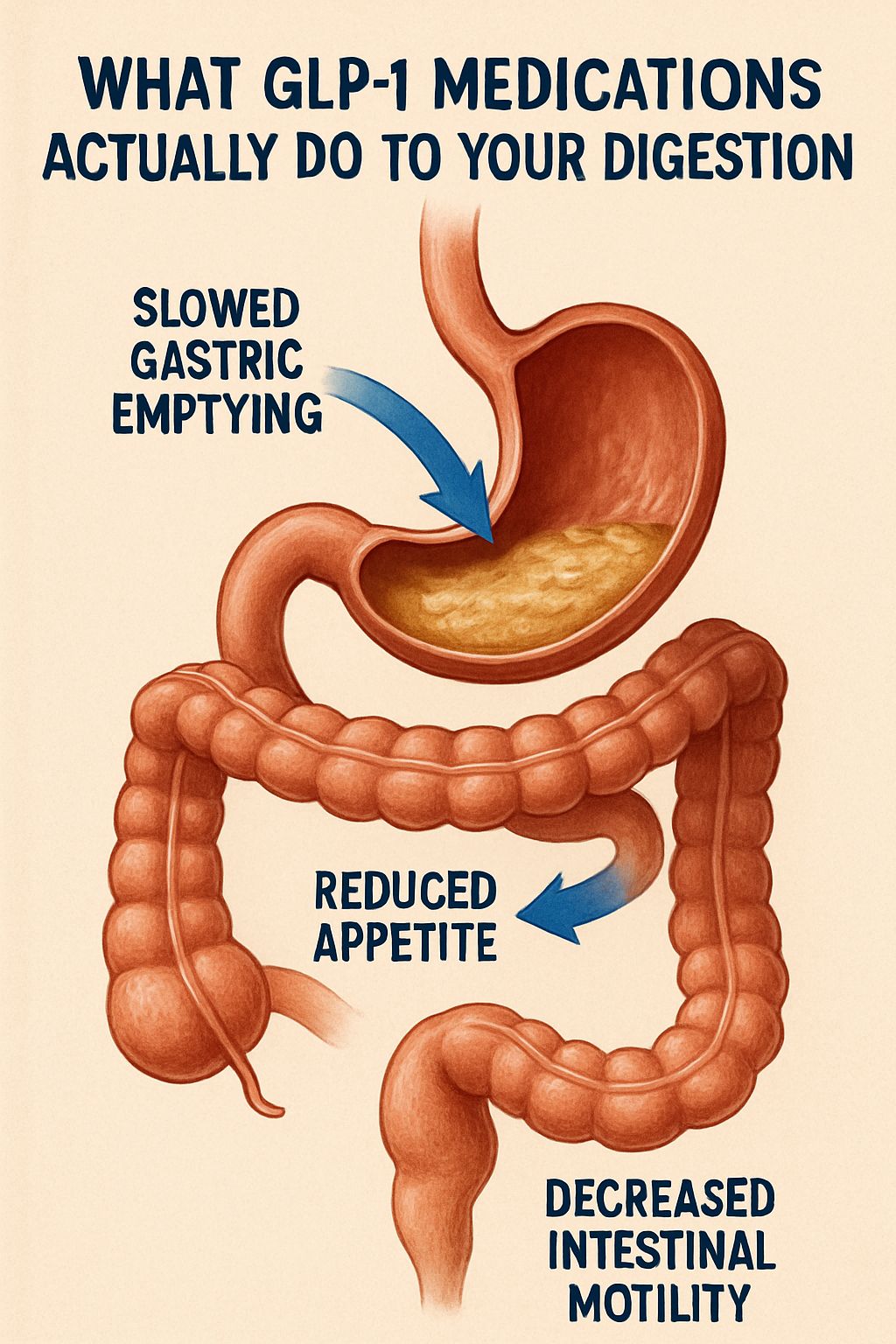
What GLP-1 Medications Actually Do to Your Digestion
Understanding why collagen peptides matter for GLP-1 users starts with understanding what these medications actually do inside the digestive system. GLP-1 receptor agonists don’t just suppress hunger signals in the brain—they have direct mechanical effects on how the gut functions.
The primary digestive mechanism is delayed gastric emptying. Food moves through the stomach significantly more slowly, which is part of how these medications create sustained satiety. But slower movement through the GI tract also means altered enzyme activity, changed bile dynamics, and modified absorption windows for nutrients.
Slowed Gastric Emptying and What It Means for Nutrients
When gastric emptying slows, the timing and efficiency of protein digestion shifts. Proteolytic enzymes that break down proteins—including collagen—operate within specific pH and time windows in the gut. When those windows are disrupted, protein digestion becomes less efficient, meaning less of what you consume gets converted into the absorbable peptides your body actually needs. Learn more about how GLP-1 affects digestion and weight loss.
How Reduced Appetite Affects Daily Protein Intake
The appetite suppression from GLP-1 medications is significant. Many users report eating as little as half their previous food volume—sometimes less. While this drives the weight loss outcome, it also creates a real and persistent protein intake challenge. Meeting even a baseline protein target of 0.8g per kilogram of body weight becomes difficult. For active individuals or those trying to preserve muscle mass, the targets are even higher.
- GLP-1 users often eat 30–50% fewer calories, directly reducing protein consumption
- Nausea and food aversions—common side effects—make high-protein foods like meat and eggs less tolerable
- Protein-rich foods are often more satiating, meaning GLP-1 users may avoid them unintentionally
- Collagen peptides in powder or liquid form offer a low-volume, easy-to-digest protein solution that doesn’t trigger nausea as readily
Collagen peptides fit uniquely well into this challenge. A single serving can deliver 10–20 grams of protein in a small, often flavorless form factor that can be stirred into coffee, water, or a small smoothie—practical for someone with a significantly diminished appetite.
The Real Risks of Muscle and Bone Loss on GLP-1 Therapy
Weight loss always involves some loss of lean tissue—that’s unavoidable. But the speed and magnitude of weight loss seen with GLP-1 medications amplifies this risk considerably. Without deliberate nutritional strategy, a meaningful portion of what’s lost on these medications isn’t just fat.
Why Lean Muscle Mass Drops During Rapid Weight Loss
When caloric intake drops sharply and protein availability is limited, the body enters a catabolic state where it breaks down muscle tissue for energy and amino acids. This is called muscle protein breakdown, and it accelerates during the kind of rapid weight loss GLP-1 medications produce.
Preserving muscle mass during weight loss requires two things: resistance training and adequate protein intake—particularly amino acids like leucine that stimulate muscle protein synthesis. While collagen is not a complete protein and doesn’t directly trigger muscle protein synthesis the way whey does, it provides the glycine, proline, and hydroxyproline building blocks that maintain connective tissue integrity around muscle, and it adds to total daily protein volume in a highly digestible form. For those interested in weight loss, you might wonder how long GLP-1 takes to work for weight loss.
The compounding effect is significant. When muscle integrity declines, metabolic rate drops, functional strength decreases, and the long-term weight management outcomes that GLP-1 medications are designed to support become harder to sustain.
- Glycine – Supports creatine synthesis and connective tissue repair around muscle
- Proline – Essential for collagen structure in tendons and ligaments that support muscle function
- Hydroxyproline – A collagen-specific amino acid that signals tissue repair and stability
- Arginine – Present in collagen and supports growth hormone secretion, which influences muscle maintenance
Together, these amino acids make collagen peptides a meaningful complement to a broader protein strategy—not a replacement for it, but a targeted addition that addresses what other protein sources don’t.
Bone Density Concerns With Long-Term GLP-1 Use
Bone loss is a well-documented concern with significant weight reduction. Bones adapt to the mechanical load placed on them—when body weight drops, that stimulus decreases, and bone remodeling can shift toward net loss over time. This is a particular concern for postmenopausal women and older adults already at elevated risk for osteoporosis.
Key Nutritional Context: Collagen makes up approximately 90% of organic bone matrix. Type I collagen fibers provide the flexible framework that calcium and phosphate minerals crystallize onto. Supporting collagen synthesis through targeted peptide supplementation isn’t just about skin and joints—it directly contributes to the structural integrity of bone tissue. In the context of GLP-1-driven weight loss, maintaining collagen turnover in bone is a foundational protective strategy.
Collagen supplementation, particularly hydrolyzed collagen peptides, has been studied for its role in supporting bone mineral density alongside calcium and vitamin D. The peptides derived from collagen hydrolysate have shown the ability to stimulate osteoblast activity—the cells responsible for building new bone tissue—making them a relevant and practical addition to a GLP-1 user’s supplement routine.
The combination of muscle and bone vulnerability during GLP-1 therapy makes a strong case for proactive collagen peptide supplementation—not as a reactive measure after problems appear, but as a preventive strategy built into the protocol from the start.
How Collagen Peptides Directly Address These Risks
Collagen peptides work on multiple levels to counteract the structural risks that come with GLP-1-driven weight loss. They supply the specific amino acids needed for connective tissue maintenance, support bone matrix integrity, and—when properly digested—deliver bioactive peptides that signal tissue repair at the cellular level. For someone losing weight rapidly on a GLP-1 medication, that targeted support matters in ways that general protein supplementation simply doesn’t replicate.
GLP-1 and Collagen Peptides Work Better Together
The relationship between GLP-1 therapy and collagen peptides isn’t just complementary—it’s synergistic in ways that go deeper than most people realize. On the surface, collagen fills the protein gap created by reduced appetite and altered digestion. But underneath that, there are metabolic interactions worth understanding if you want to get the most out of both.
GLP-1 therapy is fundamentally about improving metabolic function—blood sugar regulation, insulin sensitivity, and body composition. Collagen peptides, it turns out, operate on some of the same metabolic pathways. This isn’t coincidence. It’s biology.
DPP-IV Inhibition: The Surprising Metabolic Link
DPP-IV (dipeptidyl peptidase-IV) is an enzyme that breaks down GLP-1 in the body. In fact, one class of diabetes medications—DPP-IV inhibitors like sitagliptin—works specifically by blocking this enzyme to keep natural GLP-1 active longer. Here’s where it gets interesting: specific collagen-derived peptides have demonstrated DPP-IV inhibitory activity in research settings.
Research using the INFOGEST simulated digestion model studied collagen peptides digested with and without Pepzyme AG™. The resulting peptides were assessed for DPP-IV inhibition—a direct marker of anti-diabetic activity. The findings showed that enzyme-assisted collagen digestion significantly enhanced both the quantity and bioactivity of the peptides released. This means the right collagen supplement, properly digested, may contribute to the same metabolic environment that GLP-1 medications are designed to support.
How Collagen Peptides Support Glycemic Control
Glycine—one of collagen’s most abundant amino acids—has independently shown the ability to stimulate insulin secretion and moderate postprandial blood glucose response. When you consume collagen peptides regularly, you’re delivering meaningful doses of glycine alongside bioactive peptides that may inhibit DPP-IV activity. For GLP-1 users focused on metabolic health, this adds a nutritional layer that reinforces what the medication is already doing.
Skin Elasticity and Hair Strength During Rapid Weight Loss
Rapid weight loss—the kind GLP-1 medications can produce—is one of the most common triggers for loose skin and hair thinning. When fat volume decreases faster than the skin can adapt, elasticity is tested. Hair follicles, under nutritional stress from caloric restriction, enter a resting phase called telogen effluvium, leading to shedding. Collagen peptides directly support the dermal matrix that keeps skin supple, and the amino acid profile supports the keratin structure that hair depends on. Consistent supplementation during active weight loss is protective, not optional.
Joint and Connective Tissue Support While on GLP-1 Medications
As body weight drops, joints experience less mechanical load—which sounds like a benefit, but the connective tissues surrounding those joints still need collagen turnover to stay resilient. Without adequate collagen synthesis, tendons and ligaments can become less elastic and more injury-prone, particularly in users who increase physical activity as part of their GLP-1 weight loss program.
|
Tissue Type |
Collagen’s Role |
GLP-1 Risk Factor |
Collagen Peptide Benefit |
|---|---|---|---|
|
Muscle |
Connective sheath integrity |
Catabolism from caloric deficit |
Amino acid support + tissue repair signaling |
|
Bone |
Organic matrix framework |
Reduced mechanical load stimulus |
Osteoblast stimulation, matrix support |
|
Skin |
Dermal elasticity and structure |
Rapid fat loss, nutritional stress |
Fibroblast stimulation, elasticity maintenance |
|
Joints/Tendons |
Tensile strength and flexibility |
Increased activity during weight loss |
Cartilage support, injury resilience |
|
Hair |
Keratin structural support |
Telogen effluvium from caloric restriction |
Amino acid delivery to follicles |
The breadth of tissue systems that collagen supports makes it uniquely well-suited for GLP-1 users. No other single supplement addresses this many concurrent risks with the same degree of targeted, evidence-backed relevance.
For anyone on a GLP-1 medication who is also exercising—which is strongly recommended to preserve lean mass—collagen peptides taken around training sessions can provide the connective tissue building blocks needed to keep pace with increased physical demands on joints and tendons.
Why Collagen Digestion Is the Key to Getting Results
- Intact collagen molecules are too large to be absorbed directly—digestion into peptides is non-negotiable for bioavailability
- GLP-1 medications slow gastric emptying, which disrupts the normal enzymatic breakdown window for proteins
- Not all hydrolyzed collagen products are equal—molecular weight distribution determines how much is actually absorbed
- Bioactive peptides with DPP-IV inhibitory properties are only released when collagen is properly and completely digested
- Enzyme assistance during digestion can dramatically increase both the quantity and bioactivity of peptides released from collagen
The collagen supplement market has grown dramatically, but most products are designed around normal digestive function. GLP-1 users don’t have normal digestive function—at least not in the conventional sense. Slowed gastric emptying, altered enzyme activity, and reduced food volume all create a digestive environment where collagen utilization is significantly less efficient than the label assumes.
This is the gap that enzyme-assisted collagen digestion is designed to close. By providing enzymatic support alongside collagen—or by choosing a collagen product formulated with enhanced digestive support—GLP-1 users can ensure the peptides they’re consuming are actually being converted into the bioactive fragments their body can use.
Think of it this way: you could have the highest quality collagen on the market, but if your digestive system can’t break it down into low-molecular-weight peptides efficiently, you’re largely wasting your investment. For GLP-1 users specifically, digestion optimization isn’t a bonus feature—it’s the core of the strategy.
How Enzyme Blends Like Pepzyme AG™ Enhance Collagen Breakdown
Pepzyme AG™ is a specialized enzyme blend developed specifically to enhance collagen digestion at the peptide level. In controlled research using the INFOGEST simulated GI digestion model, Pepzyme AG™ demonstrated the ability to increase collagen protein breakdown, enhance the release of low-molecular-weight peptides, and significantly amplify the DPP-IV inhibitory activity of the resulting collagen peptides. It doesn’t change the collagen source or format—it activates the collagen you’re already consuming, making it perform at a measurably higher level. For those interested in related topics, you might want to explore whether GLP-1 causes hair loss.
What the INFOGEST Digestion Model Revealed About Collagen Peptide Release
The INFOGEST model is a standardized, internationally validated method for simulating human gastrointestinal digestion in a research setting. It replicates the oral, gastric, and intestinal phases of digestion with physiologically relevant enzyme concentrations and pH conditions—making it one of the most reliable tools for studying how supplements actually behave inside the body.
When collagen was run through the INFOGEST model with and without Pepzyme AG™, the difference in peptide output was significant. Enzyme-assisted digestion produced a greater proportion of low-molecular-weight peptides and a higher level of DPP-IV inhibitory activity compared to collagen digested without enzymatic support. For GLP-1 users whose digestive efficiency is already compromised, this data points directly to a practical solution: collagen supplementation works best when digestion is actively supported.
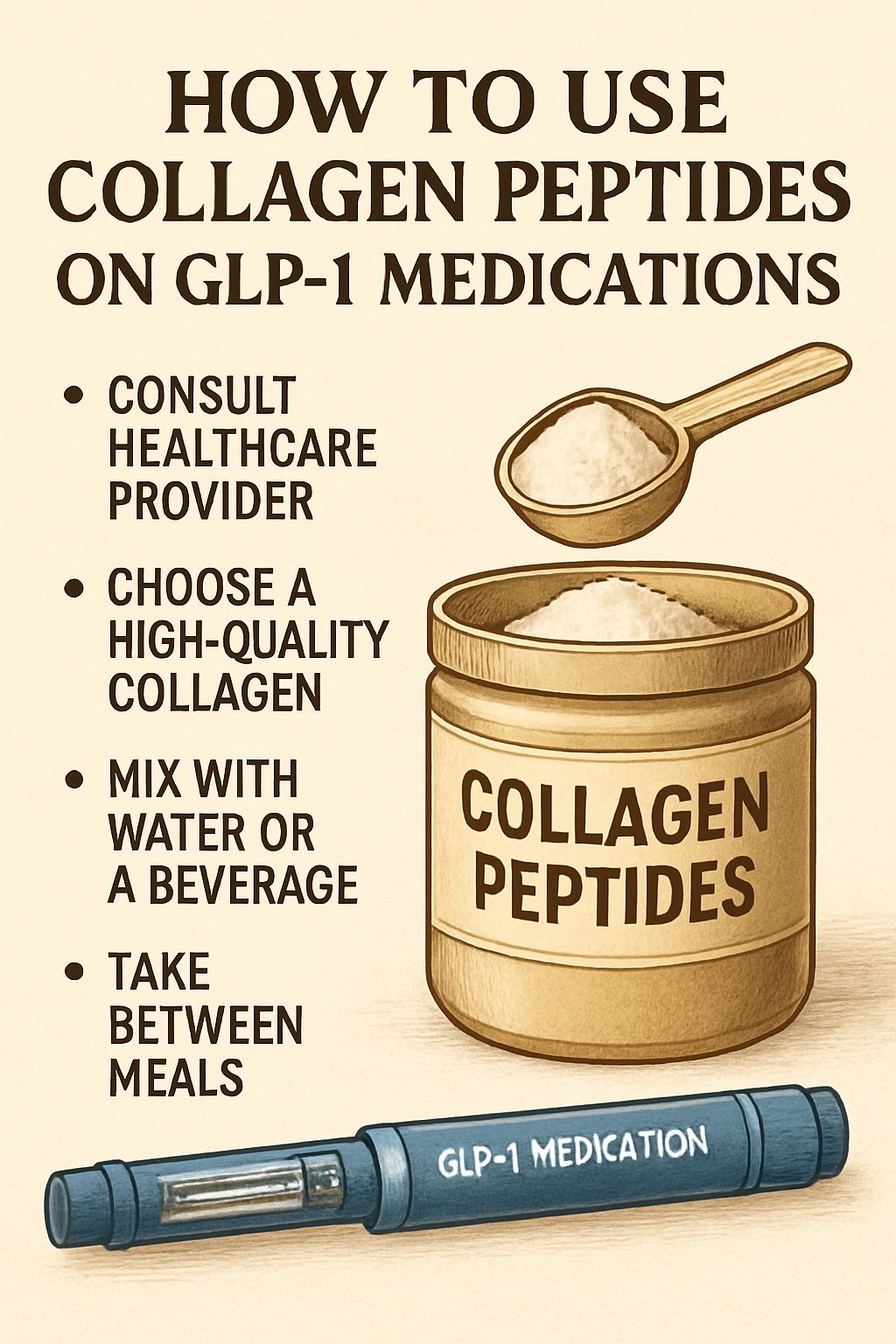
How to Use Collagen Peptides on GLP-1 Medications
Using collagen peptides effectively on GLP-1 therapy isn’t complicated, but it does require some intentionality. The reduced appetite and altered digestion that come with these medications mean you can’t just add collagen to your existing routine and expect the same results a non-GLP-1 user might see. Strategy matters here.
The five practical steps below are built around the realities of GLP-1 physiology—not general collagen recommendations. Each one addresses a specific challenge that GLP-1 users face and gives you a concrete way to work around it.
1. Prioritize Hydrolyzed Collagen Peptides Over Standard Collagen
Hydrolyzed collagen peptides—also called collagen hydrolysate—have already been enzymatically processed to break down the large collagen molecules into smaller, more bioavailable peptide fragments. This pre-digestion step is critical for GLP-1 users because it reduces the digestive burden on a system that’s already working under altered conditions. Standard collagen or gelatin requires significantly more enzymatic processing in the gut to release usable peptides, and with slowed gastric emptying, that processing is less reliable.
When shopping for collagen, look for products that specify hydrolyzed collagen peptides or collagen hydrolysate on the label, with a molecular weight range listed if possible. Products specifying peptide sizes in the range of 2,000–5,000 Daltons offer a practical benchmark for bioavailability. If the label simply says “collagen protein” without specifying hydrolysis, treat it as unhydrolyzed and consider it a lower-priority option for your situation.
2. Time Your Collagen Around Reduced Appetite Windows
GLP-1 medications don’t suppress appetite equally throughout the day. Most users notice that nausea and satiety are strongest in the hours immediately after injection or in the morning, and that there are brief windows—often mid-morning or early afternoon—where food feels more tolerable. These windows are your collagen opportunity. A scoop of hydrolyzed collagen peptides dissolved in warm water, coffee, or a small smoothie delivers meaningful protein with minimal volume and virtually no nausea trigger.
Unlike solid protein sources like chicken or eggs that require significant digestive effort and can feel heavy when appetite is suppressed, collagen peptide powders are nearly tasteless, low in volume, and easy to consume even on difficult nausea days. Timing collagen intake during your most tolerable eating window—rather than forcing it at a set meal time—dramatically improves consistency and long-term adherence. For those interested in weight management, understanding where to inject GLP-1 can be beneficial in optimizing dietary routines alongside collagen consumption.
3. Pair Collagen With Vitamin C for Better Synthesis
Collagen synthesis in the body is enzymatically dependent on vitamin C. Without adequate ascorbic acid, the enzymes that hydroxylate proline and lysine—two of collagen’s core amino acids—cannot function properly, and new collagen cannot be formed. This isn’t a minor detail. It’s a fundamental biochemical requirement. Adding a small amount of vitamin C alongside your collagen peptide serving—either through a supplement or a small glass of citrus juice—meaningfully supports the conversion of those ingested peptides into functional collagen tissue. A dose of 150–250mg of vitamin C taken alongside collagen is sufficient to support this pathway without requiring a high-dose supplement.
4. Look for Digestive Enzyme Support on the Label
Given what GLP-1 medications do to gastric emptying and digestive enzyme activity, choosing a collagen product that includes digestive enzyme support is one of the highest-leverage decisions a GLP-1 user can make. Enzyme blends like Pepzyme AG™ have been specifically studied in the context of collagen digestion—not general protein digestion—and have demonstrated measurable improvements in low-molecular-weight peptide release and DPP-IV inhibitory activity. When evaluating collagen supplements, look for protease enzymes, prolyl endopeptidase activity, or specifically named enzyme complexes designed for collagen breakdown. A product with built-in enzyme support removes a significant variable from the equation, especially when your digestive environment is already altered.
5. Maintain Consistent Daily Use for Cumulative Benefits
Collagen peptide supplementation is not an acute intervention—it’s a cumulative one. The benefits to skin elasticity, bone matrix integrity, joint resilience, and connective tissue repair build over weeks and months of consistent use. Research on collagen supplementation typically shows measurable outcomes at the 8–12 week mark, with more significant structural changes at 16–24 weeks. This timeline matters because GLP-1 users are often in a phase of active, ongoing weight loss for months at a time—which means the window of highest structural vulnerability is also the window where consistent daily collagen use delivers the most protective value.
- Weeks 1–4: Amino acid delivery begins supporting existing connective tissue; digestive tolerance establishes
- Weeks 5–8: Early skin hydration and joint comfort improvements may become noticeable
- Weeks 9–16: Measurable improvements in skin elasticity and connective tissue resilience in research settings
- Weeks 17–24+: Structural benefits to bone matrix, tendon integrity, and long-term tissue remodeling accumulate
The practical takeaway is straightforward: start collagen peptide supplementation at the same time you begin GLP-1 therapy—not after problems appear. Loose skin, joint discomfort, and bone density loss are far easier to prevent than they are to reverse.
Daily dosing between 10–20 grams of hydrolyzed collagen peptides is the range most commonly studied in clinical research. For GLP-1 users managing reduced appetite, splitting this into two smaller servings—one in the morning and one in the afternoon—can make consistency easier without requiring a full 20-gram serving at once.
Collagen Peptides Are a Non-Negotiable Addition to GLP-1 Therapy
GLP-1 medications are genuinely effective—they’re changing outcomes for millions of people managing obesity, type 2 diabetes, and metabolic disease. But they were not designed with connective tissue, bone integrity, or skin elasticity in mind. The nutritional gaps they create are real, they’re predictable, and they’re addressable. Collagen peptides hit every major vulnerability: muscle-adjacent tissue support, bone matrix maintenance, skin elasticity during rapid fat loss, joint and tendon resilience, and—through DPP-IV inhibitory activity—even a degree of metabolic alignment with what the medication itself is doing.
The key is not just taking collagen—it’s taking the right form, digesting it effectively, and doing so consistently throughout the active weight loss phase. For GLP-1 users, that means hydrolyzed collagen peptides, ideally with enzyme support, timed around tolerable eating windows, paired with vitamin C, and maintained daily for months. That’s the protocol that actually works.
Frequently Asked Questions
The most common questions from GLP-1 users about collagen peptides center on safety, dosing, timing, and realistic expectations. Here are direct, evidence-informed answers to the questions that come up most often.
Can You Take Collagen Peptides While on Ozempic or Wegovy?
Short answer: Yes—and for most GLP-1 users, collagen peptides are not just safe to take alongside Ozempic or Wegovy, they’re actively beneficial. Collagen peptides are a food-derived protein supplement with no known pharmacological interactions with semaglutide or any GLP-1 receptor agonist. They do not affect the medication’s mechanism of action, alter its absorption, or interfere with its glycemic effects. From a safety standpoint, collagen peptides are one of the lowest-risk supplements a GLP-1 user can add to their protocol.
The more relevant question isn’t whether you can take collagen peptides on these medications—it’s whether you’re taking the right kind and digesting them effectively. Hydrolyzed collagen peptides are the preferred form for GLP-1 users because they reduce the digestive burden that slowed gastric emptying creates. If you’re currently taking a standard unhydrolyzed collagen or gelatin product, switching to a hydrolyzed version is a meaningful upgrade.
Some GLP-1 users experience mild GI sensitivity, particularly in the early weeks of medication use. Collagen peptides are generally well-tolerated in this context—they’re not high-fat, not high-fiber, and don’t carry the digestive load of solid meat proteins. Starting with a smaller serving (around 5–10 grams) and building to a full dose over the first two weeks is a sensible approach if you’re navigating early GI side effects from the medication.
Always confirm any supplement additions with your prescribing physician or registered dietitian, particularly if you have comorbidities or are managing multiple medications alongside your GLP-1 therapy. While collagen peptides carry minimal interaction risk, individualized guidance remains the gold standard.
How Much Collagen Should You Take Daily on GLP-1 Medications?
The research-supported range for hydrolyzed collagen peptides is 10–20 grams per day. Most clinical studies demonstrating benefits to skin elasticity, bone density markers, and joint comfort have used doses within this range, typically taken once daily or split into two servings. For GLP-1 users managing appetite suppression, splitting into two 5–10 gram servings is often more practical than a single large dose.
Collagen should be viewed as a complement to—not a replacement for—total daily protein intake. GLP-1 users should still aim for overall protein targets appropriate to their body weight and activity level, typically 1.2–1.6 grams per kilogram of body weight for those who are active. Collagen peptides contribute to that total but lack leucine in meaningful quantities, so pairing them with leucine-rich proteins like whey, eggs, or Greek yogurt supports the muscle protein synthesis side of the equation that collagen alone cannot fully address.
Do Collagen Peptides Help With Loose Skin After GLP-1-Driven Weight Loss?
Collagen peptides directly support the dermal matrix—the structural layer beneath the skin surface that determines elasticity and firmness. When consumed consistently during active weight loss, they stimulate fibroblast activity, the cells responsible for producing new collagen and elastin in the skin. While no supplement can fully prevent loose skin from very significant weight loss, research consistently shows that hydrolyzed collagen peptide supplementation improves skin elasticity, hydration, and dermal density—all of which influence how skin adapts to body composition changes. Starting supplementation during weight loss rather than after it provides the most protective benefit.
What Is the Difference Between Collagen Peptides and Regular Protein Supplements for GLP-1 Users?
Whey protein and other complete protein supplements are valuable for muscle protein synthesis because they contain the full spectrum of essential amino acids, particularly leucine, which directly triggers muscle building pathways. Collagen peptides are not a complete protein—they lack tryptophan and are low in leucine—so they don’t replace whey for muscle building purposes. What collagen peptides do that whey cannot is deliver the specific amino acid profile needed for connective tissue, bone matrix, skin, and joint support: glycine, proline, and hydroxyproline at therapeutically meaningful concentrations. For GLP-1 users, the most effective strategy combines both: whey or a complete protein for muscle preservation, and hydrolyzed collagen peptides for structural tissue support across skin, bone, joints, and tendons.
How Long Does It Take to See Results From Collagen Peptides on GLP-1 Therapy?
The timeline for collagen peptide benefits is tissue-dependent. Skin hydration and minor elasticity improvements are often reported within 4–8 weeks of consistent daily use. Joint comfort improvements typically appear in the 8–12 week range. Measurable changes to skin elasticity, bone density markers, and connective tissue resilience generally require 16–24 weeks of sustained supplementation in research studies.
For GLP-1 users, the context matters. If you’re in active, rapid weight loss, collagen peptides are working preventively as much as they are curatively—maintaining tissue integrity during a phase when the structural challenge is ongoing. You may not notice dramatic visible results immediately, but the internal work of maintaining dermal matrix, bone collagen turnover, and joint resilience is happening beneath the surface.